
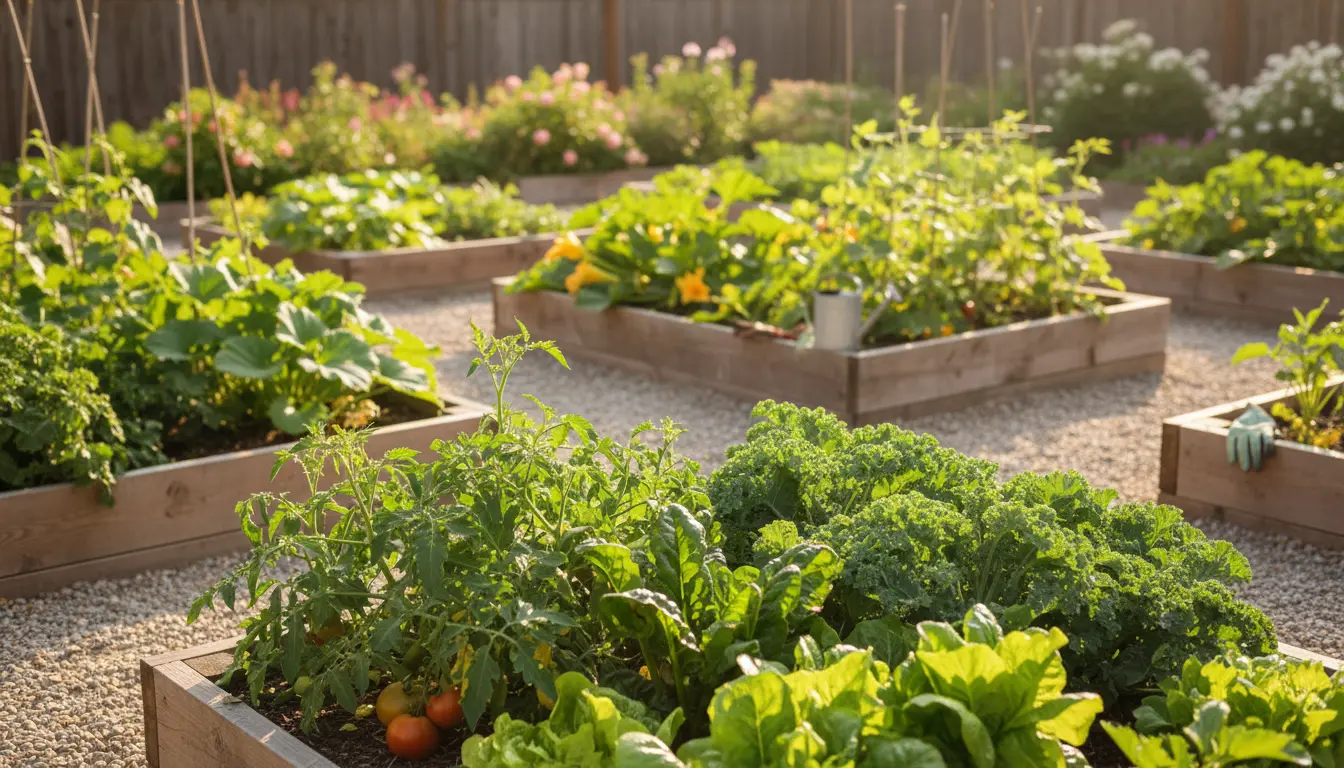
Starting a vegetable garden is a practical way to grow fresh food and gain gardening skills. This guide walks you through planning, planting, and maintaining a productive vegetable garden with clear, actionable steps.
Why Start a Vegetable Garden
A vegetable garden saves money and improves access to fresh produce. It also gives you control over growing methods and reduces food miles.
Even a small balcony or yard can support a productive vegetable garden with the right planning and plant choices.
Planning Your Vegetable Garden
Good planning avoids common beginner mistakes. Focus on location, soil, and what to grow first.
Choose a Location for Your Vegetable Garden
Select a spot with at least 6 hours of direct sunlight for most vegetables. Consider proximity to water and ease of access for daily tasks.
Shade-tolerant vegetables such as leafy greens can be placed where sunlight is limited, but tomatoes and peppers need full sun.
Decide Bed Type and Size
Raised beds are ideal for control of soil quality and drainage. For ground beds, mark rows with paths between for easy access.
- Beginner suggestion: 4×8 foot raised bed for easy management.
- Keep bed widths under 4 feet to avoid stepping on soil.
- Use well-rotted compost mixed with topsoil.
Select Vegetables for Your First Garden
Choose 4–8 easy crops that match your climate and eating habits. Quick wins build confidence and reduce maintenance.
Good beginner choices: lettuce, radishes, green beans, cherry tomatoes, zucchini, and herbs.
Step-by-Step: How to Start a Vegetable Garden
Follow these steps to move from planning to planting. Each step is manageable and repeats seasonally for improvement.
-
Test and Improve Soil
Use a simple soil test kit to check pH and nutrient levels. Most vegetables prefer pH 6.0–7.0.
Add lime to raise pH or sulfur to lower it, and mix in compost for organic matter.
-
Prepare Beds
Loosen the soil 6–12 inches deep for good root growth. Remove large stones and perennial weeds.
Amend with compost at 2–4 inches depth and fork in gently.
-
Choose Planting Dates
Check local frost dates and use seed packets or plant tags for timing. Start seeds indoors for long-season vegetables.
-
Plant with Spacing in Mind
Follow spacing recommendations to avoid overcrowding and reduce disease risk. Thin seedlings if necessary.
-
Mulch and Water
Add 2–3 inches of organic mulch to conserve moisture and suppress weeds. Water deeply and less frequently to encourage strong roots.
Maintenance Tips for Your Vegetable Garden
Routine care keeps plants productive. Small daily or weekly tasks prevent bigger problems later.
Watering and Feeding
Water at the soil level to keep foliage dry and reduce disease. Aim for 1–1.5 inches of water per week depending on weather.
Side-dress with compost or use balanced organic fertilizer during the growing season as needed.
Weeding, Mulching, and Pest Control
Remove weeds regularly by hand or with a hoe to avoid root competition. Maintain mulch to limit weed growth.
Use physical barriers, row covers, and beneficial insects for pest control. Apply organic insecticidal soap only when necessary.
Rotate Crops and Save Seeds
Rotate plant families each season to reduce soil-borne diseases. Keep notes on what you planted and where for planning next year.
Save seeds from open-pollinated varieties to reduce costs and preserve plants suited to your microclimate.
Small Case Study: Front Yard Raised Bed
Maria converted a sunny 4×8 section of front yard into two raised beds. She started with compost-amended soil and planted tomatoes, lettuce, and beans.
By following a simple watering schedule and mulching, Maria harvested continuous lettuce and early tomatoes in her first season. She used companion planting (marigolds near tomatoes) to reduce pests, saving on pesticide costs.
Root vegetables like carrots and beets prefer looser, rock-free soil. Raised beds with deep, loose mix can increase root crop yields by up to 30% compared with compacted ground.
Simple Troubleshooting for Vegetable Garden Problems
Identify common issues quickly: yellowing leaves often indicate nutrient deficiency or overwatering. Holes in leaves suggest insect feeding.
Use a magnifying glass to check for pests and remove by hand where possible. Adjust watering and test soil if plants look weak.
Quick Checklist Before You Start
- Choose a sunny site and measure bed size.
- Test soil and add compost or amendments.
- Select 4–8 easy vegetables for your first season.
- Plan planting dates and spacing from seed packets.
- Set a simple watering and maintenance schedule.
Starting a vegetable garden is an evolving learning process. Keep notes, start small, and expand as you gain confidence. With basic planning and regular care, a vegetable garden can provide fresh food and a satisfying hobby for years.