
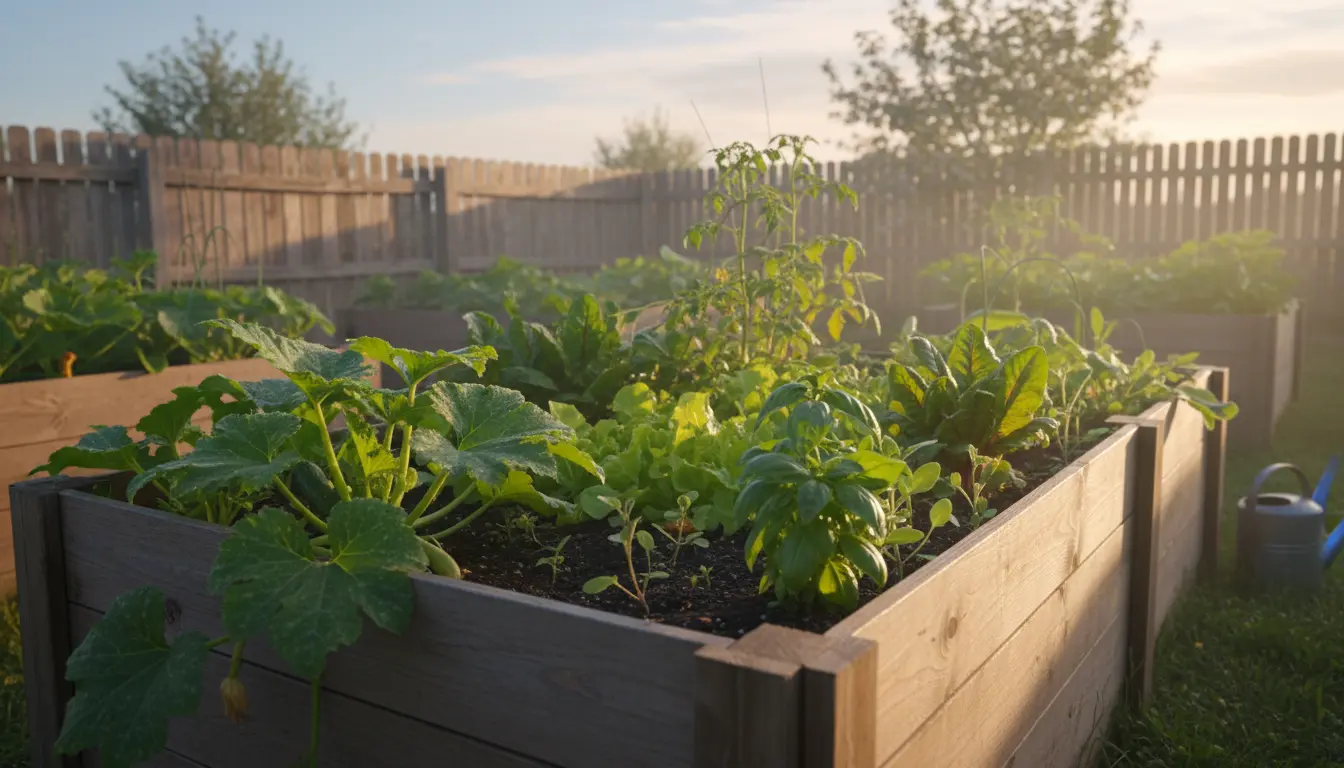
Plan Before You Start a Vegetable Garden
Start with a clear plan before you start a vegetable garden. A simple plan reduces mistakes and saves time.
Decide on location, the size of beds, and what you want to grow. These choices determine how much work and water you will need.
Choose the Right Spot to Start a Vegetable Garden
Pick an area that gets at least 6 hours of direct sunlight for most vegetables. Sunlight is the single most important factor for vegetable growth.
Also consider access to water, drainage, and how close the bed is to your home for easy maintenance.
Decide What to Plant When You Start a Vegetable Garden
Choose vegetables based on your climate, space, and how much time you can spend. Start with easy crops like lettuce, tomatoes, beans, and radishes.
Plan succession planting and companion plants to maximize yield from a small space.
Prepare Soil and Tools to Start a Vegetable Garden
Good soil is the foundation when you start a vegetable garden. Most problems come from poor soil, not pests or weather.
Spend time improving soil structure and fertility before planting for the best long-term results.
Test and Amend Soil Before You Start a Vegetable Garden
Test the soil pH and nutrient levels with a simple test kit. Many vegetables prefer slightly acidic to neutral soil (pH 6.0 to 7.0).
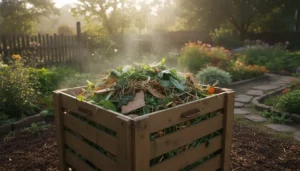
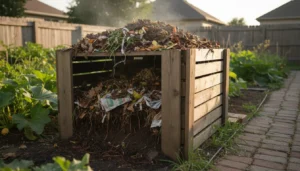
Amend soil with compost and organic matter to improve texture and fertility. Use local compost or well-rotted manure for steady nutrient release.
Tools and Supplies to Start a Vegetable Garden
Buy only essential tools at the start: a spade, hand trowel, garden fork, hose or watering can, and gloves. Proper tools make tasks easier and faster.
Consider raised beds or containers if soil quality or space is limited. Raised beds warm faster in spring and often yield more per square foot.
Planting and Care When You Start a Vegetable Garden
Follow planting dates and spacing recommendations for each crop. Crowded plants compete for light and nutrients and can reduce yield.
Label rows to remember what you planted and when. A simple garden notebook helps track successes and failures.
Watering and Mulching to Start a Vegetable Garden
Water consistently, aiming for deep, infrequent watering rather than shallow daily sprays. Deep watering encourages strong root development.
Mulch around plants with straw or wood chips to reduce weeds, conserve moisture, and moderate soil temperature.
Pest Control and Maintenance When You Start a Vegetable Garden
Inspect plants weekly for pests and disease. Early removal of affected leaves or plants prevents spread.
Use physical barriers, hand-picking, and beneficial insects before chemical controls. Rotate crops annually to reduce soil-borne pests.
Harvesting and Improving After You Start a Vegetable Garden
Harvest vegetables at peak ripeness for best flavor and nutrition. Regular harvesting often increases production for many crops, like beans and tomatoes.
After harvest, add garden residues to the compost and consider a soil test to guide fall amendments for the next season.
Common Mistakes to Avoid When You Start a Vegetable Garden
- Planting too much at once — start small and expand after success.
- Ignoring soil health — poor soil reduces yield more than most pests.
- Overwatering or underwatering — maintain consistent moisture.
- Skipping crop rotation — repeated planting of the same crop encourages pests.
Small Case Study: City Raised Bed Example
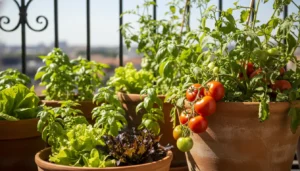
Anna started a single 4×4 foot raised bed on her apartment balcony. She used a mix of store-bought compost and topsoil and chose cherry tomatoes, basil, and lettuce.
In one season she harvested weekly salads and a steady supply of tomatoes. The raised bed gave her control over soil and allowed earlier planting in spring.
Many common vegetables will regrow from kitchen scraps. For example, green onion roots and lettuce bases can produce fresh growth for a few harvests.
Quick Checklist to Start a Vegetable Garden
- Choose a sunny spot and size that fits your time and space.
- Test and improve soil with compost and pH adjustment if needed.
- Buy basic tools and set up raised beds or containers if necessary.
- Plant easy crops first and follow spacing and watering rules.
- Inspect plants weekly and harvest regularly to increase yield.
Starting a vegetable garden is a step-by-step process that rewards planning and steady care. Begin small, learn from each season, and build soil health for long-term success.