
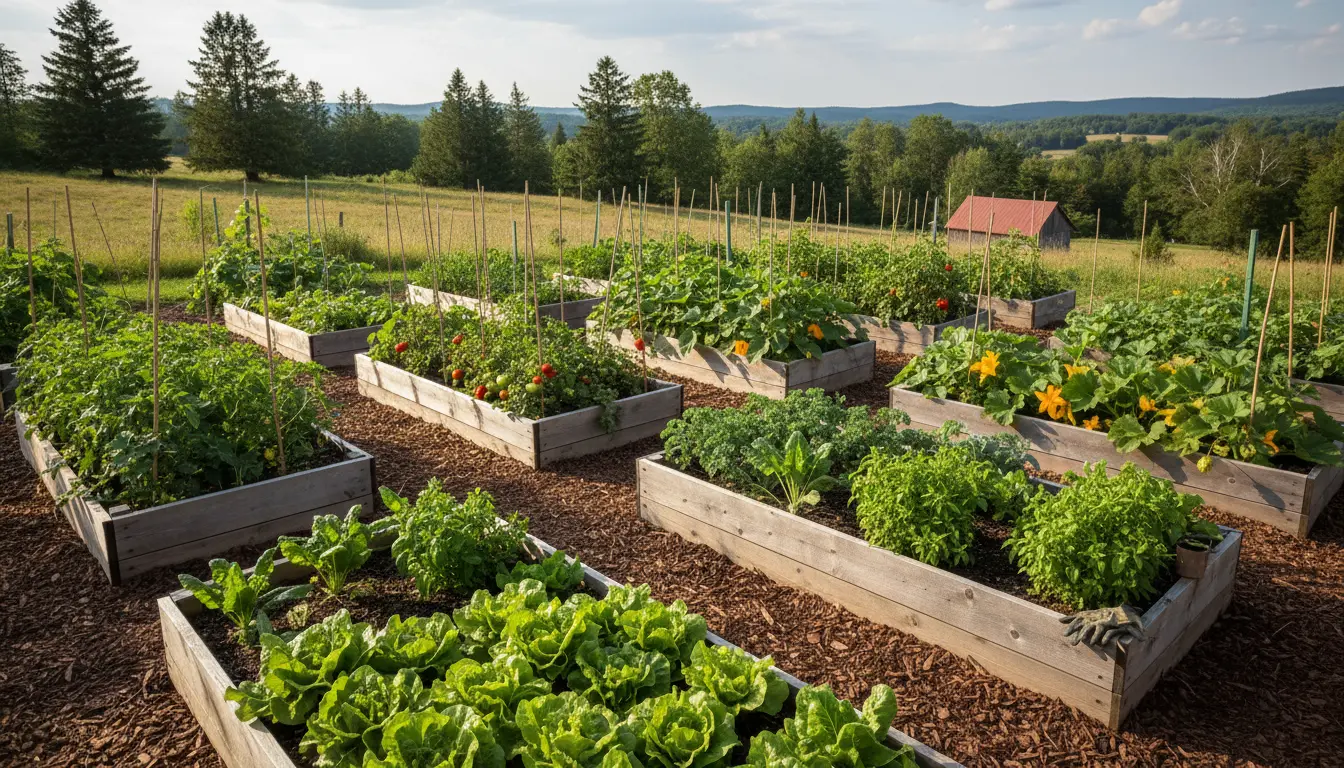
Why Start a Vegetable Garden
Growing your own vegetables saves money and improves food quality. It also gives you control over soil, fertilizer, and harvesting times.
This guide explains how to start a vegetable garden with simple, practical steps you can follow in a weekend or over a season.
Choose the Right Site for Your Vegetable Garden
Sunlight is the most important factor. Most vegetables need 6 to 8 hours of direct sun each day.
Pick a spot with good drainage and easy access to water. Avoid low spots that hold water.
Considerations for site selection
- Sun exposure: 6–8 hours preferred
- Soil drainage: avoid soggy areas
- Proximity to water: hose or irrigation access
- Wind protection: fences or hedges can help
Prepare Soil and Beds
Healthy soil is the foundation of a productive vegetable garden. Start by testing the soil pH and texture.
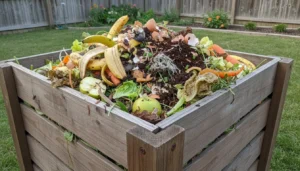
Amend poor soil with compost and aged manure to improve structure and fertility.
Options for bed types
- In-ground beds: best for large spaces with decent soil
- Raised beds: easier to control soil mix and drainage
- Container gardening: good for patios and small spaces
Recommended soil mix for raised beds: 60% topsoil, 30% compost, 10% coarse sand or perlite for drainage.
Plan What to Plant
Select vegetables that match your climate, season, and skill level. Start with reliable, easy crops.
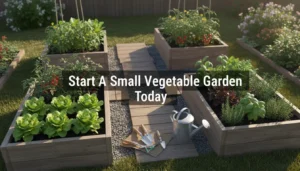
Good beginner vegetables include lettuce, radishes, tomatoes, green beans, and zucchini.
Consider crop timing and succession planting
- Cool-season crops: lettuce, spinach, peas (spring/fall)
- Warm-season crops: tomatoes, peppers, cucumbers (after frost)
- Succession planting: sow every 2–3 weeks for continuous harvest
Planting Basics
Follow seed packet or plant tag instructions for spacing and depth. Avoid overcrowding to reduce disease and improve airflow.
Mulch around plants to conserve moisture and suppress weeds. Use 2–3 inches of organic mulch like straw or shredded leaves.
Watering and Maintenance
Water deeply and less often to encourage deep root growth. A general rule is 1 inch of water per week, more in hot weather.
Use drip irrigation or soaker hoses to reduce water waste and wet foliage less, which helps prevent disease.
Fertilizing and pest management
- Fertilize according to crop needs: leafy greens need more nitrogen, fruiting plants need balanced NPK
- Use organic options like compost tea, fish emulsion, or slow-release granular fertilizers
- Monitor pests and use integrated pest management: hand-picking, row covers, and beneficial insects
Harvesting and Storage
Harvest vegetables at peak ripeness for best flavor and nutrition. Check plant tags for specific cues like color, size, and firmness.
Store produce properly: cool leafy greens, dry root crops, and refrigerate tomatoes only if overripe.
Many common vegetables can be regrown from kitchen scraps. For example, green onions will regrow from their white base when placed in water.
Simple Troubleshooting
Yellow leaves often indicate nutrient deficiency or overwatering. Check soil moisture and add compost if needed.
Powdery mildew appears as white powder on leaves. Improve airflow, reduce overhead watering, and remove affected leaves.
Real-World Example: Small Raised Bed Success
Case study: A suburban homeowner created two 4×8 raised beds on a sunny patio. They filled beds with a 60/30/10 soil mix and planted tomatoes, lettuce, and bush beans.
By following a weekly watering schedule and adding compost mid-season, they harvested enough tomatoes and beans for a family of four and continuous salad greens through summer.
Quick Checklist to Start a Vegetable Garden
- Choose a sunny, well-drained site
- Test soil and amend with compost
- Decide on bed type: in-ground, raised, or containers
- Select beginner-friendly plants for your season
- Plant with proper spacing and mulch to retain moisture
- Water deeply, fertilize as needed, and manage pests
- Harvest regularly and store produce appropriately
Final Tips for Success
Start small and expand as you gain confidence. A small, well-managed garden is more productive than a large, neglected one.
Keep a gardening journal to record planting dates, varieties, problems, and harvest amounts. This will help you improve each season.
Follow these practical steps and you can start a vegetable garden that produces healthy, fresh food with minimal fuss.