
Quick overview before you start a vegetable garden
Starting a vegetable garden is an achievable project whether you have a backyard, balcony, or a small raised bed. This guide focuses on practical steps that get you planting and harvesting with confidence.
Follow these instructions, adapt to your space, and plan for seasonal care to see steady improvement each year.
Step 1: Choose the right site to start a vegetable garden
Good location matters. Most vegetables need 6 to 8 hours of direct sun daily. Pick a spot with reliable sunlight and easy access to water.
Also consider wind exposure, nearby trees, and soil drainage. If ground soil is poor, raised beds or containers are effective alternatives.
Assess sun and space
Track sun exposure across a day. Note shaded hours and morning versus afternoon sun. Many vegetables prefer afternoon sun for warmth.
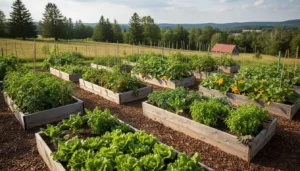
Measure available space and plan plant spacing to avoid overcrowding and disease.
Step 2: Prepare soil when you start a vegetable garden
Soil quality determines plant health. Test soil pH and nutrient levels using a basic kit. Most vegetables prefer a pH of 6.0 to 7.0.
Improve soil with organic matter. Compost, well-rotted manure, or leaf mold increase fertility and structure.
Simple soil improvement steps
- Remove weeds and large stones from the bed.
- Mix 2–4 inches of compost into the top 6–8 inches of soil.
- For heavy clay, add coarse sand and organic matter to improve drainage.
Step 3: Choose what to plant when you start a vegetable garden
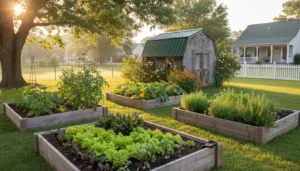
Select vegetables that match your climate, space, and cooking habits. Beginners get faster success with easy crops like lettuce, radishes, tomatoes, and bush beans.
Check local frost dates and choose varieties rated for your zone. Stagger planting dates for continuous harvests.
Planting schedule examples
- Cool-season crops: peas, spinach, lettuce — plant early spring or fall.
- Warm-season crops: tomatoes, peppers, cucumbers — plant after last frost.
- Fast growers: radishes and baby greens — harvest in 3–6 weeks.
Step 4: Planting techniques to start a vegetable garden
Follow seed packet instructions for depth and spacing. For transplants, dig a hole slightly larger than the root ball and firm soil around the plant.
Water thoroughly after planting to settle soil and reduce transplant shock.
Spacing and companion planting
Respect spacing to reduce competition and improve air flow. Consider companion planting lists to deter pests or maximize space.
Step 5: Watering and maintenance
Consistent watering matters more than frequent shallow watering. Aim for deep, less frequent watering to encourage strong root systems.
Mulch with straw or wood chips to retain moisture and suppress weeds. Fertilize lightly based on crop needs and soil test results.
Practical maintenance checklist
- Water deeply 1–2 times per week depending on weather.
- Check for pests and remove by hand when possible.
- Rotate crops annually to reduce disease buildup.
Harvesting tips when you start a vegetable garden
Harvest at peak ripeness for best flavor and yield. Frequent harvesting of crops like beans and zucchini encourages further production.
Use clean tools and store produce promptly to maintain quality.
Small case study: A balcony garden that started small
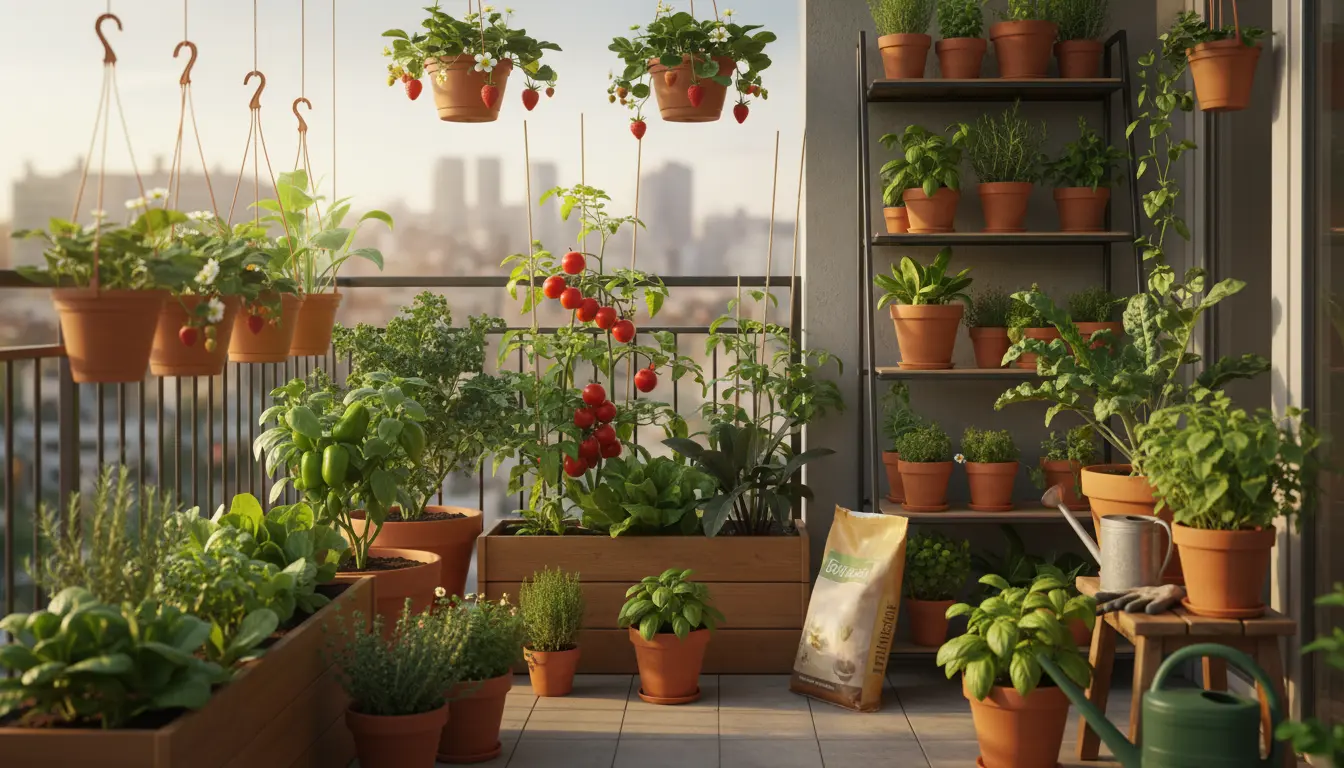
Maria had a 6-foot balcony with good afternoon sun. She started a container garden using three 20-inch pots and two railing planters. Her first season she planted cherry tomatoes, basil, lettuce, and radishes.
By improving potting mix with compost and watering consistently, she harvested tomatoes for three months and had continuous lettuce for salads. The small, focused approach reduced watering needs and made pest control easy.
Common problems and simple solutions
- Yellow leaves: check for overwatering or nutrient deficiency; adjust watering and add compost.
- Pest damage: try handpicking, insecticidal soap, or row covers for young plants.
- Poor flowering: ensure adequate sunlight, and reduce high-nitrogen fertilizer that favors leaves over flowers.
Many common vegetables like lettuce and radishes can be harvested in less than 6 weeks, giving quick rewards for first-time gardeners.
Tools and supplies checklist to start a vegetable garden
- Basic trowel and hand fork
- Watering can or hose with a gentle nozzle
- Quality potting mix or compost
- Seeds or healthy transplants
- Mulch and basic fertilizer
Final tips for success
Start small, keep growing records, and adapt what you plant to your local conditions. Success comes from regular care and learning each season.
Remember: even a few containers can supply fresh herbs and salad greens year-round. Build on small wins and expand when you feel ready.