
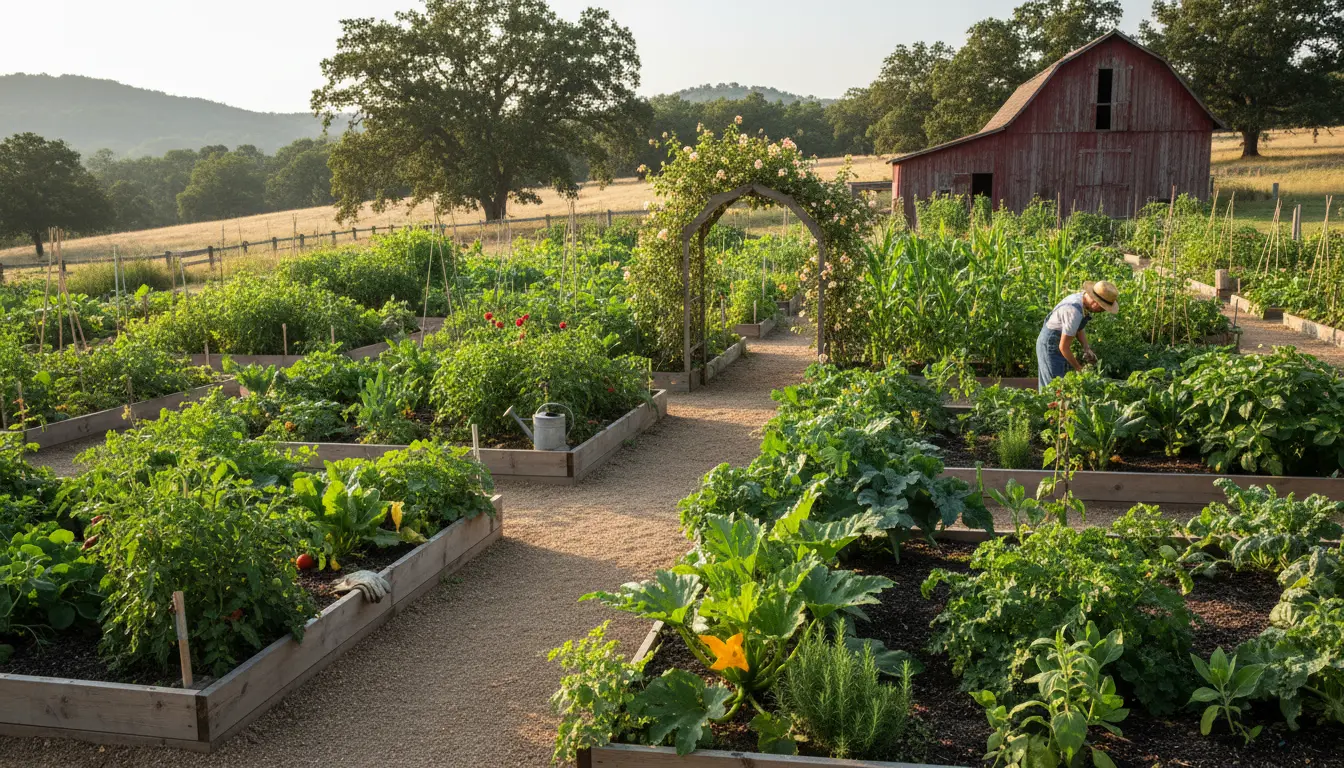
How to Start a Vegetable Garden: Quick Overview
Starting a vegetable garden is a hands-on project you can adapt to any yard, balcony, or community plot. This guide explains practical steps to plan, prepare, plant, and maintain a productive garden.
Plan Before You Start a Vegetable Garden
Good planning saves time and increases yields. Begin by choosing a site with at least six hours of direct sunlight and easy access to water.
Decide what you want to grow based on climate, season length, and personal preference. Focus on 4–6 easy crops in your first year.
Site Selection When You Start a Vegetable Garden
Look for level ground to avoid erosion and pooling. If soil is poor, choose raised beds or large containers to control soil quality.
Consider proximity to your kitchen to encourage regular harvesting and care.
Prepare Soil to Start a Vegetable Garden

Vegetables need fertile, well-draining soil. Test soil pH and nutrient levels with a basic kit to identify major deficiencies.
Amend heavy clay with compost and coarse sand. Add organic matter to sandy soil to improve water retention.
Soil Mix and Raised Beds
For raised beds, use a mix of 60% topsoil, 30% compost, and 10% coarse material such as perlite or aged bark. This balance supports drainage and nutrient retention.
Apply a 2–3 inch layer of compost annually to maintain fertility.
Choose Vegetables That Help You Succeed
Begin with reliable, low-maintenance crops: tomatoes, lettuce, radishes, beans, and zucchini. These give quick feedback and steady harvests.
Plant a mix of short-season crops (lettuce, radish) and longer-season staples (tomato, pepper) to keep harvests consistent through the season.
Succession Planting
To maximize space, use succession planting: sow seeds every 2–3 weeks for crops like lettuce and radish. This prevents a single peak and prolongs harvest.
Use intercropping—plant fast growers between slower ones—such as radishes between carrots to use space efficiently.
Planting Tips to Start a Vegetable Garden
Follow seed packet and plant label spacing instructions to reduce competition and disease pressure. Plant depth matters: seeds too deep may fail to germinate.
Transplant seedlings on cloudy days or in late afternoon to reduce transplant shock. Water well after planting.
Watering and Mulching
Water deeply and less often to encourage strong root systems. Aim for consistent moisture rather than frequent shallow watering.
Mulch 2–3 inches around plants with straw or shredded bark to conserve moisture, suppress weeds, and moderate soil temperature.
Pest and Disease Management
Monitor plants weekly to catch problems early. Remove diseased leaves and pick pests by hand when possible.
Use physical barriers like row covers for young plants and companion planting to deter pests naturally.
Organic Controls
Introduce beneficial insects (ladybugs, lacewings) and use insecticidal soaps or neem oil for specific outbreaks. Rotate crops each year to reduce soil-borne diseases.
Maintenance and Harvesting
Keep a simple routine: water, weed, inspect, and harvest. Regular harvesting often encourages more production, especially with crops like beans and basil.
Use stakes, cages, or trellises for vining plants to save space and improve air circulation.
Fertilizing
Feed vegetables with balanced organic fertilizer at planting and side-dress during peak growth. Avoid over-fertilizing leafy crops if you want fruit production.
Companion planting can reduce pests: marigolds often help deter nematodes, while basil planted near tomatoes can improve flavor and repel flies.
Small Real-World Case Study
Case study: A 10×8 foot raised bed in a USDA zone 7 backyard produced a first-year yield of 120 pounds of vegetables. The gardener planted tomatoes, peppers, bush beans, lettuce, and radishes, using compost-amended soil and drip irrigation.
They used succession planting for lettuce and radishes and staked all tomatoes. Regular mulching reduced weeds and conserved water, while weekly inspections kept pest outbreaks small and manageable.
Costs, Time, and Common Mistakes
Startup costs include soil, compost, seeds or seedlings, and basic tools. Expect 4–10 hours per week during peak season for planting, watering, and harvesting.
Common mistakes: overcrowding, inconsistent watering, and skipping soil improvement. Fix these with spacing, a simple irrigation schedule, and annual compost additions.
Summary: How to Start a Vegetable Garden Successfully
Start small, plan carefully, and focus on soil health. Choose easy crops, water deeply, and maintain a simple routine to build confidence and yield.
Over time, expand varieties and space. With consistent care in the first year, most gardeners see steady improvements and larger harvests in year two.
Example checklist to start today:
- Choose site with 6+ hours sun
- Test soil and add compost
- Pick 4–6 beginner-friendly crops
- Use raised beds or containers if needed
- Set a weekly maintenance schedule