
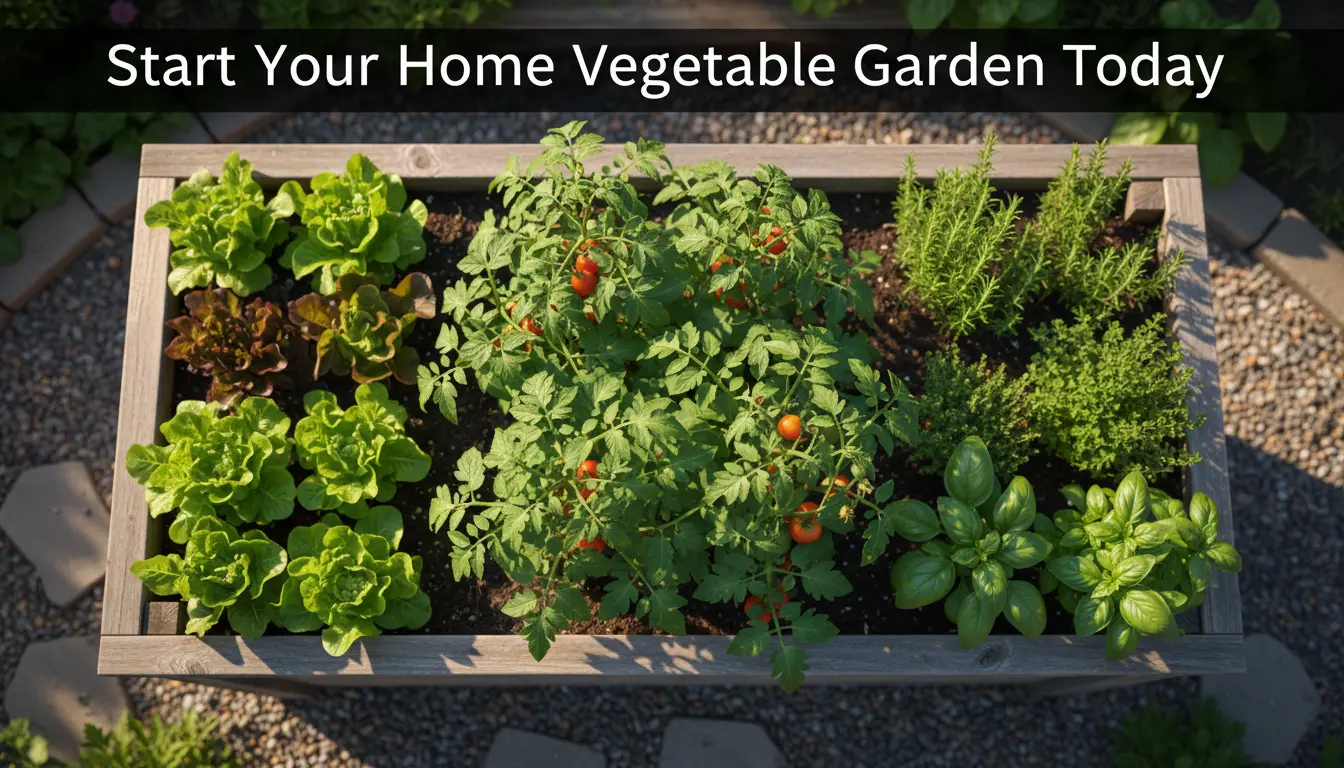
How to Start a Vegetable Garden: Overview
Starting a vegetable garden is practical and manageable if you plan well. This guide explains clear steps to help beginners get a reliable harvest in the first season.
Plan Before You Start a Vegetable Garden
Good planning saves time and prevents common mistakes. Begin by choosing the garden type: in-ground rows, raised beds, or containers.

Consider available space, sun exposure, and how much time you can commit each week. Small, well-maintained beds outperform large, neglected plots.
Choosing Location When You Start a Vegetable Garden
Select a spot with at least 6 hours of direct sun. Vegetables like tomatoes, peppers, and most greens need steady sunlight for fruit and leaf production.
Avoid low-lying areas that collect water. Ensure easy access to a water source and a path for wheelbarrows or tools.
Prepare Soil to Start a Vegetable Garden

Soil quality is the foundation of a productive garden. Test your soil pH and nutrient levels with a home test kit or local extension service.
Improve poor soil by adding organic matter such as compost or well-rotted manure. For raised beds, use a mix of topsoil, compost, and coarse sand or perlite.
Soil Steps and Mulching
- Clear grass and weeds from the planting area.
- Loosen soil to 8–12 inches for most vegetables.
- Mix 2–4 inches of compost into existing soil.
- Apply 2–3 inches of organic mulch to conserve moisture and reduce weeds.
Choose Plants and Seeds to Start a Vegetable Garden
Pick crops suited to your climate and season. Beginners should start with reliable, low-maintenance vegetables like lettuce, radishes, bush beans, and cherry tomatoes.
Decide between seeds and seedlings (transplants). Seeds are cheaper but require more time; seedlings are faster and often easier for first-time gardeners.
Crop Selection Tips
- Start with fast-growing crops to build confidence (e.g., radish: 25–30 days).
- Choose disease-resistant varieties when possible.
- Group plants by water needs to simplify irrigation.
Planting and Spacing to Start a Vegetable Garden
Follow seed packet and plant tag spacing recommendations to avoid overcrowding. Overcrowded plants compete for light and nutrients and are prone to disease.
Stagger plantings (succession planting) to extend harvests. For example, sow lettuce every 2–3 weeks for continuous salad greens.
Watering and Feeding When You Start a Vegetable Garden
Water deeply and less frequently to encourage strong roots. Most vegetable beds need about 1 inch of water per week, adjusted for rain and soil type.
Use a balanced organic fertilizer or fish emulsion during growth, and switch to a bloom-boosting feed for fruiting crops like tomatoes once flowers appear.
Pest and Disease Management in a New Vegetable Garden
Start with prevention: rotate crops annually, remove plant debris, and keep good air circulation. Companion planting can reduce some pests naturally.
Inspect plants weekly. Handpick large pests like slugs and caterpillars and use row covers to protect seedlings from insects and birds.
Safe Controls
- Use insecticidal soap for soft-bodied pests.
- Apply neem oil for fungal and insect issues according to label directions.
- Encourage beneficial insects with flowers such as dill, calendula, and alyssum.
Planting marigolds around vegetable beds can reduce some nematode populations and attract beneficial pollinators. Even small flower strips boost garden health.
Harvesting and Storage When You Start a Vegetable Garden
Harvest vegetables at peak ripeness for best flavor. Leafy greens are often harvested young, while root crops need the correct size.
Store produce correctly: cool, dry spaces for onions and garlic; refrigeration for most leafy greens and harvested herbs.
Case Study: Small Raised Bed Success
Sarah, a beginner gardener, started a 4×4 foot raised bed in spring. She filled it with a 50/50 mix of compost and topsoil and planted tomatoes, bush beans, lettuce, and basil.
She watered the bed twice weekly (about 1 inch total) and mulched with straw. By mid-summer she harvested daily salad greens and 10–12 ripe cherry tomatoes per week. The compact bed produced more than expected and required only 2–3 hours of maintenance per week.
Common Beginner Mistakes to Avoid
- Planting in too much shade—most vegetables need full sun.
- Overwatering—this leads to root rot and weak plants.
- Ignoring soil health—poor soil reduces yields more than other factors.
Next Steps to Grow After You Start a Vegetable Garden
Keep notes on what varieties performed well and how often you harvested. This record helps plan successive seasons.
Scale gradually. Add another raised bed or more containers next season instead of expanding all at once.
Starting a vegetable garden is about consistent care and learning by doing. With basic planning, soil improvement, appropriate plant choices, and regular small tasks, new gardeners can expect rewarding yields and a growing skillset.