
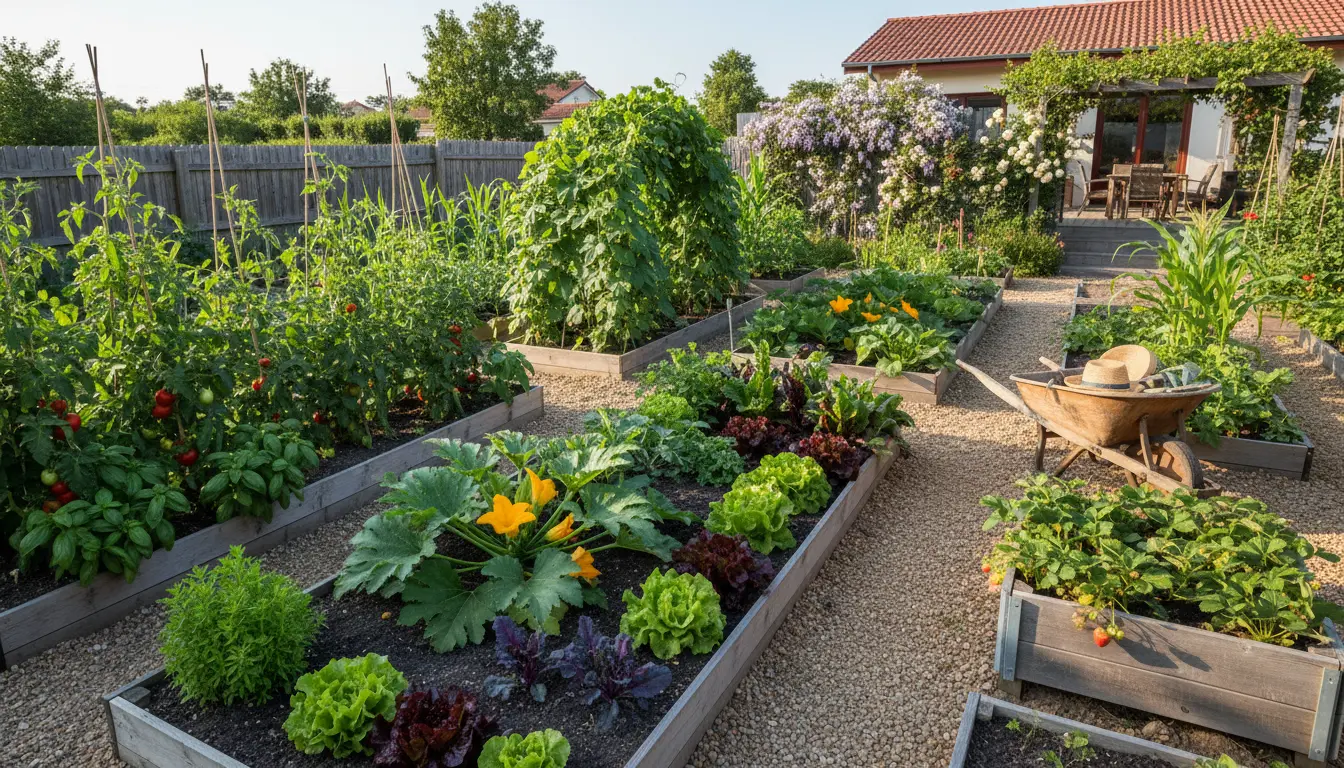
Plan Before You Dig: How to Start a Vegetable Garden
Starting a vegetable garden begins with a simple plan. Decide what you want to grow, where you will grow it, and how much time you can commit each week.
Choose Your Goals and Vegetables
Pick vegetables you and your household will actually eat. For first-time gardeners, pick fast-growing and forgiving crops like lettuce, radishes, bush beans, and tomatoes.
- Easy starters: lettuce, radish, spinach
- High reward: tomatoes, peppers, cucumbers
- Space-saving: pole beans, dwarf varieties, container herbs
Site Selection for a Vegetable Garden
Location affects plant health and yields. Look for a spot with at least 6 hours of direct sunlight each day. Good drainage and easy access to water are also critical.
Assess Sun, Soil, and Access
Observe the site across the day to confirm sun exposure. Avoid low spots where water pools. Make sure you can reach the area with a hose or watering can.
Prepare the Soil
Soil quality determines how well your vegetables grow. Most vegetables prefer loose, fertile soil with good drainage and plenty of organic matter.
Test and Improve Your Soil
Conduct a basic soil test for pH and nutrients or use a home test kit. Aim for a slightly acidic to neutral pH (6.0–7.0) for most vegetables.
Improve soil by adding:
- Compost to boost organic matter
- Well-rotted manure for nutrients
- Coarse sand or perlite for heavy clay soils
Decide Between Beds, Rows, or Containers
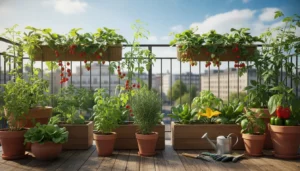
Raised beds warm earlier in spring and give better drainage. In-ground rows work well for larger spaces. Containers are excellent for balconies and patios.
Basic Layout Tips
Keep paths narrow but accessible—about 18–24 inches is enough for walking. Group plants with similar water and light needs together to simplify care.
Choose Seeds or Transplants
Seeds are cheaper and offer more variety. Transplants (seedlings) give a head start and are good for plants with longer seasons, like tomatoes and peppers.
Planting Schedule and Succession
Follow seed packet dates for your climate zone. Stagger plantings (succession planting) of lettuce or radishes every 2–3 weeks for a steady harvest.
Watering and Fertilizing Your Vegetable Garden
Consistent watering helps prevent problems like blossom end rot in tomatoes. Deep, less-frequent watering encourages strong roots.
Practical Watering Tips
- Water early morning to reduce evaporation and disease.
- Aim for 1–1.5 inches of water per week, adjusting for rain.
- Use drip irrigation or soaker hoses to keep foliage dry.
Feed plants with a balanced fertilizer or compost tea during the growing season according to crop needs.
Manage Pests and Diseases
Inspect plants weekly for signs of pests or disease. Early action keeps problems manageable.
Organic Control Methods
- Handpick large pests like caterpillars and slugs.
- Use row covers to protect young plants from insects.
- Encourage beneficial insects with flowering border plants.
Many common kitchen herbs like basil and cilantro can repel pests and improve the taste of nearby vegetables when planted together.
Harvesting and Storing
Harvest vegetables at their peak for best flavor and nutrition. Regular harvesting can also encourage more production in many plants.
Quick Harvest Tips
- Pick leafy greens early in the day for crispness.
- Harvest tomatoes when they have full color and slight give.
- Store root crops in cool, dark places to extend shelf life.
Simple Case Study: A Small Balcony Garden
Sarah, a city renter, started a 4-container garden on her balcony. She chose two tomato plants, a container of mixed lettuces, and basil.
By placing containers where they received 6–8 hours of sun, using potting mix with compost, and watering every other day, Sarah harvested fresh salads and two rounds of cherry tomatoes in her first season.
The small scale required minimal space and showed that urban vegetable gardening is practical and rewarding.
Quick Troubleshooting Guide
- Yellow leaves: Check watering and nutrient supply.
- Stunted growth: Test soil pH and improve fertility.
- Pest outbreak: Isolate affected plants and use organic controls.
Final Steps When You Start a Vegetable Garden
Start small and expand as you learn. Keep a simple journal: note planting dates, varieties, and yields to improve next season.
Vegetable gardening is practical and scalable. With a plan, basic soil care, and routine maintenance, you can grow reliable, tasty food at home.