
Why start a vegetable garden
Growing your own vegetables saves money and gives you fresh produce at peak flavor. A small, well-planned garden can supply weekly salads and cooking ingredients for a family.
For beginners, a vegetable garden is also a hands-on way to learn soil, seasons, and plant needs. This guide breaks the process into clear, manageable steps.
Planning to start a vegetable garden
Good planning reduces mistakes and wasted effort. Start with location, size, and the types of vegetables you want to grow.
Consider sunlight, water access, and ease of maintenance when choosing the space.
Choose location and size
Most vegetables need at least 6 hours of direct sunlight each day. Observe the yard at different times to find the sunniest spot.
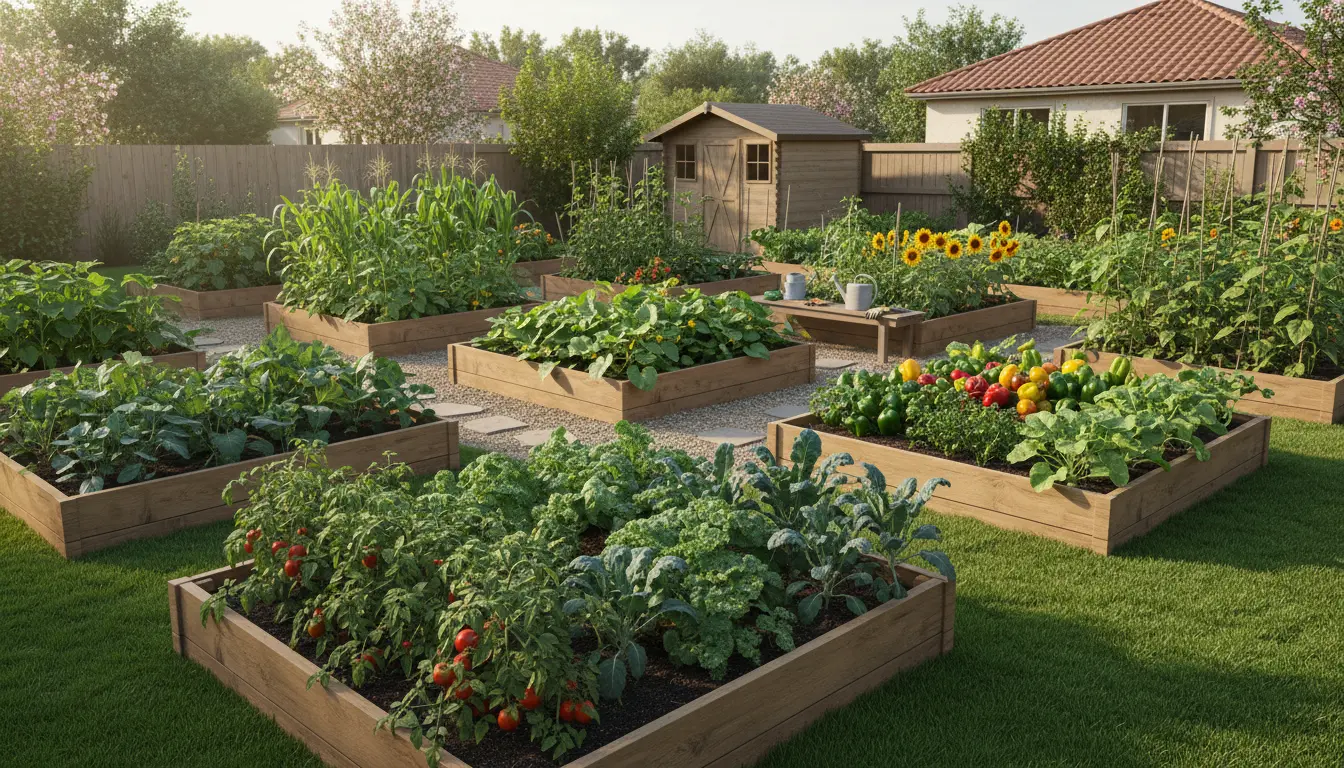
Begin with a small area—two to four raised beds or a 100–200 square foot plot is manageable for a first garden.
Assess soil and water
Test the soil pH and texture with a simple kit or local extension service. Vegetables prefer a slightly acidic to neutral pH (6.0–7.0).
Plan how you will water: a hose with a soaker attachment, drip irrigation, or regular watering cans are common options.
How to start a vegetable garden: step-by-step

This section gives a straightforward sequence to get your garden in the ground and growing. Follow these steps for a strong start.
- Clear and prepare the site. Remove grass, weeds, and debris. For new beds use a shovel or sheet-mulch with cardboard to suppress turf.
- Improve the soil. Add compost and a balanced organic fertilizer. Mix 2–4 inches of compost into the top 6–8 inches of soil.
- Layout your beds. Mark pathways and plant rows. Raised beds 3–4 feet wide let you reach the center without stepping on soil.
- Choose plants. Start with easy crops: lettuce, radish, bush beans, tomatoes, and herbs like basil.
- Plant at the right time. Follow local frost dates and seed packet instructions for planting depth and spacing.
- Mulch and water. Apply a 2–3 inch layer of organic mulch to retain moisture and suppress weeds. Water deeply but less often to encourage strong roots.
Seed vs. seedlings
Seeds are cheapest and great for carrots, beets, and beans. Seedlings (starts) give you a head start for tomatoes, peppers, and broccoli.
Mix both approaches to spread out planting times and harvests.
Plant selection and layout
Choose vegetables that you and your household will eat. Consider staggered planting to extend harvests over several weeks.
Use companion planting and vertical supports to maximize space—pole beans on trellises or tomatoes on cages work well.
- Fast crops: lettuce, radishes, spinach (ready in 3–6 weeks)
- Medium crops: bush beans, beets, carrots (6–10 weeks)
- Long crops: tomatoes, peppers, squash (season-long care)
Companion planting basil near tomatoes can improve tomato flavor and reduce pests like whiteflies.
Maintenance tips for a healthy vegetable garden
Regular maintenance keeps small problems from becoming big ones. Spend 10–15 minutes several times a week checking plants.
Focus on watering, weeding, pruning, and pest checks. Early detection of disease saves time and yield.
Weed and pest control
Keep weeds down by hand-pulling or mulching. Inspect leaves for holes, discoloration, or sticky residue that indicates pests.
Use nonchemical controls first: row covers, hand-picking, or beneficial insects like ladybugs for aphids.
Fertilizing and soil health
Add compost each season and apply a balanced organic fertilizer if growth is slow or leaves are pale. Follow package directions for rates.
Rotate crops year to year to reduce buildup of pests and nutrient imbalances.
Common problems and quick fixes
Yellow leaves: often overwatering or nutrient deficiency. Check soil moisture and add compost if needed.
Stunted plants: may need more sunlight, better drainage, or more consistent watering.
Blossom drop on tomatoes: often caused by heat, inconsistent watering, or lack of pollination. Provide shade cloth during extreme heat and keep watering steady.
Small real-world case study
Case study: A first-season gardener built two 4×8 raised beds and filled them with a 50/50 mix of compost and topsoil. They planted tomatoes, bush beans, lettuce, and basil.
They watered with a soaker hose twice a week and mulched with straw. By midsummer they harvested weekly salad greens and six mature tomato plants that produced 30–40 pounds of fruit combined.
Key takeaways: simple raised beds, consistent watering, and picking plants you actually eat led to a productive first season.
Quick checklist before you start a vegetable garden
- Pick a sunny spot with easy water access.
- Start small: 1–4 raised beds or a modest plot.
- Improve soil with compost and test pH if unsure.
- Choose easy crops and plant at recommended times.
- Mulch, water deeply, and inspect plants weekly.
Starting a vegetable garden is a practical project with tangible rewards. With basic planning and routine care you can build a productive garden that grows every season.