
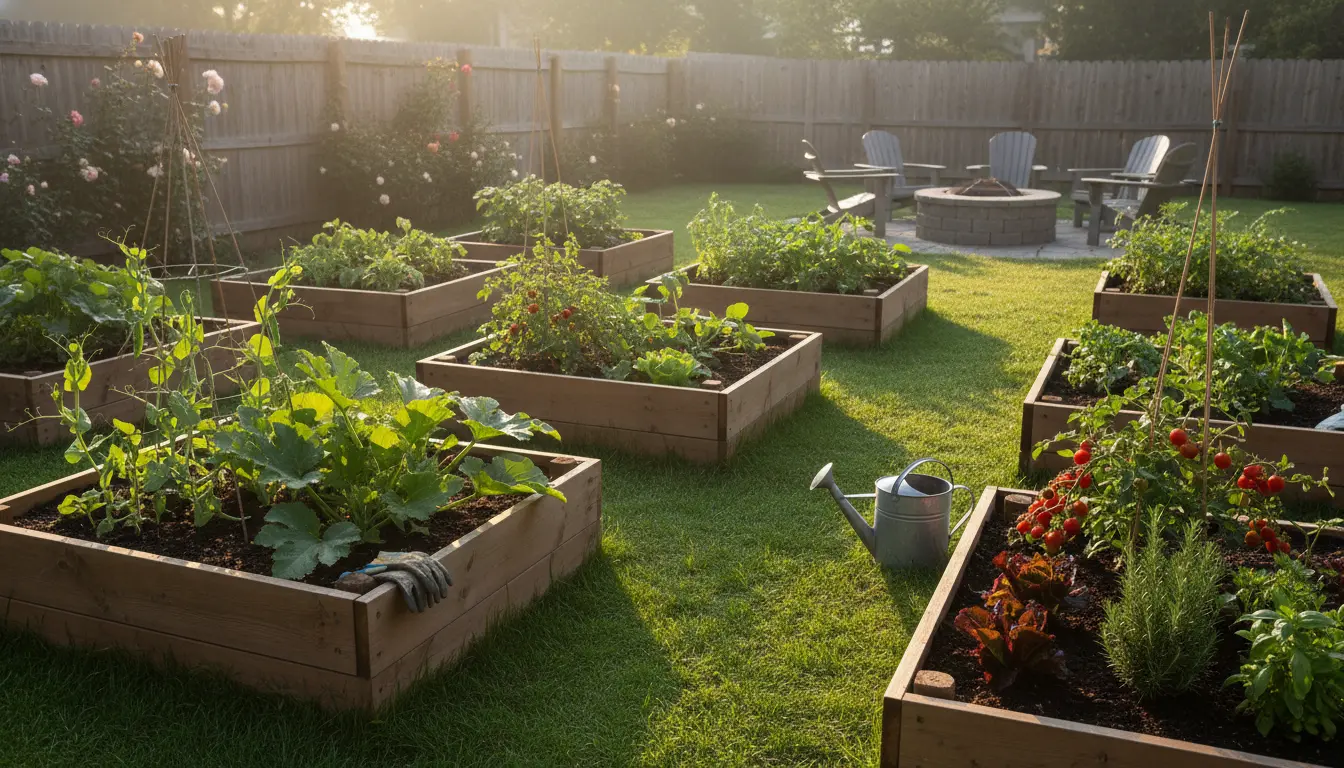
Starting a vegetable garden is a practical way to grow fresh food, reduce grocery costs, and enjoy time outdoors. This guide breaks down clear, actionable steps so you can start a vegetable garden with confidence.
Plan Your Vegetable Garden
Good planning makes planting easier and increases success. Choose the vegetables you and your family will eat and prioritize crops that are easy for beginners.
Consider space, season, and maintenance when you plan. Decide between in-ground beds, raised beds, or containers.
Choose Vegetables and Layout
Select 3–6 easy starter vegetables such as lettuce, radishes, tomatoes, beans, and herbs. Map a simple layout that places taller plants to the north or west so they do not shade shorter plants.
- Early crops: lettuce, radishes, spinach
- Warm-season crops: tomatoes, peppers, cucumbers
- Low-maintenance crops: bush beans, Swiss chard, herbs
Pick the Right Site
Sunlight is the most important site factor for a vegetable garden. Most vegetables need 6–8 hours of direct sun per day.
Also check access to water, drainage, and wind exposure. A flat area with good drainage is ideal.
Soil and Soil Tests
Healthy soil means healthier plants. If possible, test your soil pH and nutrient levels with a home kit or a local extension service.
Adjust soil using compost and organic matter. Aim for loose, well-draining soil that retains moisture but doesn’t stay waterlogged.
Prepare Soil and Beds
Prepare your beds a few weeks before planting. Remove weeds, loosen compacted soil, and incorporate 2–3 inches of compost.
For raised beds, fill with a mix of topsoil and compost for quick results. Raised beds warm faster in spring and improve drainage.
Planting Your Vegetable Garden
Follow seed packet or plant tag instructions for spacing, depth, and planting time. Start cool-weather crops earlier and warm-season crops after the last frost date.
Use succession planting to extend harvests—plant new rows of quick crops like lettuce every 2–3 weeks.
Transplants vs. Seeds
Transplants give a head start and are great for tomatoes, peppers, and eggplants. Seeds are cost-effective for beans, carrots, and radishes.
Hardening off transplants (gradually exposing them to outdoor conditions) reduces shock and supports better establishment.
Watering and Mulching
Water deeply and less frequently to encourage strong root systems. Aim for about 1 inch of water per week, adjusting for rainfall and soil type.
Apply mulch to conserve moisture, suppress weeds, and regulate soil temperature. Organic mulches like straw or shredded leaves work well.
Basic Maintenance and Pest Control
Regular tasks include weeding, checking for pests, and pruning where needed. Inspect plants weekly to catch problems early.
Use physical barriers like row covers for pests and handpick larger pests when possible. Favor cultural methods and biological controls before chemical options.
Simple Fertilizing
Apply a balanced organic fertilizer at planting and side-dress with compost midseason for heavy feeders like tomatoes and cucumbers.
Overfertilizing nitrogen can cause leafy growth at the expense of fruit; follow package directions and observe plant response.
Planting marigolds near vegetable beds can help deter some nematodes and attract beneficial insects that feed on pests.
Harvesting and Storage
Harvest at peak ripeness for the best flavor. Leafy greens are best cut young, while tomatoes and peppers develop full taste when fully colored.
Store produce properly: cool and dry for root vegetables, refrigeration for leafy greens, and room temperature for tomatoes until ripe.
Small Case Study: Urban Balcony Vegetable Garden
Lisa, a renter in Seattle, started a 4-foot-wide balcony vegetable garden using containers and a small raised trough. She selected compact tomato varieties, basil, lettuce, and bush beans.
After preparing potting mix with compost and setting containers in full sun, Lisa watered consistently and used stakes for tomatoes. By mid-summer, she harvested lettuce every two weeks and three tomato plants produced 30–40 tomatoes each season.
Key takeaways: choose compact varieties, maintain a watering schedule, and use good potting mix for success in small spaces.
Quick Checklist to Start a Vegetable Garden
- Choose site with 6–8 hours sun and water access
- Decide bed type: in-ground, raised, or containers
- Test and amend soil with compost
- Select beginner-friendly crops and plan layout
- Plant at correct times and water deeply
- Mulch, monitor pests, and fertilize lightly
Starting a vegetable garden is a cycle of simple tasks repeated through the season. With basic planning, the right site, and consistent care, even a small plot can yield fresh, healthy produce for your table.