
Why start a vegetable garden
Growing your own vegetables saves money, reduces waste, and gives you fresher food. A small garden also teaches seasonal planning and improves mental well-being.
This guide shows practical, step-by-step actions to start a vegetable garden, even with limited space or time.
Plan before you plant: how to start a vegetable garden
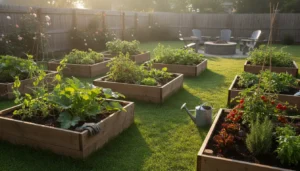
Good results begin with planning. Identify where your garden will go, what you want to grow, and how much time you can spend each week.
Consider sunlight, space, water access, and soil quality when choosing a location.
Choose the right spot
Most vegetables need 6–8 hours of direct sun. Observe the intended area for a few days to confirm sun exposure.
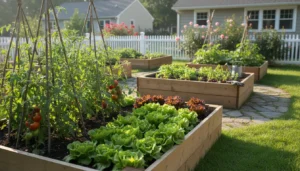
If full sun is not available, select shade-tolerant crops like leafy greens and root vegetables.
Decide on garden type
Options include in-ground beds, raised beds, and container gardens. Pick the type that fits your space and budget.
- Raised beds: better drainage and easier soil control.
- Containers: ideal for balconies and patios.
- In-ground beds: larger yield but need soil testing and amendment.
Soil and amendments
Healthy soil is the foundation of a productive garden. Test the soil or assume you will need to improve it for the first season.
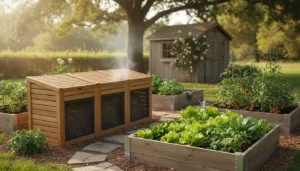
Add compost and a balanced organic fertilizer to increase nutrients and structure.
Simple soil mix for raised beds
Mix equal parts topsoil, compost, and well-aged manure or coconut coir for moisture retention. This creates a fertile, loose medium for roots.
Mulch with straw or wood chips to keep moisture steady and reduce weeds.
What to plant first: beginner-friendly choices
Start with easy, fast-growing vegetables to build confidence. Choose varieties suited to your climate and season.
- Leafy greens: lettuce, spinach, Swiss chard.
- Root crops: radishes, carrots, beets.
- Fruit crops for beginners: cherry tomatoes, bush beans, zucchini.
Use a planting schedule
Plan sowing dates based on your last frost date. Many extension services offer local calendars to guide planting times.
Stagger plantings every 2–3 weeks for a continuous harvest through the season.
Watering and maintenance
Consistent watering is more important than frequent watering. Aim to keep soil evenly moist, not waterlogged.
Use drip irrigation or a soaker hose where possible to reduce disease and water waste.
Routine tasks
- Weed weekly to reduce competition for nutrients.
- Check plants for pests and diseases every few days.
- Pinch or prune legumes and tomatoes to encourage airflow and productivity.
Pest control and organic options
Start with prevention: healthy soil, proper spacing, and diverse plantings reduce pest problems. Monitor plants regularly to catch issues early.
Try these organic methods for common pests and problems:
- Handpick caterpillars and slugs at dawn or dusk.
- Use row covers to protect seedlings from insects and birds.
- Apply insecticidal soap or neem oil for aphids and soft-bodied insects.
Harvesting and succession planting
Harvest regularly to encourage plants to produce more. Pick ripe fruits and cut leafy greens from the outside to allow continuous growth.
After early crops finish, replant beds with later-season varieties or cover crops to maintain soil health.
Simple succession plan example
- Early spring: peas and radishes.
- Late spring: tomatoes and beans after frost risk passes.
- Late summer: a second round of lettuce and spinach in a shaded area.
Common beginner mistakes and how to avoid them
New gardeners often overplant, overwater, or use poor soil. Focus on one bed or a few containers to start, and expand once you have steady success.
Choose disease-resistant varieties and learn one pest or disease at a time rather than reacting to every problem immediately.
Real-world example: a small suburban success
Case study: Maria, a suburban homeowner, turned a 6×4 foot patch into a productive raised bed. She tested sunlight, chose a sunny corner, and built a 12-inch raised bed.
Maria used a soil mix of compost and topsoil, planted tomatoes, lettuce, and bush beans, and installed a soaker hose on a timer. In her first season she harvested salad greens through summer and allowed tomatoes to ripen for fresh salsa.
Her time investment was 30–45 minutes twice a week. This small commitment produced weeks of fresh produce and lowered her grocery bills.
Quick checklist to start a vegetable garden
- Select a sunny location and garden type (raised bed, container, in-ground).
- Test and amend soil; add compost.
- Choose easy crops suited to your season and space.
- Set up a simple watering system and mulch beds.
- Monitor pests and practice succession planting.
Starting a vegetable garden is manageable with small, consistent steps. Focus on planning, soil health, and regular maintenance to build a reliable, productive garden over the first season and beyond.