
Starting a vegetable garden is manageable with a clear plan and simple steps. This guide explains how to start a vegetable garden from planning to harvest, using practical tips you can apply in a small backyard or on a balcony.
How to Start a Vegetable Garden: Planning Your Garden
Good results begin with planning. Decide where to place the garden, which vegetables to grow, and how much time you can commit each week.
Choose the Right Location

Most vegetables need 6–8 hours of direct sunlight daily. Choose a spot with good drainage and easy access to water.
Select Vegetables for Your Climate
Pick vegetables suited to your growing zone and season. Beginners do well with easy crops like lettuce, tomatoes, radishes, and beans.
- Start small: a 4×8 raised bed is plenty for a beginner.
- Group plants by water and sunlight needs.
- Plan succession planting to extend harvests.
How to Start a Vegetable Garden: Preparing Soil and Beds
Healthy soil is the most important factor for strong plants. Test and amend soil before planting to give vegetables the nutrients they need.
Test and Improve Soil
Use a home soil test kit or local extension service to check pH and nutrient levels. Most vegetables prefer slightly acidic to neutral soil (pH 6.0–7.0).
Improve soil structure by adding organic matter like compost or well-rotted manure. Mix 2–3 inches of compost into the top 6–12 inches of soil for raised beds.
Raised Beds and Containers
Raised beds warm faster in spring and drain well. Containers are ideal for balconies and patios and allow precise soil control.
- Use a high-quality potting mix for containers.
- Ensure containers have drainage holes.
- Fill raised beds with a mix of native soil and compost.
How to Start a Vegetable Garden: Planting and Care
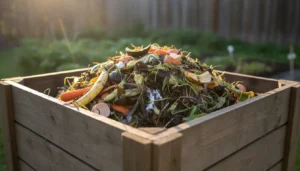
Planting correctly and following simple care routines keeps plants productive. Pay attention to spacing, planting depth, and timing.
Sowing Seeds vs. Transplants
Direct-sow quick growers like carrots and radishes. Use transplants for plants with long seasons like tomatoes and peppers to get an earlier harvest.
Watering and Mulching
Water deeply and less often to encourage strong roots. Aim for consistent moisture; most vegetables need about 1 inch of water per week.
Mulch around plants to retain moisture and reduce weeds. Use straw, shredded leaves, or wood chips in a 2–3 inch layer.
How to Start a Vegetable Garden: Pest and Disease Management
Healthy practices reduce pest and disease pressure. Use simple preventive measures before resorting to treatments.
Integrated Pest Management Basics
Monitor plants regularly and remove pests by hand when possible. Encourage beneficial insects by planting flowers like marigolds and calendula.
- Rotate crops yearly to reduce soil-borne diseases.
- Use row covers early in the season for insect control.
- Apply organic treatments only when necessary and follow label directions.
How to Start a Vegetable Garden: Harvesting and Maintenance
Harvest vegetables at peak ripeness for best flavor. Frequent harvesting often boosts further production.
Basic Harvest Tips
Pick leafy greens when young and tender. Harvest tomatoes when fully colored and slightly soft. Use clean tools and avoid damaging plants.
Season Extension
Use row covers or cold frames to extend the growing season in spring and fall. Plant fast-maturing varieties late in the season to squeeze in extra harvests.
Many common vegetables like lettuce and radishes can be ready to harvest in as little as 3 to 6 weeks from sowing, making them ideal for new gardeners who want quick results.
Case Study: Small Backyard Success
Emma converted a 10×8 foot patch in her backyard into a raised bed garden. She started with soil testing and added compost to improve texture and nutrients.
She planted tomatoes, bush beans, lettuce, and radishes across two raised beds. By following basic watering and mulching routines, she harvested fresh salad greens within five weeks and tomatoes later in the season.
Lessons learned: start small, test soil, and choose reliable varieties. Emma averaged weekly salad harvests for four months and saved on grocery costs.
Quick Checklist: How to Start a Vegetable Garden
- Choose a sunny location with good drainage.
- Test soil and add compost as needed.
- Start with 3–6 easy crops suited to your zone.
- Use raised beds or containers if space is limited.
- Water deeply, mulch, and monitor for pests weekly.
- Harvest promptly to encourage continued production.
Final Tips for Beginners
Keep records of planting dates and varieties. Small adjustments year to year will improve productivity and confidence.
Starting a vegetable garden is a learning process. By planning carefully and following these practical steps, you can grow productive, healthy vegetables even as a beginner.