
Getting Ready: Why start a vegetable garden
Starting a vegetable garden gives you fresh food, saves money, and connects you with nature. It can fit any space from a small balcony to a backyard plot.
This guide covers simple, practical steps to start a vegetable garden so you can grow healthy vegetables the first season.
How to Start a Vegetable Garden: Choose the Right Location
Pick a spot that gets at least 6 hours of sunlight daily for most vegetables. Morning sun is best because it dries leaves and reduces disease risk.
Consider access to water and how close the site is to your kitchen for easy harvesting. Good drainage is important; avoid low spots that collect water.
Soil and Containers to Start a Vegetable Garden
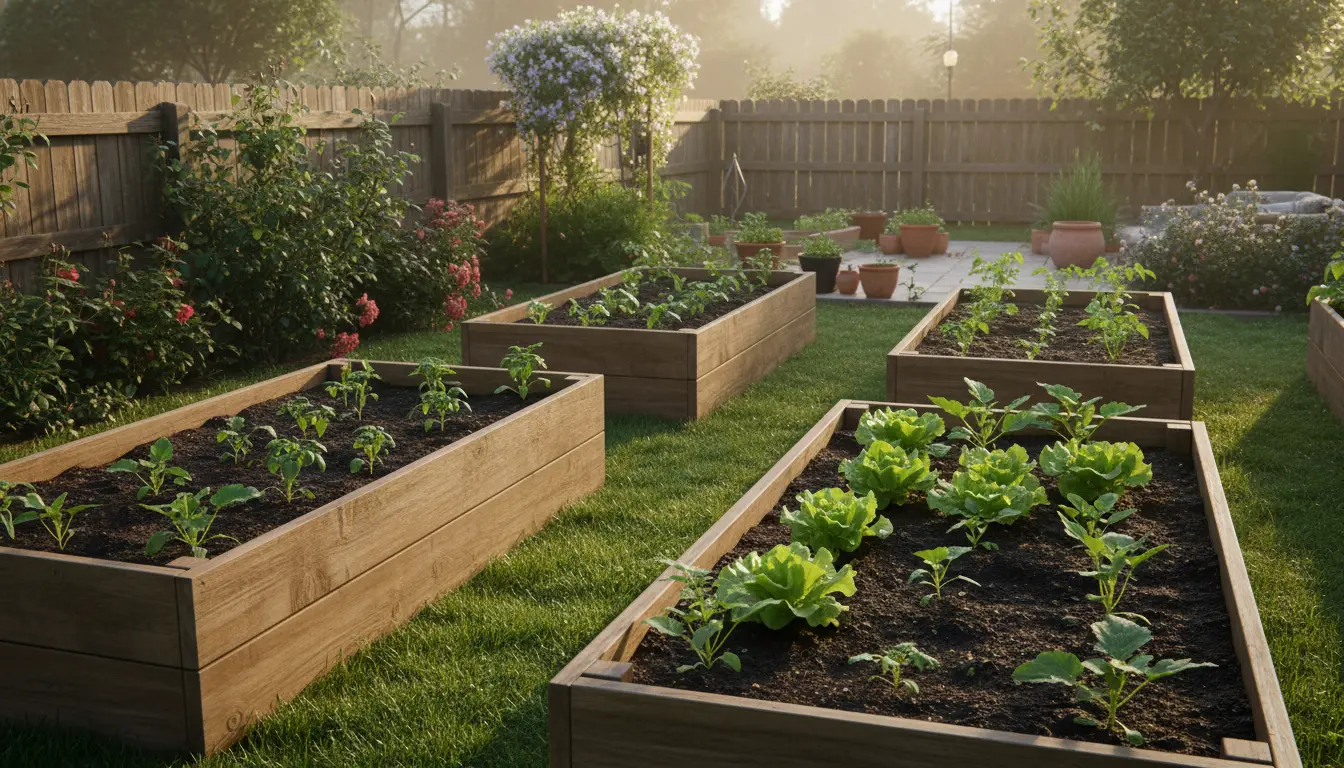
You can grow vegetables in the ground, raised beds, or containers. Raised beds warm faster and offer better drainage. Containers work well for tomatoes, peppers, and herbs.
Test soil texture and fertility. A simple home test or a kit from a garden center tells you basic needs.
How to Start a Vegetable Garden: Prepare the Soil
Healthy soil is the foundation of a productive garden. Aim for loose, crumbly soil rich in organic matter.
- Remove weeds and large stones.
- Work in 2–4 inches of compost or aged manure.
- For heavy clay, add coarse sand and more organic matter to improve drainage.
pH affects nutrient availability. Most vegetables prefer a pH of 6.0–7.0.
Select Plants to Start a Vegetable Garden
Choose easy, reliable crops for your first season. Consider your climate zone and the length of your frost-free period.
- Good beginner vegetables: lettuce, radishes, spinach, bush beans, cherry tomatoes, and peppers.
- Start with transplants for crops like tomatoes and peppers to get a head start.
- Use succession planting to extend harvests.
Planting and Layout Tips
Plan your layout before planting. Leave walking paths and space for mature plants. Overcrowding invites pests and reduces yield.
Follow seed packet or plant label spacing. Plant taller crops on the north side so they don’t shade shorter ones to the south.
Watering and Feeding Your Vegetable Garden
Consistent moisture is key. Water deeply once or twice a week rather than frequent shallow sprinklings.
- Use a soaker hose or drip irrigation to reduce leaf wetness and save water.
- Add a balanced fertilizer if growth is slow, following package instructions.
- Mulch with straw or shredded leaves to retain moisture and suppress weeds.
Pest and Disease Management
Start with prevention: clean tools, good spacing, crop rotation, and resistant varieties. Regular inspection helps catch problems early.
Use these low-impact tactics first:
- Handpick larger pests like caterpillars.
- Introduce beneficial insects like ladybugs for aphid control.
- Use row covers to protect young plants from insects.
Many common garden vegetables can be harvested within 30–60 days. Radishes often mature in as little as 25 days, making them a great first crop for beginners.
Maintenance and Harvesting
Regular tasks include weeding, watering, and removing spent plants. Harvest vegetables early in the morning for best flavor and texture.
Keep a simple log of planting dates and harvest yields. This helps you improve timing and variety selection in later seasons.
Simple Seasonal Checklist to Start a Vegetable Garden
- Early season: prepare soil, start seeds indoors or buy transplants.
- Planting: harden off transplants, follow spacing, and mulch.
- Mid season: maintain watering, check for pests, and harvest regularly.
- End season: remove spent plants, add compost, and plan cover crops.
Real-World Example: A Small Raised Bed Case Study
Sasha built a 10 x 4 foot raised bed in her suburban yard and followed these steps to start a vegetable garden. She filled it with a mix of topsoil and compost and chose easy crops.
In her first season she planted lettuce, radishes, bush beans, and two cherry tomato plants. She used drip irrigation and mulched around the plants.
Result: Sasha harvested continuous salad greens and tomatoes from June through October. She spent about 3 hours per week on maintenance and saved money on store-bought produce.
Final Tips to Start a Vegetable Garden Successfully
Start small and expand as you gain confidence. Focus on a few reliable crops before trying more challenging varieties.
Learn from each season: note what worked, what didn’t, and adjust soil, spacing, and varieties accordingly.
With a bit of planning and regular care, you can start a vegetable garden that provides fresh produce and gardening satisfaction all season long.