
How to Start a Vegetable Garden: Practical Steps for Beginners
Starting a vegetable garden is rewarding and can fit small backyards or balconies. This guide gives clear, actionable steps to plan and plant a productive vegetable garden with minimal fuss.
Choose a Spot for Your Vegetable Garden
Pick a location that gets at least 6 hours of direct sunlight for most vegetables. Good sunlight increases yields and reduces pest pressure.
Avoid low spots that collect water and choose an area with easy access to a water source. If space is limited, consider containers or a raised bed.
Prepare Soil for a Healthy Vegetable Garden
Healthy soil is the foundation of any vegetable garden. Most vegetables prefer a loose, well-draining soil rich in organic matter.
- Test soil pH with a home kit; aim for pH 6.0–7.0 for most crops.
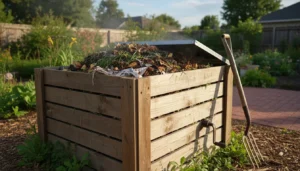
- Add compost or well-rotted manure to improve texture and nutrients.
- Mix 2–4 inches of compost into the top 6–8 inches of soil before planting.
Select Vegetables That Suit Your Garden
Choose easy, productive vegetables to build confidence. For first-time gardeners, try tomatoes, lettuce, radishes, green beans, and herbs.
Consider your climate and season. Use seed packet or plant tag days-to-maturity to time plantings for your growing season.
Planting Tips for a Successful Vegetable Garden
Follow spacing and depth instructions on seed packets or plant labels. Crowding plants reduces airflow and increases disease risk.
Use staggered plantings for continuous harvest: sow lettuce or radishes every 2–3 weeks for steady supply. Mulch around plants to conserve moisture and suppress weeds.
Watering and Maintenance in a Vegetable Garden

Water deeply and infrequently: supply 1–1.5 inches per week rather than light daily sprinkling. Deep roots make plants more drought tolerant.
- Water at the base of plants to keep leaves dry and reduce disease.
- Use drip irrigation or soaker hoses for efficiency and consistency.
- Remove weeds early and check plants weekly for pests and symptoms of disease.
Common Problems and Simple Solutions for Vegetable Gardens
Pests, nutrient deficiencies, and poor drainage are common issues. Early detection and small fixes usually prevent major crop loss.
Pest Control in Your Vegetable Garden
Inspect leaves regularly for chewing, holes, or sticky residues. Handpick large insects like caterpillars or use row covers to protect young plants.
Introduce beneficial insects and avoid broad-spectrum pesticides that kill pollinators. Rotate crops each year to break pest cycles.
Soil and Nutrition Problems
Yellow leaves often signal nitrogen deficiency, while purple leaves can indicate phosphorus deficiency. Use a balanced organic fertilizer or compost tea if needed.
Regularly add compost to maintain fertility rather than relying solely on chemical fertilizers.
Companion planting, such as growing basil near tomatoes, can improve flavor and deter specific pests. Simple pairings help pollinators and reduce pests naturally.
Practical Checklist Before You Plant Your Vegetable Garden
- Confirm daily sunlight of 6+ hours
- Test and amend soil pH and structure
- Choose 3–6 easy crops for your first season
- Set up watering method (hose, soaker, or drip)
- Mulch and stake plants as needed
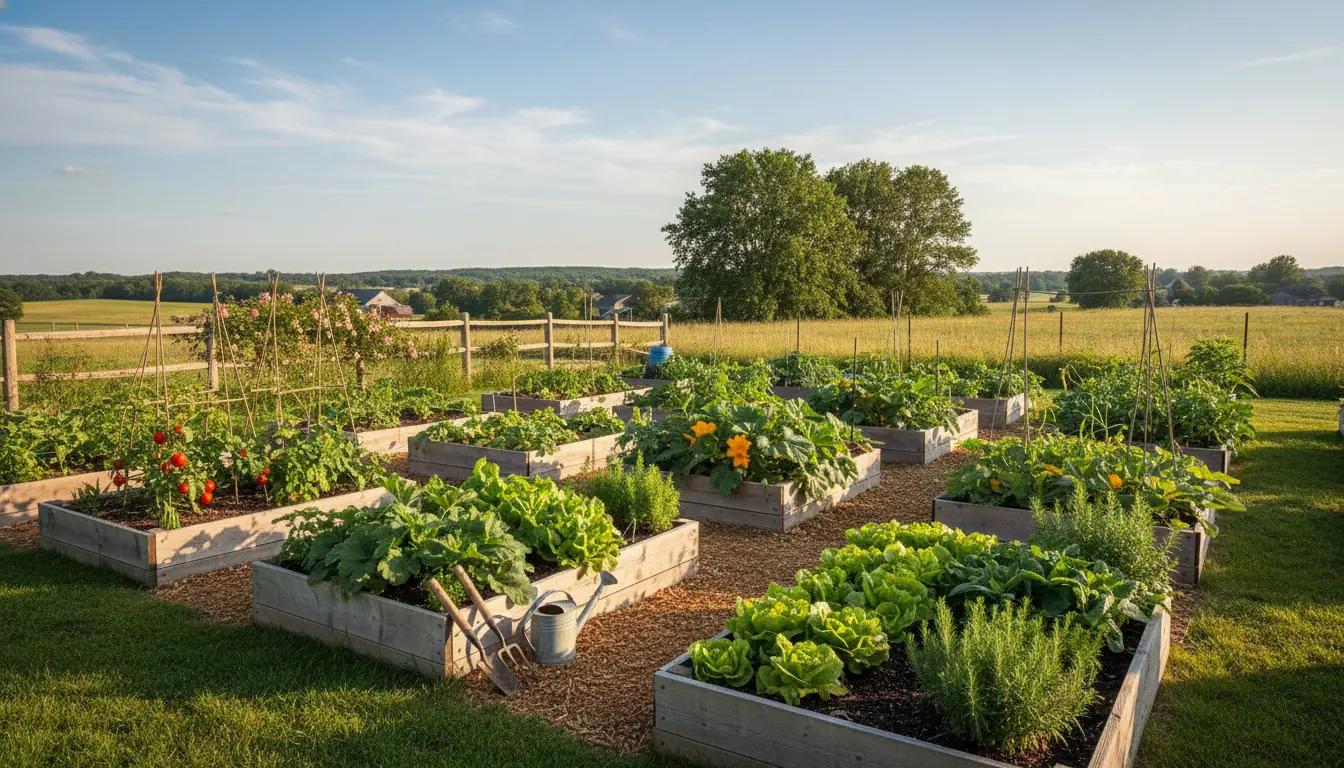
Small Case Study: A 10×10 Raised Bed
Emma converted a 10×10 foot unused lawn patch into a raised bed garden. She filled the bed with a 60/40 mix of topsoil and compost and planted tomatoes, bush beans, lettuce, and basil.
With weekly watering from a soaker hose and monthly compost top-dressings, Emma harvested fresh salad greens within six weeks and tomatoes by late summer. Pests were managed by handpicking and using row covers early in the season.
Seasonal Care for Your Vegetable Garden
Adjust care by season: spring is for soil work and early sowing, summer for watering and harvesting, fall for clearing and adding compost, and winter for planning next year.
Keep notes on what varieties performed well and what failed. A simple garden journal improves yields year after year.
Quick Examples of Planting Times
- Lettuce and radishes: sow in early spring and again in fall
- Tomatoes: start indoors or buy transplants after last frost
- Beans: sow after soil warms in late spring
Final Steps: Keep It Manageable and Enjoy
Start small to avoid overwhelm. A 4×4 or 10×10 bed produces plenty of vegetables for one household and is easy to maintain.
With basic planning, consistent watering, and simple soil care, even first-time gardeners can produce a steady supply of fresh vegetables within a single season.