
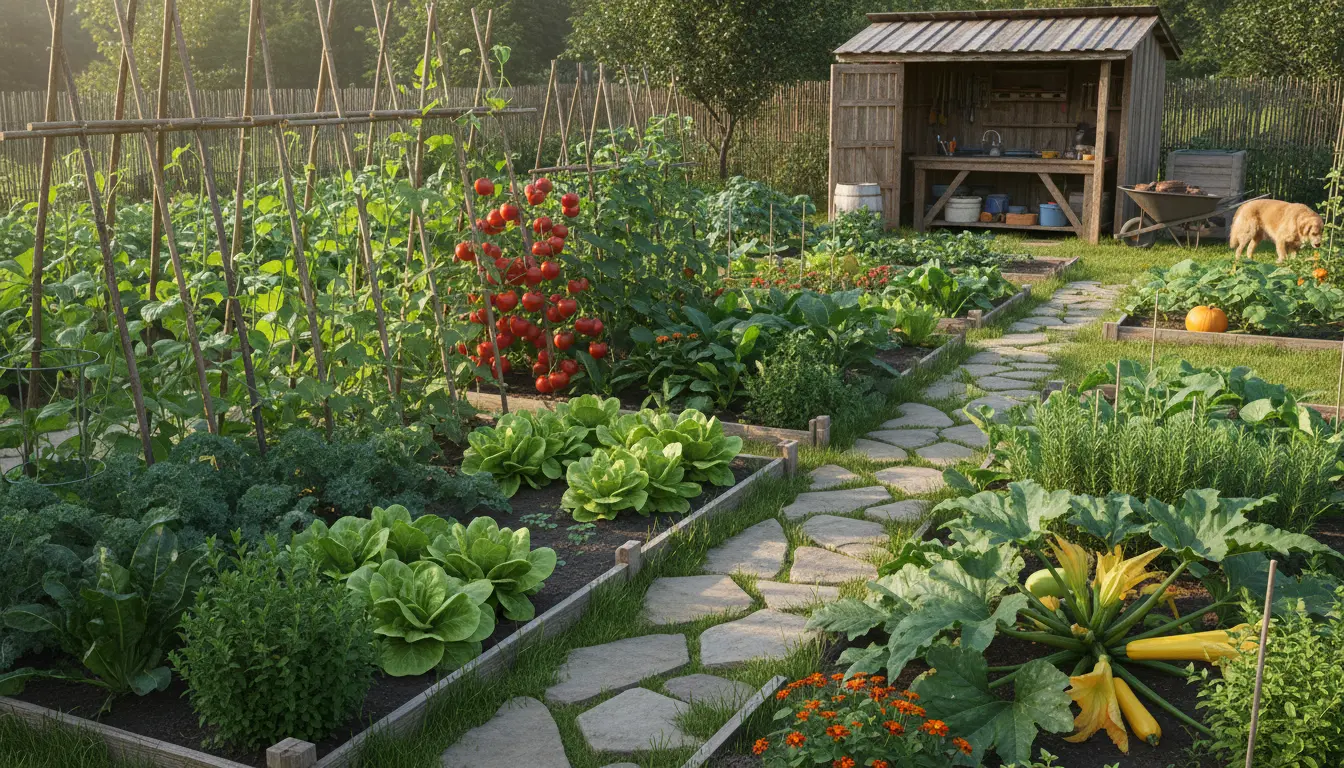
How to Start a Vegetable Garden: First Decisions
Starting a vegetable garden begins with a few basic decisions. Decide where you will plant, how much space you need, and what vegetables you want to grow.
These early choices shape your layout, soil needs, and schedule. Spend time planning before digging.
Choose a Location to Start a Vegetable Garden
Pick a spot with at least six hours of direct sunlight per day for most vegetables. Observe light patterns across the seasons.
Consider proximity to water, foot traffic, and nearby trees that compete for nutrients. Easy access makes daily care simpler.
Sun, Soil, and Water
Sun: Most vegetables need full sun. Leafy greens tolerate partial shade, but fruits like tomatoes need full sun.
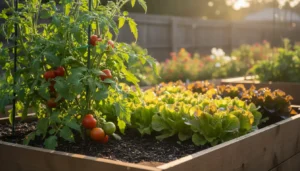
Soil: Good soil drains well and has organic matter. If your yard has heavy clay or poor soil, raised beds or containers are good options.
Water: Plan for convenient watering. A nearby hose, drip irrigation, or soaker hose saves time and reduces plant stress.
Plan Your Garden Layout
Plan the area in rows, raised beds, or containers depending on space and mobility. Raised beds are easier to manage for beginners.
Use these layout tips:
- Make beds no wider than 4 feet so you can reach the center from either side.
- Orient rows north-south for even sun distribution if possible.
- Group plants by water needs to simplify irrigation.
Companion Planting and Crop Rotation
Companion planting can reduce pests and improve yields. For example, basil near tomatoes may help flavor and deter pests.
Rotate crops annually to reduce disease buildup and nutrient depletion. Avoid planting the same family in the same spot two years in a row.
Prepare Soil When You Start a Vegetable Garden
Test your soil or observe its texture. A basic soil test helps determine pH and nutrient needs.
Improve soil with organic matter: compost, well-rotted manure, or leaf mold. Work amendments into the top 6–12 inches for established plots.
Using Raised Beds and Containers
For poor native soil, use raised beds filled with a mix of topsoil and compost. Containers should have good drainage and a quality potting mix.
Benefits: faster warming in spring, fewer weeds, and easier maintenance for small spaces.
Choose Vegetables to Grow
Start with easy, high-reward vegetables such as lettuce, radishes, beans, tomatoes, and zucchinis. Consider your climate and season length.
Tip: Grow what you eat. If your family loves salads, prioritize leafy greens and herbs.
Seed vs. Starts
Seeds are cheaper and offer more variety but take longer to mature. Starts (young plants) offer quick results for crops like tomatoes and peppers.
Use seeds for carrots, peas, and many greens. Use starts for warm-season crops if you want a head start.
Planting and Early Care
Follow planting depth and spacing guidelines on seed packets or plant tags. Overcrowding reduces air circulation and increases disease risk.
Mulch around plants to conserve moisture, suppress weeds, and regulate soil temperature.
Irrigation and Fertilizing
Water deeply and less often to encourage strong root systems. Most gardens need about 1 inch of water per week, adjusted for rainfall.
Fertilize based on soil test results. A balanced organic fertilizer or compost tea can support healthy growth without excess salts.
Pest and Disease Management
Use integrated pest management: monitor regularly, remove problem plants, and encourage beneficial insects. Physical barriers like row covers help control pests early in the season.
Practice good sanitation—remove diseased plant material and rotate crops to reduce outbreaks.
Harvesting and Ongoing Care
Harvest vegetables at peak ripeness for best flavor and to encourage continued production. Regular picking of beans and zucchinis keeps plants productive.
Keep beds tidy and continue adding compost each season. End-of-season cleanup prevents pests from overwintering.
Small Real-World Example
Case study: Maria, a first-time gardener, used a 4×8 raised bed on her apartment balcony. She chose lettuce, cherry tomatoes, and bush beans.
She started with quality potting mix and compost, used tomato cages, and installed a simple soaker hose. By the second month she was harvesting salads weekly, and by fall she had frozen beans for winter use.
Most vegetables will produce more if picked regularly. For example, harvesting lettuce leaves encourages new growth and extends the harvest period.
Quick Checklist to Start a Vegetable Garden
- Choose a sunny location near water.
- Decide on beds or containers based on soil quality.
- Improve soil with compost and test pH if possible.
- Start with easy crops you enjoy eating.
- Plan irrigation, mulching, and pest controls.
- Harvest regularly and add compost each season.
Final Tips When You Start a Vegetable Garden
Keep a short garden journal to track planting dates, varieties, and yields. Small notes help you improve year to year.
Start small and expand after you gain confidence. A manageable plot reduces overwhelm and increases the chance you will stick with it.