
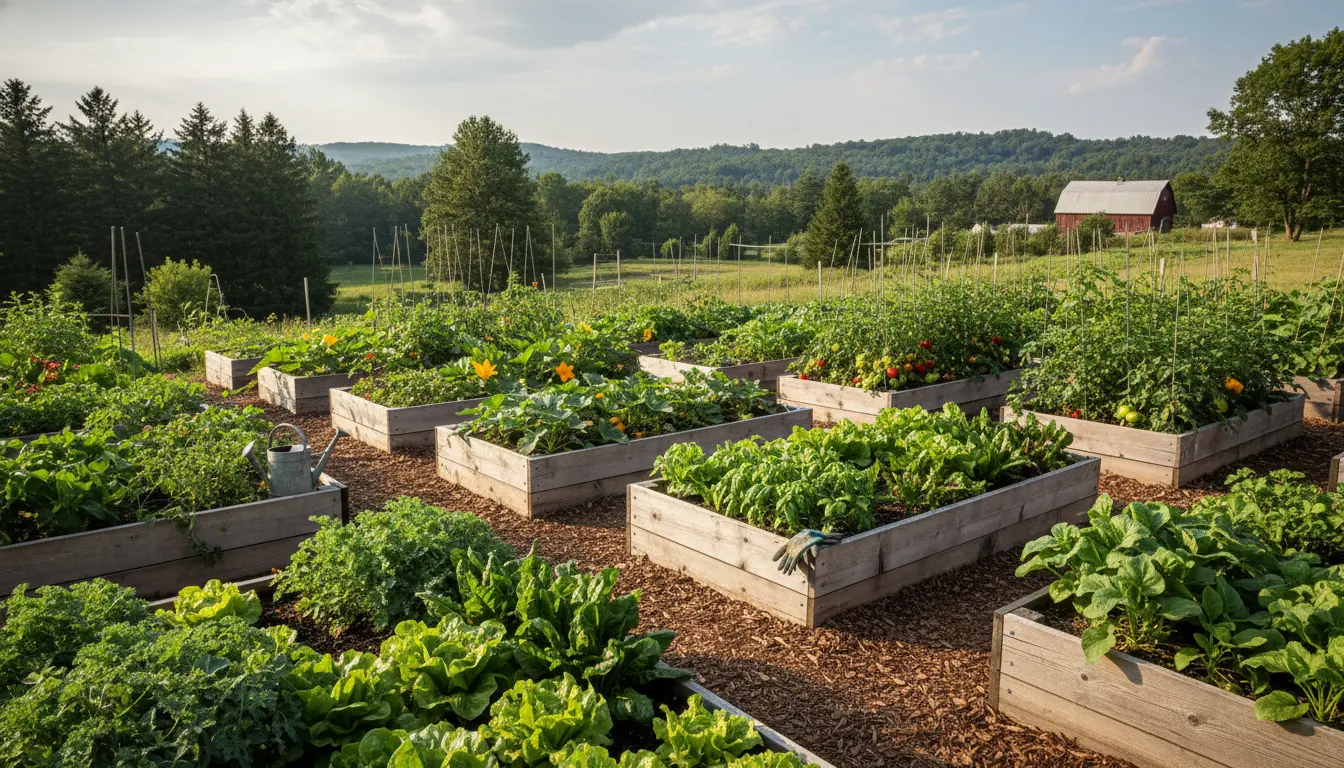
Starting a vegetable garden is a practical way to grow fresh produce, save money, and enjoy time outdoors. This guide gives clear, step-by-step instructions on how to start a vegetable garden that produces reliable harvests for beginners and busy gardeners.
Choose the Right Site to Start a Vegetable Garden
Sun exposure matters most when you start a vegetable garden. Pick a location that gets at least six hours of direct sunlight daily for most vegetables.
Also consider access to water and convenience. A garden near your kitchen will make regular care and harvesting easier.
Key site factors when starting a vegetable garden
- Sun: 6–8 hours of direct sun for tomatoes, peppers, and cucumbers.
- Water: Within reach of a hose or irrigation source.
- Drainage: Avoid low spots that collect water.
- Wind protection: Use fences or hedges if the area is very windy.
Prepare Soil Before You Start a Vegetable Garden
Good soil is the foundation of a productive vegetable garden. Test soil or check texture by hand: it should feel crumbly and hold shape when squeezed.
Amend soil with organic matter to improve fertility and structure. Compost and well-rotted manure are practical choices.
Soil steps to start a vegetable garden
- Test pH and nutrients or use a DIY kit.
- Add 2–3 inches of compost and work it into the top 6–8 inches.
- Use raised beds or mounded rows if drainage is poor.
Select Vegetables and Plan Planting
Choose vegetables that match your climate, soil, and available time. Start with easy crops like lettuce, radishes, beans, and tomatoes.
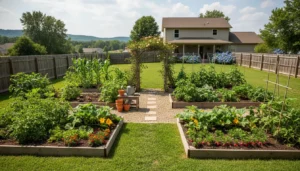
Plan a simple layout with rows or raised beds. Consider companion planting and spacing requirements for each crop.
Beginner-friendly vegetables to start a vegetable garden
- Leafy greens: lettuce, spinach, Swiss chard.
- Root crops: radish, carrot, beet.
- Fruiting plants: tomato, pepper, bush beans.
Planting Schedule and Methods
Use your local frost dates to time planting. Start seeds indoors for warm-season crops or sow directly for cool-season plants.
Follow seed packet instructions for depth and spacing. For transplants, avoid planting too deep; set seedlings at the same soil level they were growing in their pots.
Watering and Irrigation Tips
Consistent moisture supports steady plant growth. Water deeply and less frequently to encourage strong roots.
Use a drip irrigation system or soaker hoses to reduce evaporation and direct water to the root zone.
Watering schedule examples
- Seedlings: keep soil consistently moist, lightly every day if needed.
- Established vegetables: deep watering 1–2 times per week depending on weather.
- Mulch: apply 2–3 inches to reduce evaporation and suppress weeds.
Pest Control and Garden Maintenance
Monitor plants regularly for pests and diseases. Early detection makes small issues easy to fix.
Use integrated pest management: hand-pick pests, encourage beneficial insects, and use row covers or organic sprays when necessary.
Maintenance checklist when you start a vegetable garden
- Weed weekly to reduce competition.
- Prune or stake tall plants like tomatoes.
- Rotate crops yearly to reduce soil-borne diseases.
Harvesting and Storing Produce
Harvest vegetables at peak ripeness for best flavor and nutrition. Regular harvesting often encourages more production.
Store or preserve surplus by freezing, canning, or fermenting to extend the season.
Small Case Study: One-Season Balcony Success
Case: A city renter converted a 6×3 foot balcony into a container vegetable garden. They used three 2×1 foot raised planters and large pots for tomatoes.
After soil amendment and weekly care, the garden produced enough salad greens and five tomato harvests across the season. The gardener saved about $120 in store-bought produce and learned timing for planting and watering in a compact space.
Many common vegetables will tolerate 6 hours of sun and still produce well. Leafy greens often prefer a bit more shade during hot afternoons.
Troubleshooting Common Problems
Yellow leaves can indicate nutrient deficiency or overwatering. Test soil and adjust watering before adding fertilizer.
Poor fruit set on tomatoes may be due to high heat or inconsistent watering. Provide shade in extreme heat and maintain steady moisture.
Final Tips for Ongoing Success
Start small and expand as you learn. A manageable garden is easier to maintain and less likely to be neglected.
Keep a garden journal to track planting dates, varieties, and yields. Over time this record will improve planning and success.
Follow these steps to start a vegetable garden with confidence. With consistent care and simple planning, you can enjoy fresh, homegrown produce from your own space.