
Getting started with a vegetable garden
Starting a vegetable garden is a manageable project for most homeowners and renters. With a little planning and consistent care you can grow fresh produce at home.
How to start a vegetable garden: choose the right spot
Location matters more than fancy tools. Pick a place that gets at least 6 hours of direct sunlight and has good drainage.
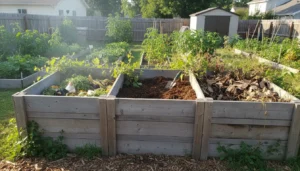
Consider nearby water access, ease of reaching the beds, and proximity to pests like bird feeders. Sun and water are the two most important site factors when you start a vegetable garden.
Sunlight and space when you start a vegetable garden
Most vegetables need full sun. If your yard has shaded areas, choose leafy greens and root crops for those spots.
Measure the available space and plan beds that are no wider than 4 feet so you can reach the center easily from both sides.
Plan what to grow in your vegetable garden
Start with 4–6 crops you and your family eat often. Focus on high-yield, low-maintenance plants for your first season.
- Tomatoes, peppers, and salad greens for summer.
- Carrots, beets, and onions for spring and fall.
- Herbs like basil, parsley, and chives for continuous harvests.
Use seed packets and plant labels to track planting dates and spacing. A small, focused garden gives faster success and motivation.
Soil and compost: the foundation to start a vegetable garden
Good soil makes gardening easier. Test your soil pH and texture, then add organic matter to improve structure and nutrients.
Common improvements include adding compost, aged manure, and a balanced organic fertilizer. Aim for a loose, friable soil that drains well but retains moisture.
Simple soil test and amendment steps
- Collect a sample from 4–6 inches deep in several spots and mix.
- Use a basic home pH test kit or send a sample to a local extension service.
- Add compost at a rate of 2–3 inches over the bed and mix into the top 6–8 inches.
Planting schedule and techniques to start a vegetable garden
Planting on time increases yield and reduces pest problems. Use a local frost-date calendar to schedule seeds and transplants.
Sow seeds directly for root crops and many greens. Use transplants for long-season crops like tomatoes and peppers.
Spacing and depth tips
Follow packet instructions for spacing and depth. Crowding increases disease risk and reduces yields.
- Thin seedlings rather than transplanting crowded ones late.
- Mulch around plants to conserve moisture and reduce weeds.
Watering and feeding your vegetable garden
Consistent moisture is key for steady growth. Deep, infrequent watering encourages strong roots.
Use drip irrigation or a soaker hose to keep leaves dry and reduce disease risk. Water early in the day so foliage dries before evening.
Fertilizing basics
Use a balanced organic fertilizer at planting and side-dress during the season for heavy feeders like tomatoes. Avoid over-fertilizing leafy crops if you want better fruit production.
Maintenance and pest control for your vegetable garden
Routine checks reduce surprises. Walk the garden weekly to look for pests, nutrient deficiencies, and watering issues.
Use these practical strategies for pest control:
- Hand-pick large pests like slugs and caterpillars.
- Use row covers to protect young plants from insects and birds.
- Encourage beneficial insects with flowering herbs and companion plants.
Adding a single inch of compost to one square yard of soil can increase water retention by over 20 percent and improve nutrient availability.
Small real-world case study
Case study: Maria in Austin turned a 6 x 4 foot raised bed into a productive garden in one season. She chose tomatoes, bush beans, basil, and leaf lettuce.
By testing and amending her soil once, using drip irrigation, and rotating crops, she harvested tomatoes for four months and saved over $200 in store-bought produce. The focused plant selection and weekly checks kept problems small and manageable.
Seasonal checklist to start a vegetable garden
Use this quick checklist when planning and maintaining your garden:
- Choose a sunny spot and measure available space.
- Test and amend soil with compost and organic fertilizer.
- Select 4–6 crops suited to your climate and schedule.
- Plant on recommended dates and water deeply twice a week.
- Mulch beds and inspect plants weekly for pests and disease.
Common mistakes to avoid when you start a vegetable garden
Avoid these common errors to save time and frustration. First, don’t plant too many different crops at once; it complicates care.
Second, don’t ignore soil health. Poor soil leads to weak plants and more pest trouble. Finally, don’t skip regular harvesting—ripe plants often produce more.
Final tips for success
Start small, keep a planting log, and learn from each season. Gardening skills improve quickly with regular attention and a willingness to adjust.
With consistent care and simple planning you can reliably grow produce, reduce grocery costs, and enjoy fresher meals from your own backyard.