
Choose Where to Start a Vegetable Garden
Pick a location that gets at least 6 hours of direct sunlight a day for most common vegetables. Sunlight determines what you can grow and how well plants will produce.
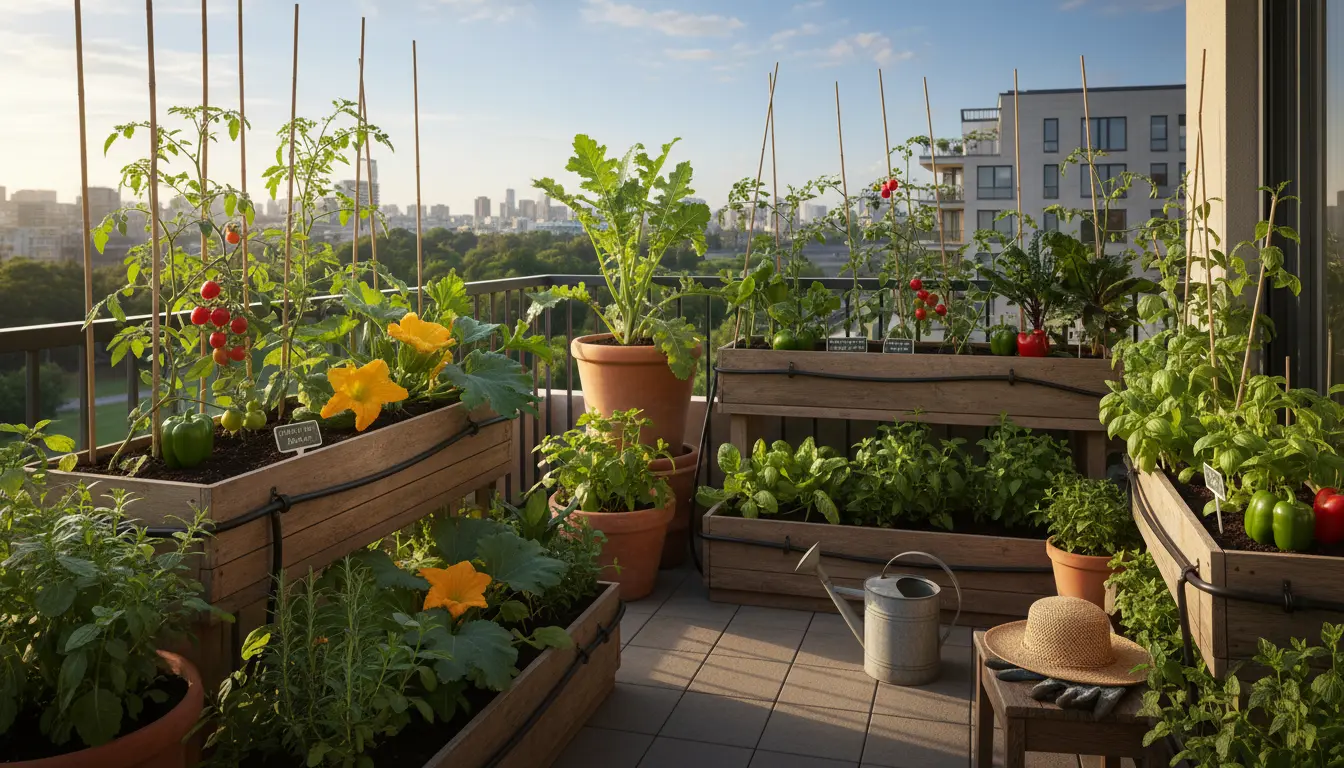
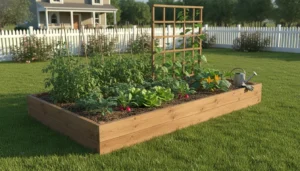
Consider access to water, flat ground for even drainage, and protection from strong winds. If you have limited space, a raised bed or balcony containers are valid options.
Plan What to Grow When You Start a Vegetable Garden
Select vegetables that match your climate, available space, and skill level. Start with easy, productive crops like lettuce, radishes, tomatoes, and beans.
Group plants by similar water and sunlight needs. This simplifies care and reduces stress on the plants.
Season and Crop Choices
Decide whether you are planting cool-season crops (lettuce, peas, spinach) or warm-season crops (tomatoes, peppers, cucumbers). Stagger planting times for continuous harvest.
Use a simple planting calendar: cool-season before last frost, warm-season after last frost. Check local frost dates online or from a local extension service.
Prepare Soil and Beds to Start a Vegetable Garden
Good soil is the foundation of a productive garden. Most vegetables prefer loose, well-draining soil rich in organic matter.
Test your soil pH and nutrients with a kit or local extension service. Aim for a pH near 6.0–7.0 depending on the crop.
Easy Soil Improvement Steps
- Add 2–4 inches of compost annually to improve structure and fertility.
- Use compost or aged manure rather than fresh manure to avoid burning plants.
- In heavy clay, mix in coarse sand and organic matter for better drainage.
- For raised beds, use a mix of topsoil, compost, and coconut coir or peat for moisture retention.
Planting Basics When You Start a Vegetable Garden
Follow seed packet or plant tag spacing and depth instructions to avoid crowded plants. Proper spacing reduces disease and improves airflow.
Start with transplants for crops like tomatoes and peppers to get an early harvest; sow direct for root vegetables and brassicas.
Planting Tips
- Water seeds gently after planting to settle soil and start germination.
- Thin seedlings if too crowded—keep the healthiest individuals.
- Mulch around plants to conserve moisture and suppress weeds.
Watering and Feeding Your Garden
Water deeply and less often to encourage strong root growth. Shallow, frequent watering leads to weak, shallow roots.
Use drip irrigation or soaker hoses to deliver water at the soil level and reduce foliage wetness. Water in the morning when possible.
Fertilization Guidelines
Start with a balanced organic fertilizer or slow-release granular feed. Follow label rates—overfeeding causes lush foliage and few fruits.
Side-dress heavy feeders like corn or tomatoes with compost or a nitrogen-rich fertilizer mid-season if growth slows.
Pest, Disease, and Weed Control
Monitor plants weekly for signs of pests and disease. Early detection makes control easier and less chemical-dependent.
Use physical barriers like row covers for insects, and remove diseased leaves promptly. Encourage beneficial insects by planting herbs and flowers nearby.
Simple Organic Controls
- Handpick larger pests like slugs and caterpillars in the evening.
- Use insecticidal soap for soft-bodied insects on contact.
- Practice crop rotation to reduce soil-borne diseases.
Adding a 2–3 inch layer of compost as mulch not only feeds plants but can reduce watering needs by up to 50 percent in hot weather.
Maintenance: Pruning, Staking, and Harvesting
Stake tall crops like tomatoes early to prevent root disturbance later. Remove lower leaves on tomato plants to improve air circulation.
Harvest regularly to encourage more production. Pick lettuce leaves and herbs frequently; harvest tomatoes when fully colored and slightly soft.
Record Keeping
Keep a simple notebook of planting dates, varieties, and yields. Small records help you refine timing and variety choices next season.
Real-World Example: Small Balcony Success
Case study: Maria had a north-facing balcony with 5 hours of sun. She chose compact tomatoes, leaf lettuce, and dwarf peppers suited to partial sun.
Maria used three 12-inch containers, a high-quality potting mix with compost, and a drip irrigation timer. By spacing plantings and mulching, she harvested salad greens within four weeks and tomatoes by midsummer.
This example shows that limited space and light can still produce useful yields with the right plant choices and care.
Final Checklist to Start a Vegetable Garden
- Select a sunny, accessible site or container setup.
- Choose beginner-friendly crops suited to your season.
- Improve soil with compost and test pH if possible.
- Plant with correct spacing, water deeply, and mulch.
- Monitor pests and diseases and keep simple records.
Starting a vegetable garden is a step-by-step process. By focusing on light, soil, and consistent care, you can build a productive garden that fits your lifestyle and space.