
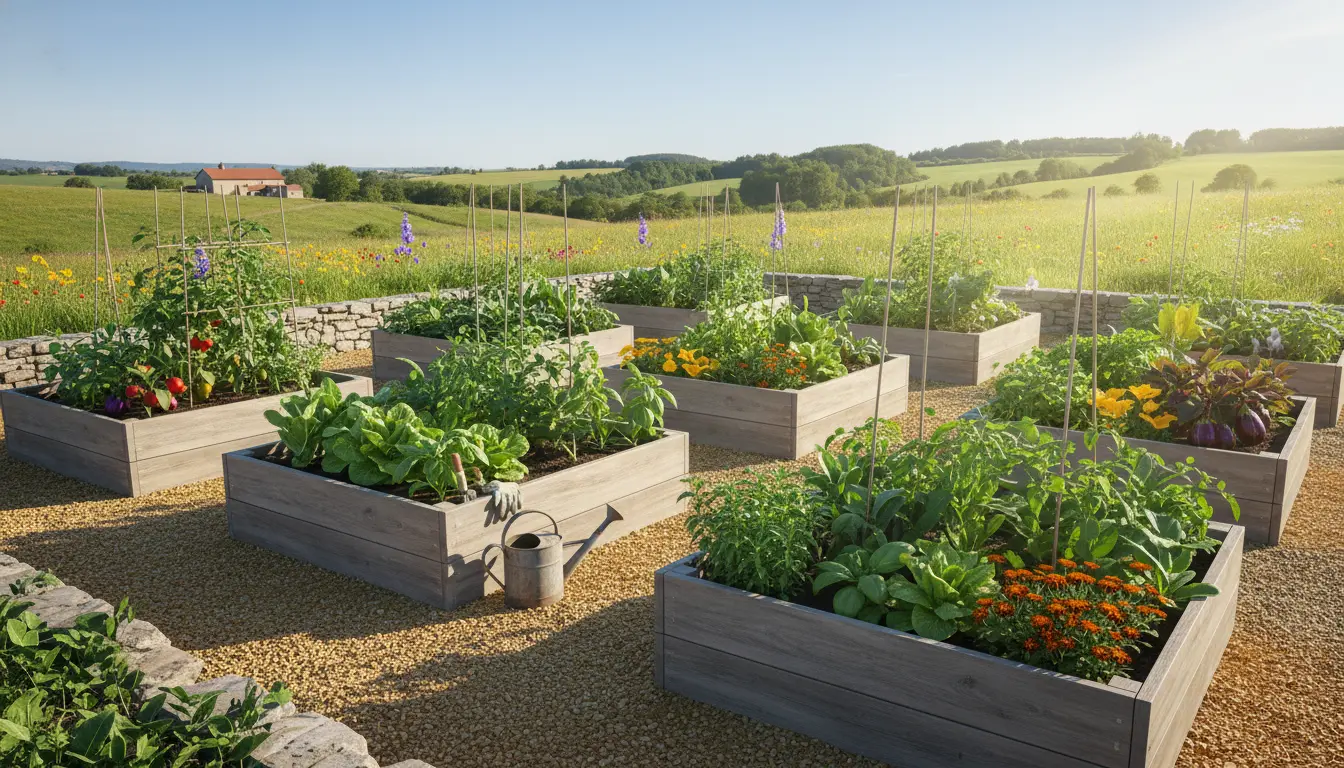
Start a Vegetable Garden: Plan Before You Plant
Starting a vegetable garden begins with planning. A clear plan saves time and prevents common mistakes such as poor site choice or overcrowding.
Decide what you want to grow and how much time you can commit. This will guide bed size, plant choices, and maintenance routines.
How to Start a Vegetable Garden: Choose the Right Location

Sunlight is the most important factor for most vegetables. Aim for a spot with at least 6 to 8 hours of direct sun per day.
Consider proximity to water and access for routine care. A level area with good drainage reduces work and plant stress.
Site factors to check
- Sun exposure across the growing season
- Soil drainage and slope
- Wind exposure and shelter
- Access to a water source
- Ease of access for weeding and harvesting
How to Start a Vegetable Garden: Prepare Your Soil
Healthy soil is the foundation of a productive garden. Test soil pH and basic nutrients using a home kit or local extension service.
Amend soil based on results. Most vegetables prefer a slightly acidic to neutral pH (6.0–7.0) and fertile, well-draining soil.
Basic soil preparation steps
- Clear weeds and debris from the site.
- Loosen soil to 8–12 inches for dug beds or build raised beds for poor soil.
- Work in compost (2–4 inches) and a balanced granular fertilizer if needed.
- Mulch after planting to retain moisture and suppress weeds.
How to Start a Vegetable Garden: Choose Easy Plants for Beginners
Start with vegetables that are forgiving and quick to harvest. These build confidence and provide faster rewards.
Good beginner choices include lettuce, radishes, bush beans, cherry tomatoes, and zucchini.
Planting schedule and spacing
- Follow seed packet or transplant label spacing to avoid crowding.
- Stagger plantings every 2–3 weeks for continuous harvests.
- Use companion planting to maximize space and reduce pests.
How to Start a Vegetable Garden: Watering and Feeding

Consistent moisture is crucial. Water deeply and less often to encourage strong roots instead of frequent shallow watering.
Feed plants with a fertilizer suited to vegetables: higher nitrogen early for leafy crops, balanced feeds for fruiting plants.
Watering tips
- Water at the base of plants to keep foliage dry and reduce disease.
- Use a soaker hose or drip irrigation to save water and time.
- Mulch to reduce evaporation and moderate soil temperature.
How to Start a Vegetable Garden: Pest and Disease Basics
Preventative measures are more effective than treatments. Keep plants healthy and rotate crops to reduce pest buildup.
Inspect plants weekly for early signs of trouble and remove affected leaves or plants promptly.
Simple pest controls
- Hand-pick large pests like cabbage worms.
- Use row covers to protect young crops from insects.
- Encourage beneficial insects with flowering herbs and native plants.
How to Start a Vegetable Garden: Small Real-World Case Study
Case study: In Portland, Oregon, a beginner gardener named Maya converted a 4×8 ft raised bed beside her house. She chose cherry tomatoes, basil, lettuce, and bush beans.
After testing soil and adding compost, Maya planted in early May. She used a soaker hose, staggered her lettuce plantings, and harvested continuously through September. Her yield paid for the initial soil amendments in the first season and provided weekly fresh salads.
How to Start a Vegetable Garden: Ongoing Care and Harvest
Weeding, monitoring moisture, and periodic feeding are the main ongoing tasks. A short weekly routine keeps the garden productive without much effort.
Harvest regularly; many vegetables produce more when picked frequently. Read each crop’s harvest cues to avoid overripe produce.
Season extension and next steps
- Use row covers or cloches to extend the season in spring and fall.
- Save seeds from open-pollinated varieties for next year.
- Keep notes on what worked and what didn’t to refine next season’s plan.
How to Start a Vegetable Garden: Quick Checklist
- Choose a sunny, level site near water.
- Test and amend soil; add compost.
- Pick easy, high-reward plants for your first season.
- Plant with correct spacing and stagger sowings.
- Water deeply, mulch, and monitor for pests.
Starting a vegetable garden is a manageable project with predictable steps. Follow the plan, learn from each season, and gradually expand as skills and confidence grow.