
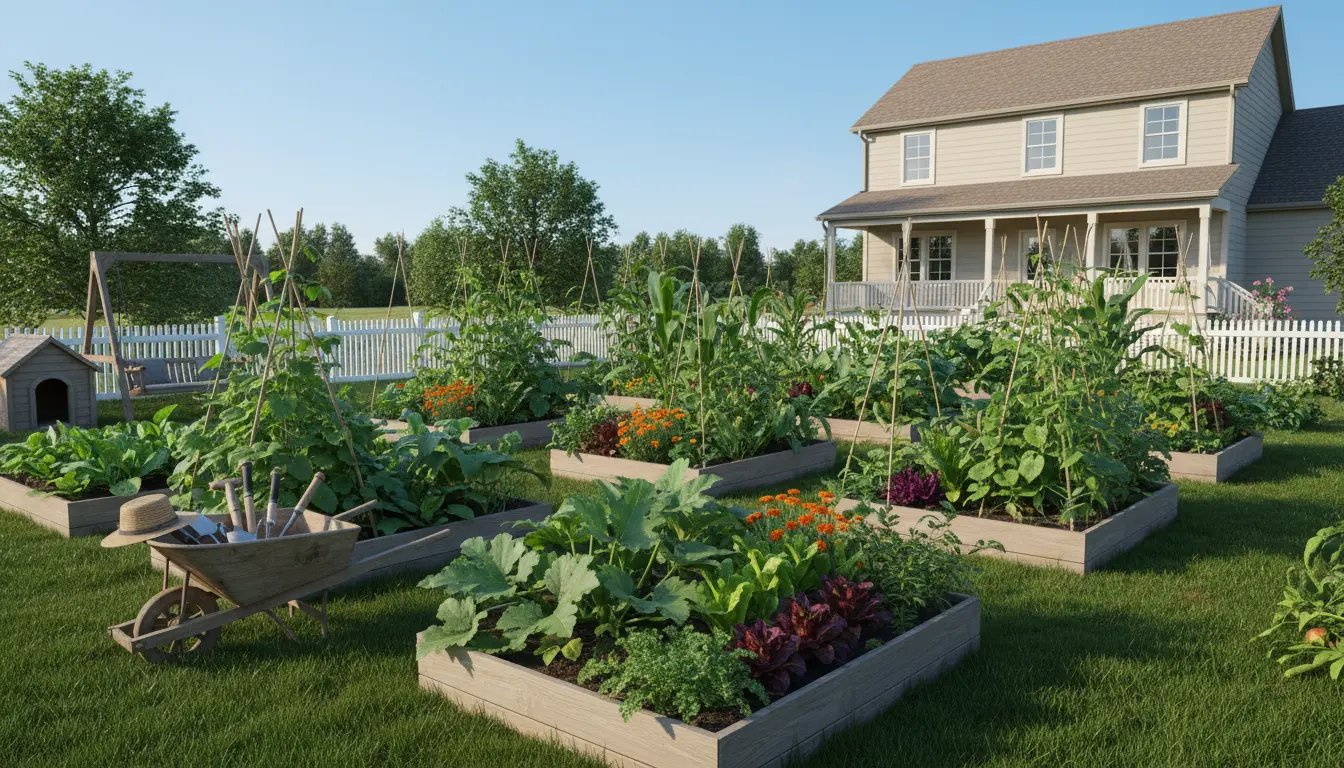
Planning to Start a Vegetable Garden
Decide why you want to start a vegetable garden and what you want to grow. Choose easy, high-yield vegetables like tomatoes, lettuce, beans, and peppers if you are a beginner.
Assess sunlight, space, and time available. Most vegetables need 6–8 hours of direct sun each day, so site selection is the first practical step.
Choosing the Right Spot to Start a Vegetable Garden

Pick a spot with good drainage and easy access to water. Raised beds, containers, or a section of lawn turned to beds are common options.
Make a simple map of the space: note shaded areas, water spigots, and likely foot traffic to keep the garden productive and low-maintenance.
Soil Preparation When You Start a Vegetable Garden
Soil is the foundation of a successful garden. Test the soil pH and texture to decide what amendments are needed. A simple home test or a local extension service can help.
Improve soil structure with organic matter like compost or well-rotted manure. Work amendments into the top 6–8 inches of soil for most vegetables.
Basic Soil Steps
- Remove large stones and weeds from the planting area.
- Mix 2–4 inches of compost into the topsoil.
- Add lime only if a soil test shows low pH; add sulfur if pH is too high.
- Consider a starter fertilizer high in phosphorus for root development.
Plant Selection and Timing to Start a Vegetable Garden
Choose varieties suited to your climate and season. Check the first and last frost dates for your area and plan a planting calendar.
Start seeds indoors for slow-growing crops like tomatoes and peppers, and sow quick crops like radish and lettuce directly outdoors.
Examples of Timing
- Cool-season crops (lettuce, spinach, peas): plant in early spring or late summer.
- Warm-season crops (tomatoes, cucumbers, peppers): plant after last frost.
- Succession planting: sow small amounts every 2–3 weeks for continuous harvest.
Planting Techniques for a Vegetable Garden
Follow seed packet or plant tag spacing and depth instructions. Overcrowding reduces yield and increases disease risk.
Use mulch to suppress weeds and conserve moisture. Organic mulches like straw or shredded leaves also add organic matter as they break down.
Irrigation and Watering Tips
Water deeply and less often to encourage strong root growth. Aim for consistent moisture, especially during flowering and fruit set.
Drip irrigation or soaker hoses are more efficient than overhead watering and reduce leaf wetness that leads to disease.
Pest and Disease Management When You Start a Vegetable Garden
Use integrated pest management (IPM) to reduce chemical reliance. Monitor plants regularly and remove pests by hand when possible.
Rotate crops annually to reduce soil-borne diseases and pest build-up. Companion planting can help deter specific pests.
Practical IPM Steps
- Inspect plants weekly for early signs of pest or disease.
- Use row covers for early season protection against insects.
- Encourage beneficial insects with flowers like marigolds and dill.
Crop rotation and adding compost can increase vegetable yields by improving soil structure and reducing pathogens.
Maintenance and Harvest Tips for a Vegetable Garden
Keep beds tidy by weeding and pruning regularly. Mulch and consistent watering reduce stress on plants and improve yields.
Harvest regularly to encourage continued production. Pick vegetables when they are mature but still tender for best flavor.
Harvesting Examples
- Tomatoes: harvest when firm and fully colored for best taste.
- Lettuce: pick outer leaves for cut-and-come-again harvesting.
- Beans: harvest when pods are firm but before seeds bulge for tenderness.
Small Real-World Example
Case study: A small urban plot turned productive. Sarah, a beginner, converted a 10-by-6 foot raised bed and followed the steps above.
She added compost, planted tomatoes, lettuce, and bush beans, and used drip irrigation. By the second season she tripled her harvest and had enough salad greens most weeks.
Common Mistakes to Avoid When You Start a Vegetable Garden
- Planting too close together — reduces airflow and increases disease.
- Ignoring soil testing — may lead to nutrient imbalances and poor yields.
- Overwatering — causes root rot and nutrient leaching.
Final Checklist to Start a Vegetable Garden
- Choose a sunny site and sketch a simple layout.
- Test and amend soil with compost and necessary nutrients.
- Pick appropriate varieties and plan planting dates.
- Install a simple irrigation method and mulch beds.
- Monitor pests and rotate crops each season.
Starting a vegetable garden is a step-by-step process. With planning, good soil, and regular care, even a small space can produce a steady supply of fresh vegetables.