
Getting started with a vegetable garden
Starting a vegetable garden is a practical way to grow fresh food, save money, and learn useful skills. This guide gives clear steps you can follow whether you have a small patio or a backyard plot.
Choose the right spot to start a vegetable garden
Location matters. Pick a place that gets at least 6 hours of direct sunlight a day for most vegetables.
Avoid low spots that stay wet. Good drainage and easy access to water will save time and reduce problems later.
Sunlight, soil, and space
- Sunlight: 6–8 hours of sun is ideal for tomatoes, peppers, and most vegetables.
- Soil: Loamy soil with good organic content is best. If soil is poor, consider raised beds or containers.
- Space: Decide plant spacing before buying seeds or seedlings to avoid overcrowding.
Plan what to plant when you start a vegetable garden
Start with a short list of easy crops and plant only what you will use. This reduces waste and keeps the garden manageable.
Easy vegetables for beginners
- Leafy greens: lettuce, spinach, and Swiss chard mature fast and tolerate crowding.
- Root vegetables: radishes and carrots are low maintenance in loose soil.
- Nightshades: tomatoes and peppers reward consistent care and warm conditions.
- Beans and peas: good for adding nitrogen to the soil and easy to harvest.
Prepare soil and beds before you start a vegetable garden
Healthy soil is the foundation of a productive garden. Improve native soil with compost, or use a good potting mix for containers.

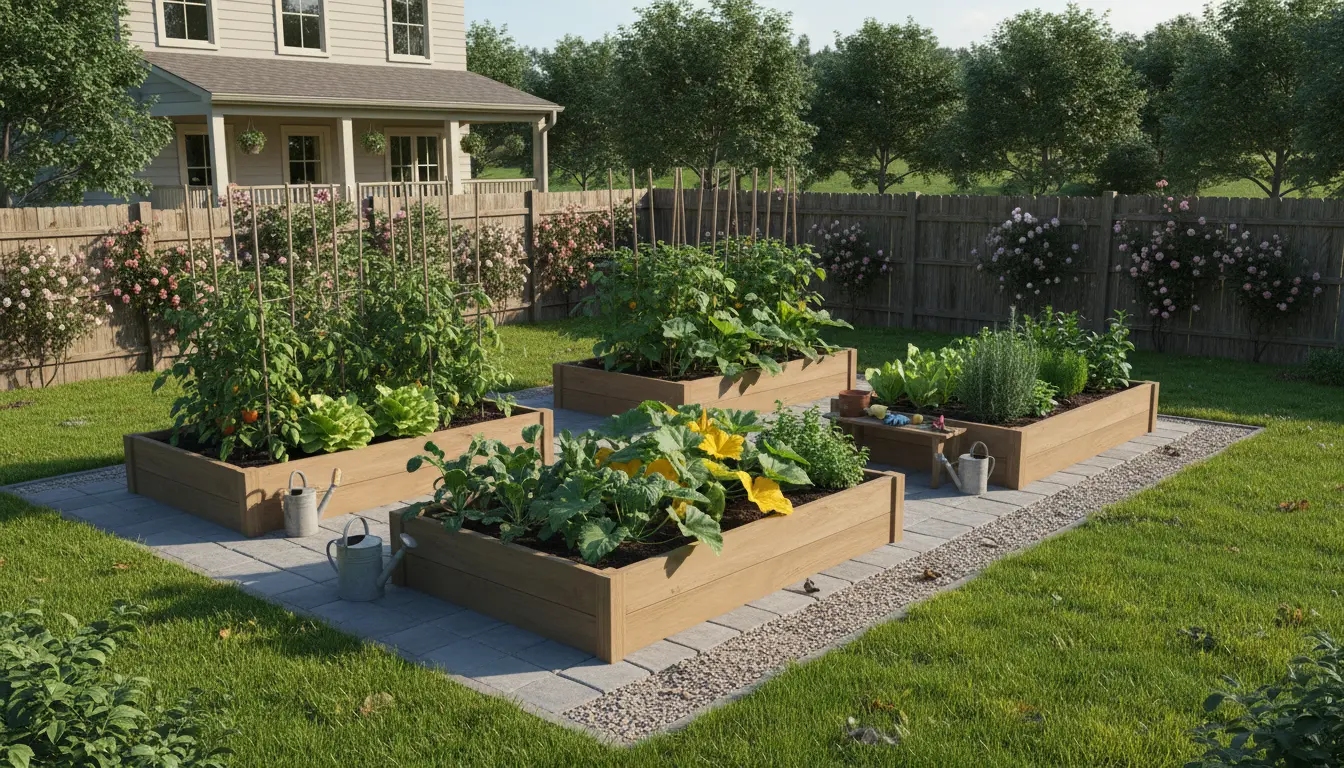
Raised beds warm faster in spring and reduce compaction. They also make soil amendments easier to manage.
Simple soil test and amendment steps
- Test pH with a home kit: most vegetables prefer pH 6.0–7.0.
- Add compost: work in 2–4 inches of compost to improve structure and nutrients.
- Loosen compacted soil to a depth of 8–12 inches for roots to grow.
Planting and maintenance for a healthy vegetable garden
Plant at the right time for your climate and follow spacing on seed packets or plant tags. Proper spacing improves air flow and reduces disease risk.
Routine maintenance keeps plants productive. Tasks include watering, weeding, mulching, and watching for pests.
Watering, mulching, and pest control
- Water deeply once or twice a week rather than shallow daily sprinkling.
- Mulch with straw or wood chips to retain moisture and suppress weeds.
- Scout weekly for pests. Hand-pick insects, use row covers, or choose organic controls when needed.
Watering schedule example
- New seedlings: keep soil consistently moist for the first 2–3 weeks.
- Established plants: water deeply 1–2 times per week depending on weather.
- Hot, dry spells: increase frequency but maintain deep watering to encourage strong roots.

Adding a 2–3 inch layer of compost each year can increase soil organic matter and water retention, often improving yields in the first season.
Small case study: Sarah’s raised bed vegetable garden
Sarah converted a 10×4 ft unused lawn area into two raised beds. She filled them with a mix of local topsoil and compost and planted tomatoes, lettuce, and bush beans.
Within eight weeks she had regular salads from lettuce and a mid-summer tomato harvest. Her key choices were proper spacing, regular mulching, and a drip irrigation line that saved time and water.
Harvesting and season extension tips
Pick vegetables when they are ripe to encourage continued production. Regular harvesting of leaves and fruits often boosts yields.
To extend the season, use row covers, cold frames, or plant later-season varieties. Succession planting keeps beds productive through the growing season.
Quick checklist to start a vegetable garden
- Choose a sunny, well-drained site with water access.
- Decide between in-ground, raised beds, or containers.
- Improve soil with compost and perform a simple pH test.
- Select 4–6 easy crops suited to your season and needs.
- Follow spacing, water deeply, mulch, and scout for pests weekly.
Final practical tips
Start small and expand after your first season. Track what works in a notebook: planting dates, varieties, and yields will help you improve each year.
Growing food is a learning process. With a few practical steps you can start a vegetable garden that provides fresh produce and a satisfying hobby.