
How to Start a Vegetable Garden: First Steps
Starting a vegetable garden begins with choosing the right spot. Pick a place that gets 6 to 8 hours of sunlight and has good drainage.
Consider access to water and convenience. A nearby water source and easy access make maintenance simpler.
Choose the Right Location for Your Vegetable Garden
Sunlight is the most important factor when you start a vegetable garden. Most vegetables need full sun to produce well.
Avoid low spots that collect water and places shaded by trees. If space is limited, use containers or raised beds.
How to Start a Vegetable Garden: Soil and Bed Preparation
Healthy soil is the foundation of a productive garden. Test your soil or assume it needs improvement if it is compacted or sandy.
Amend soil with compost and aged manure to improve texture and fertility before planting.
Prepare Beds and Containers
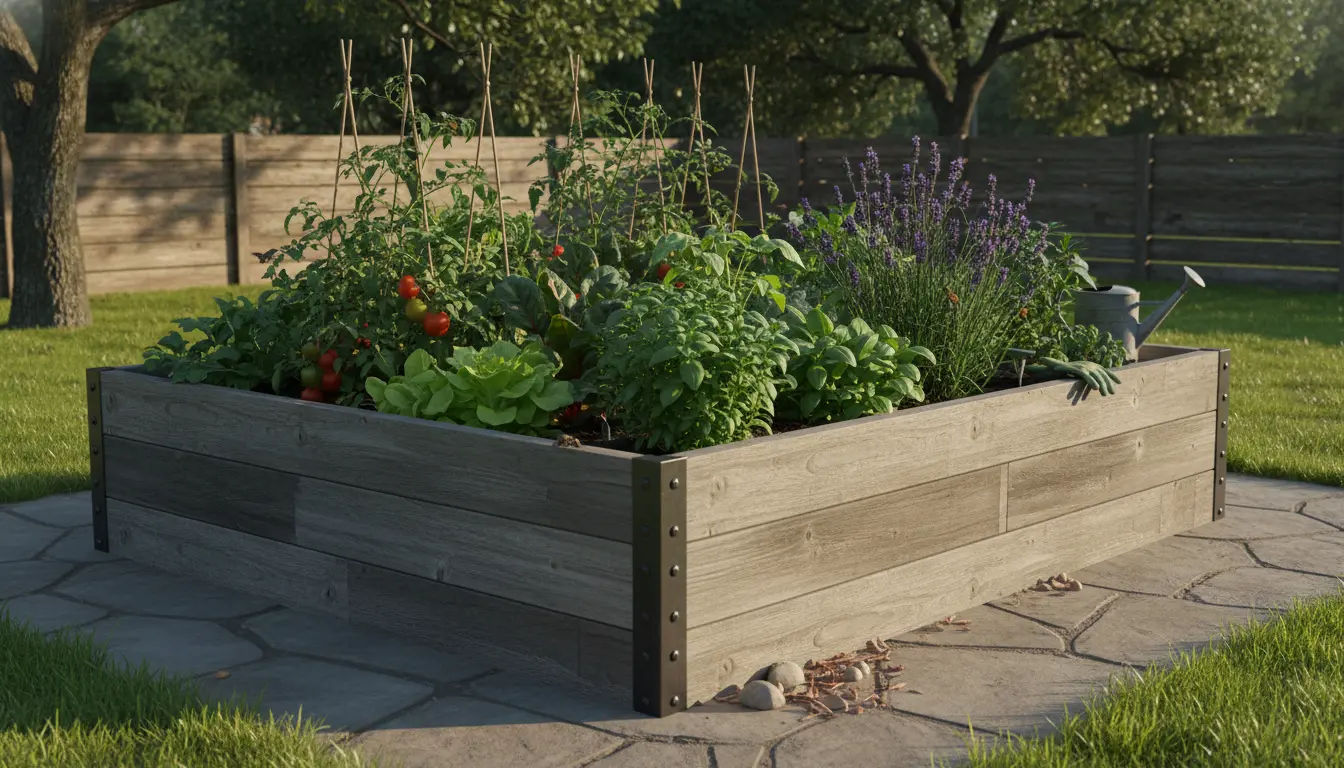
Raised beds warm faster in spring and drain better than in-ground beds. For containers, use a quality potting mix with added compost.
- Loosen soil to at least 8-12 inches for root crops.
- Mix in 2-3 inches of compost before planting.
- Set up pathways to avoid compacting beds.
How to Start a Vegetable Garden: What to Plant First
Start with easy, fast-growing vegetables to build confidence. Choose varieties suited to your climate and season.
Beginner-friendly picks include lettuce, radishes, spinach, cherry tomatoes, and bush beans.
Plan for Success
Use succession planting to maximize harvests. Plant a new row of lettuce every 2-3 weeks for continuous greens.
Group plants with similar water and sunlight needs together to simplify care.
Planting, Watering, and Care
Plant at the recommended spacing and depth shown on seed packets or plant tags. Crowding reduces airflow and increases disease risk.
Water deeply and less often to encourage strong roots. Water in the morning when possible to reduce fungal problems.
Mulch, Fertilize, and Monitor
Apply a 2-3 inch layer of organic mulch to conserve moisture and suppress weeds. Replenish mulch as it breaks down.
Feed plants with a balanced organic fertilizer according to crop needs. Monitor for pests and diseases early to act fast.
How to Start a Vegetable Garden: Seasonal Tips
Adjust what you plant by season. Cool-season crops like peas and broccoli do well in spring and fall.
Warm-season crops such as tomatoes, peppers, and squash need warm soil and air to thrive.
Extend the Season
Use row covers, cloches, or cold frames to start earlier or extend harvests into cooler months. Shade cloth helps in extreme heat.
Pest and Disease Basics for New Gardeners
Prevention is simpler than treatment. Rotate crops, use clean tools, and avoid overhead watering to reduce disease pressure.
Encourage beneficial insects with flowering herbs and companion planting. Handpick large pests like cabbage loopers.
Simple Organic Controls
- Use neem oil or insecticidal soap for soft-bodied pests.
- Apply diatomaceous earth at the base of plants for slugs and beetles.
- Introduce row covers to protect young plants from insects and birds.
Many common vegetables yield in less than 60 days. Radishes can be ready in as little as 21 days, making them great for quick results and learning.
Small Real World Example: A Balcony Garden Case Study
Maria had a small south-facing balcony and no yard. She started with two 12-inch containers and a 4×2 foot raised bed box.
She planted cherry tomatoes, basil, lettuce, and radishes. Within eight weeks she harvested salad greens and used basic drip irrigation for easy watering.
Her key wins were choosing compact varieties, using good potting mix, and watering consistently in the morning.
Common Mistakes When You Start a Vegetable Garden
- Planting too densely, which increases pest and disease issues.
- Overwatering or shallow watering that weakens roots.
- Neglecting soil health and skipping compost additions.
Quick Checklist for Beginners
- Pick a sunny site with easy water access.
- Amend soil with compost before planting.
- Choose 3 to 5 easy vegetables to start.
- Water deeply, mulch, and monitor weekly.
Final Tips for How to Start a Vegetable Garden
Start small and expand as you learn. A compact, well-tended plot will teach more than a large neglected one.
Keep a simple garden journal to note planting dates, varieties, and harvests. That record helps improve results each season.
With basic planning, good soil, and consistent care, anyone can start a vegetable garden and enjoy homegrown produce quickly.