
Starting a vegetable garden is an achievable project for most people. This guide explains clear steps for planning, preparing soil, choosing crops, planting, and routine care. Follow these instructions to get a productive garden with minimal waste of time and resources.
Plan Your Space: How to Start a Vegetable Garden
Choose a location that gets at least six hours of direct sunlight daily. Good light is the most important factor for most vegetables.
Decide on the garden type: in-ground bed, raised bed, or container garden. Each option fits different spaces and budgets.
- In-ground beds: best for large yards and deep-rooted crops.
- Raised beds: easier to manage, good drainage, and can be filled with quality soil.
- Containers: ideal for patios, balconies, and small spaces.
Measure and Map Your Garden
Sketch a simple layout showing bed dimensions and plant locations. Keep paths at least 18 inches wide for access.
Use a sun map for a day to verify sunlight patterns. Note shady spots for crops that tolerate less sun.
Prepare Soil: Soil Basics for How to Start a Vegetable Garden
Healthy soil is the foundation of a productive garden. Test soil pH with a kit or send a sample to a local extension service.
Most vegetables prefer a pH between 6.0 and 7.0. Adjust with lime to raise pH or sulfur to lower it, following test recommendations.
Improve Soil Structure
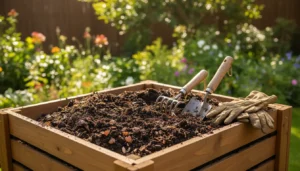
Add organic matter such as compost, well-rotted manure, or leaf mold. Mix 2–4 inches of compost into the top 6–12 inches of soil.
For raised beds, use a mix of topsoil, compost, and well-draining amendments like coarse sand or perlite if needed.
Choose Plants: What to Plant When You Start a Vegetable Garden
Select crops suited to your climate and season. Beginners should start with easy, forgiving vegetables.
Good starter crops include tomatoes, lettuce, radishes, green beans, and herbs like basil.
- Cool-season crops: lettuce, spinach, peas, radishes (plant in early spring or fall).
- Warm-season crops: tomatoes, peppers, cucumbers (plant after last frost).
Plan Crop Rotation and Companion Planting
Rotate families (e.g., nightshades, brassicas, legumes) to reduce pests and disease buildup. Use companion planting to improve growth and deter pests.
Examples: plant basil near tomatoes to improve flavor and repel some insects; plant beans to fix nitrogen near leafy greens.
Planting and Early Care
Follow seed packet or transplant instructions for spacing and depth. Overcrowding leads to disease and poor yields.
Water newly planted seeds and transplants gently but thoroughly. Keep soil consistently moist until seedlings establish.
Mulch and Weed Control
Apply 2–3 inches of organic mulch like straw or wood chips to conserve moisture and suppress weeds. Leave a small gap around stems to prevent rot.
Pull weeds when small to limit competition. Use hand tools or shallow cultivation to avoid disturbing roots.
Watering, Feeding, and Maintenance
Water deeply and less frequently to encourage strong root systems. Aim for 1–1.5 inches of water per week, adjusting for rainfall.
Fertilize based on crop needs and soil test results. Use balanced organic fertilizers or compost tea for steady nutrients.
- Tomatoes: support with stakes or cages and feed with potassium-rich fertilizer at fruit set.
- Leafy greens: benefit from steady nitrogen; side-dress with compost mid-season.
Pest and Disease Management
Inspect plants weekly for signs of pests or disease. Early detection makes control easier and reduces crop loss.
Use integrated pest management (IPM): encourage beneficial insects, remove affected leaves, and use targeted biological or organic controls when needed.
Beans and peas are nitrogen-fixing plants that improve soil fertility by adding nitrogen back into the soil, reducing fertilizer needs for following crops.
Harvesting and Season Extension
Harvest vegetables at peak maturity for best flavor and continuous production. Regular harvesting often encourages more fruiting.
Use simple season-extension methods like row covers, cold frames, or cloches to start earlier or extend fall harvests.
Storage and Preservation
Learn basic preservation: freezing, pickling, and drying extend the value of your harvest and reduce waste.
Label and date preserved foods to maintain quality and rotate stocks.
Real-World Example: Community Garden Bed Case Study
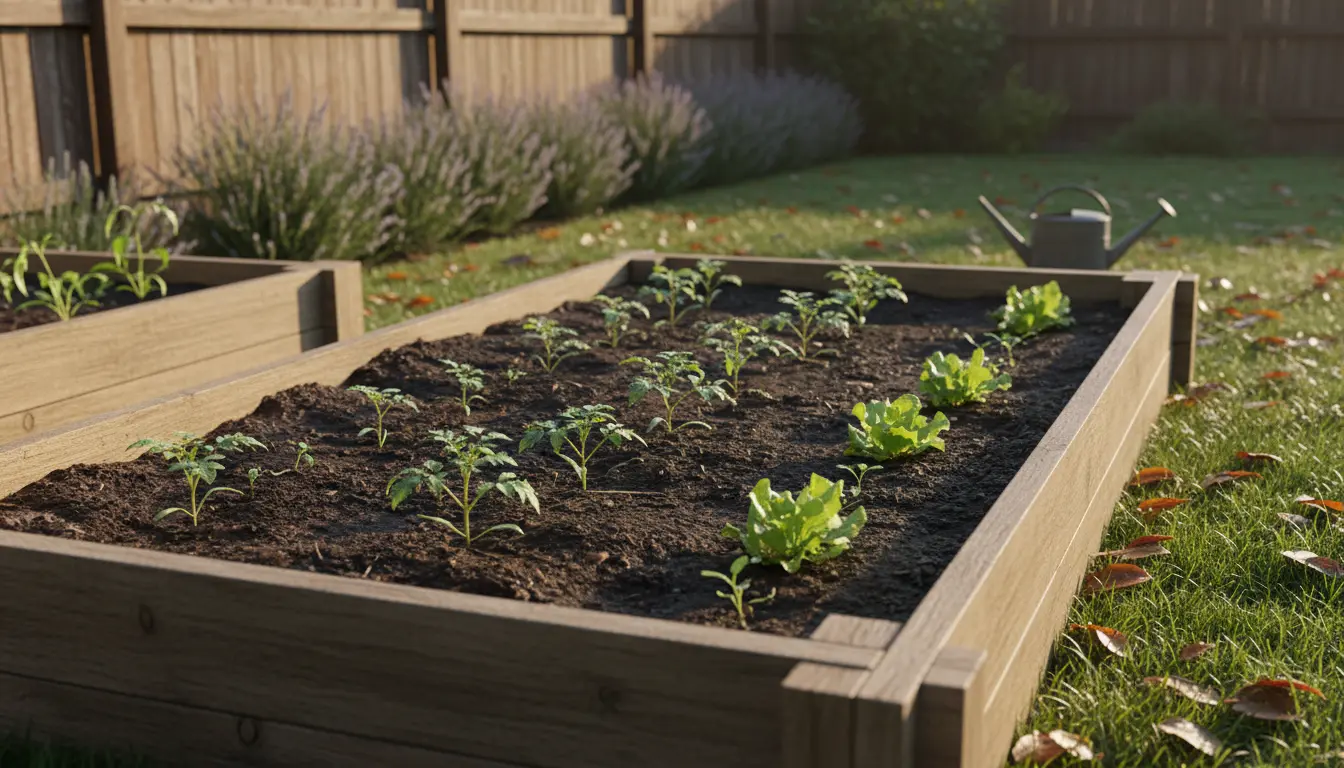
Emma, a beginner gardener, started a 4×8 raised bed in spring. She tested soil, added compost, and planted tomatoes, lettuce, and bush beans.
She used stakes for tomatoes, a 2-inch layer of straw mulch, and weekly inspections for pests. By midsummer she harvested continuous lettuce and beans, and three large harvests of tomatoes.
Key takeaways from Emma’s bed: start small, improve soil first, and inspect plants weekly. These simple steps kept her garden productive and low-stress.
Simple Checklist to Start Your Vegetable Garden
- Choose a sunny location and garden type (raised, in-ground, or containers).
- Test and improve soil; add compost and correct pH if needed.
- Select easy crops for your season and climate.
- Plant at correct spacing and water consistently until established.
- Mulch, monitor pests weekly, and harvest at peak maturity.
Starting a vegetable garden is about planning, consistent care, and learning from each season. Begin small, keep records, and expand as you gain confidence. With basic steps followed, most gardeners enjoy steady yields and the satisfaction of growing their own food.