
How to Start a Vegetable Garden: First Steps
Starting a vegetable garden is a practical way to grow fresh food and learn new skills. This guide walks you through clear steps to help you plan, plant, and maintain a productive garden.
Decide What You Want to Grow
Begin by listing 5–8 vegetables you and your household eat often. Choose easy, productive crops for first-time gardeners, such as tomatoes, lettuce, radishes, beans, and zucchini.
Pick varieties labeled “easy” or “for beginners” at your local nursery or seed catalog. This reduces frustration and increases chances of success.
Choosing a Spot to Start a Vegetable Garden
Location matters for growth. Look for a spot that gets at least 6 hours of direct sunlight per day for most vegetables.
Consider accessibility to water, soil drainage, and proximity to your home. Small spaces can use containers or raised beds effectively.
Sunlight and Soil Basics
Full sun (6–8 hours) suits tomatoes, peppers, and cucurbits. Leafy greens tolerate partial shade and can be placed where sunlight is limited.
Test soil by digging a spade-depth hole and checking texture. Loamy, crumbly soil is ideal. If soil is heavy clay or sandy, raised beds or container mixes are easier.
Preparing Soil to Start a Vegetable Garden
Good soil is the foundation. Improve existing soil with organic matter to increase nutrients and drainage.
Add 2–3 inches of compost or well-rotted manure on top and work it into the top 6–8 inches of soil. For raised beds, fill with a mix of topsoil, compost, and a light amendment like coir or perlite.
Soil pH and Nutrients
A quick pH test kit helps; most vegetables prefer pH 6.0–7.0. If pH is low, add lime. If high, add sulfur following package instructions.
Use a balanced organic fertilizer at planting and side-dress nitrogen-hungry crops like corn and celery during the season.
Planting: Seeds Versus Transplants
Decide whether to start from seed or buy transplants. Fast-growing crops like radishes and beans are great from seed. Tomatoes and peppers often transplant better.
Follow seed packet spacing and depth. Crowding plants reduces air flow and increases disease risk.
Timing Your Planting
Check your USDA hardiness zone or local extension planting calendar. Cool-season crops (lettuce, peas) go in early spring or fall. Warm-season crops (tomato, pepper) go in after the last frost date.
Stagger plantings for continuous harvest: sow a new lettuce row every 2–3 weeks for extended yields.
Watering and Mulching Advice
Water deeply and less frequently rather than shallow, daily watering. Deep watering encourages strong roots and drought resilience.
Mulch with straw, shredded leaves, or wood chips to conserve moisture, suppress weeds, and regulate soil temperature.
Simple Irrigation Options
- Soaker hoses: lay at plant bases and run 1–2 hours in the morning.
- Drip irrigation: efficient for beds and raised boxes.
- Hand watering: use a watering can or hose with a gentle nozzle for small plots.
Pest and Disease Basics When You Start a Vegetable Garden
Start with prevention: proper spacing, crop rotation, and healthy soil reduce problems. Inspect plants weekly for pests or disease symptoms.
Use row covers for early-season insect control and hand-pick slugs or caterpillars when seen. Apply organic treatments like insecticidal soap only when necessary.
Companion Planting and Simple Defenses
Plant marigolds, basil, or nasturtiums near vegetables to help deter pests and attract beneficial insects. Keep a tidy garden by removing diseased leaves promptly.
Mixing 10–20% compost into garden soil can increase water retention and nutrient availability, often improving yields in the first season.
Harvesting and Ongoing Care
Harvest vegetables at peak ripeness for best flavor and to encourage continued production. Regular harvesting of lettuce, beans, and zucchini increases yields.
Keep records of planting dates, varieties, and harvest times. Simple notes help you improve year to year.
Small Real-World Example
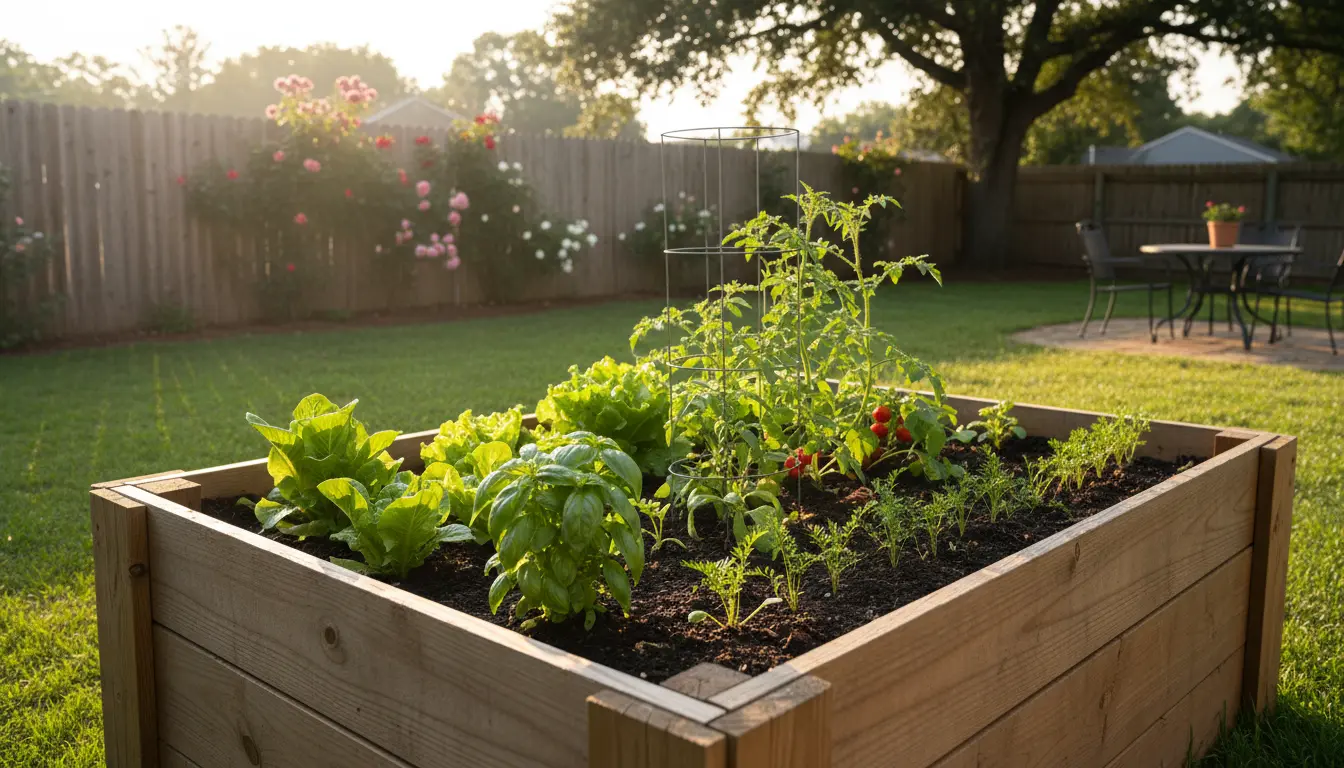
Case study: A first-time gardener built one 4×8 ft raised bed and planted tomatoes, lettuce, and bush beans. They amended the soil with compost, used tomato cages, and watered twice weekly with a soaker hose.
By mid-summer they harvested continuous lettuce and weekly beans. Three tomato plants produced enough fruit for fresh eating and a small batch of sauce — a reliable success without complex equipment.
Final Checklist to Start a Vegetable Garden
- Choose 5–8 beginner-friendly crops you like to eat.
- Select a sunny, well-drained spot near water.
- Improve soil with 2–3 inches of compost or use raised beds.
- Start seeds or buy transplants timed to your local season.
- Water deeply, mulch, and monitor for pests weekly.
Starting a vegetable garden is a process of small, consistent steps. Focus on good site selection, soil building, and simple maintenance to grow food successfully in your first season.