
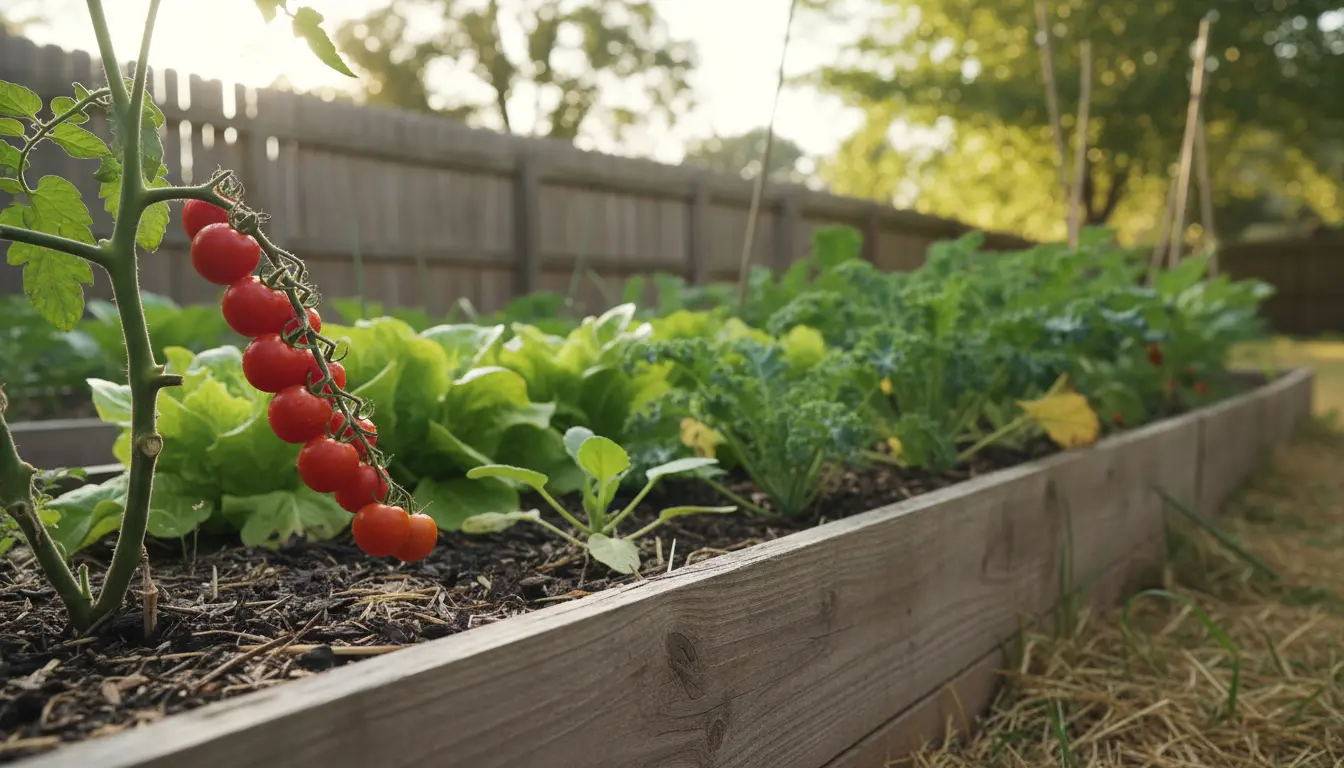
Getting Started with a Vegetable Garden
Starting a vegetable garden is simple when you break it into clear steps. This guide shows you how to start a vegetable garden from planning to first harvest, using practical tips for beginners.
Plan Your Garden Space
Choose where to plant. Most vegetables need 6–8 hours of direct sunlight each day, so pick a sunny spot that is easy to reach from your house.
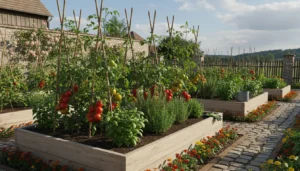
Decide on garden type: in-ground rows, raised beds, or containers. Raised beds and containers are often easier for beginners and give better soil control.
Checklist for Garden Location
- Sunlight: 6–8 hours daily
- Water access: hose or watering system nearby
- Soil drainage: avoid low spots that collect water
- Convenience: close enough to maintain easily
Prepare the Soil
Good soil is the foundation of a productive garden. Test or observe your soil; look for crumbly texture and dark color as signs of healthy soil.
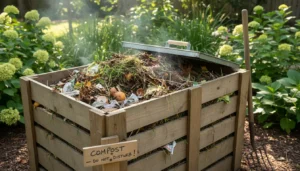
Improve soil with compost and organic matter. Mix 2–4 inches of compost into the top 6–12 inches of soil for raised beds or containers.
Basic Soil Mix for Raised Beds
- 40% topsoil
- 40% compost
- 20% coarse sand or perlite for drainage
Choose Vegetables for Your Garden
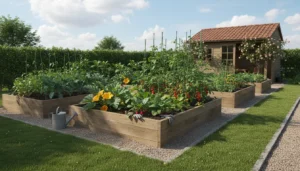
Select vegetables that match your climate and season. For first-time gardeners, choose easy-to-grow crops like lettuce, radishes, tomatoes, green beans, and zucchini.
Decide between seeds and transplants. Fast growers and root vegetables are often easier from seed, while tomatoes and peppers are simpler when started as transplants.
Quick Planting Guide
- Lettuce: seed or transplant, cool-season
- Tomato: transplant after last frost, full sun
- Beans: direct seed after soil warms
- Radish: direct seed, harvest in 3–4 weeks
Planting Tips and Layout
Keep rows or bed rows narrow so you can reach the center from either side. A 4-foot-wide raised bed is a common and effective size.
Use succession planting to keep a steady harvest. Sow a new row of lettuce every 2–3 weeks to maintain supply.
Example Layout for a 4×8 Raised Bed
- Row 1: Early lettuce (harvest in 4–6 weeks)
- Row 2: Carrots or radishes
- Row 3: Tomatoes (support with cages)
- Row 4: Beans or basil as companion plants
Watering and Mulching
Water deeply and less often to encourage deep roots. Aim for 1–1.5 inches of water per week, more in hot weather.
Apply 2–3 inches of organic mulch after planting. Mulch keeps soil moist, suppresses weeds, and stabilizes temperature.
Common Pest and Disease Management
Inspect plants weekly for pests like aphids, slugs, and caterpillars. Early detection makes control easier and less work.
Use these basic strategies:
- Hand-pick large pests or use soapy water spray for soft-bodied insects
- Encourage beneficial insects with flowering herbs and companion plants
- Rotate crops yearly to reduce soil-borne diseases
Fertilizing and Maintenance
Feed plants with a balanced organic fertilizer at planting and again mid-season for heavy feeders like tomatoes. Follow label rates to avoid overfeeding.
Keep beds weed-free and thin seedlings as needed to prevent crowding. Thin seedlings to recommended spacing to improve airflow and yields.
Harvesting and Storage
Harvest vegetables at peak ripeness for best flavor. Pick lettuce leaves continuously, and harvest tomatoes when color and firmness are correct.
Store produce properly: cool, dry places for root crops and refrigeration for leafy greens and most vegetables.
Crop rotation and adding compost can significantly reduce pests and increase yields over time. Even small annual additions of compost improve soil structure and water retention.
Small Case Study: Sarah’s First Garden
Sarah started a 4×8 raised bed in spring with tomatoes, lettuce, and green beans. She added 3 inches of compost and used transplants for tomatoes.
By midsummer she harvested enough lettuce for weekly salads and 12 pounds of tomatoes from three plants. Her steady watering schedule and weekly inspections kept pests low.
Simple Tools and Supplies
- Hand trowel and fork
- Garden hose or soaker hose
- Garden gloves
- Compost or aged manure
- Mulch and basic organic fertilizer
Final Checklist to Start a Vegetable Garden
- Pick a sunny location and measure your space
- Decide bed type: raised, in-ground, or containers
- Improve soil with compost and test drainage
- Choose easy crops suited to your season
- Plant, mulch, water deeply, and inspect weekly
Starting a vegetable garden takes planning, but small efforts each week produce steady results. Use this practical plan to begin your first garden and adjust as you learn what grows best in your space.