
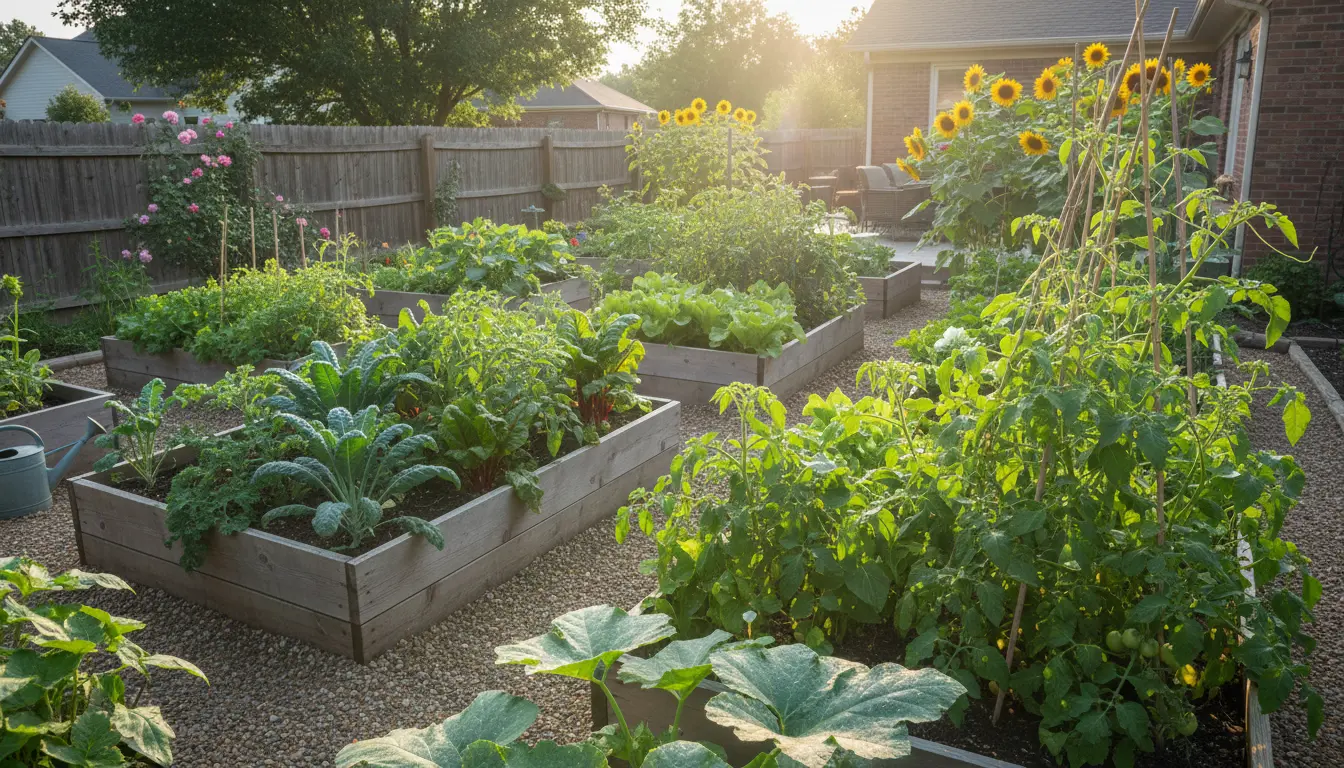
How to Start a Vegetable Garden: Plan Before You Plant
Starting a vegetable garden begins with simple planning. Decide what you want to grow and how much time you can commit each week.
Consider space, sunlight, and whether you prefer containers, raised beds, or in-ground rows. Small, manageable beds are best for beginners.
Choose a Site to Start a Vegetable Garden
Pick a location that gets at least six hours of direct sun daily for most vegetables. Morning sun and afternoon shade can work for heat-sensitive crops.
Look for level ground with good drainage. Avoid low spots that collect water and locations near large tree roots.
Sunlight and Access
Ensure easy access to water and a path for moving tools and harvests. Close proximity to the kitchen makes harvesting more convenient.
Prepare Soil to Start a Vegetable Garden
Good soil is the foundation of a productive garden. Test soil pH and texture with a simple kit or by sending a sample to a local extension service.
Amend heavy clay with compost and coarse sand for better structure. Add compost to sandy soil to improve water and nutrient retention.
Soil Preparation Steps
- Clear weeds and debris from the site.
- Work in 2 to 4 inches of compost across the bed.
- Loosen soil to a depth of 8 to 12 inches for root vegetables.
- Mulch pathways to reduce weed growth and compaction.
Choose Vegetables for Beginners
Select easy, high-yield crops to build confidence. Fast-growing vegetables give quick rewards and teach basic maintenance.
Good beginner crops include lettuce, radishes, cherry tomatoes, bush beans, zucchini, and herbs like basil and parsley.
Companion and Succession Planting
Plant compatible crops near each other to maximize space. Use succession planting to harvest multiple rounds by sowing new seeds every few weeks.
Planting: Seeds vs Transplants
Decide whether to start from seeds or buy transplants. Seeds are cheaper but need more attention. Transplants provide a head start for longer-season crops.
Follow seed packet instructions for depth and spacing. Water gently after planting and label rows clearly.
Watering and Fertilizing a New Vegetable Garden
Establish a regular watering routine. Most vegetable gardens need about 1 inch of water per week from rain or irrigation.
Water at the base of plants to keep foliage dry and reduce disease. Use a soaker hose or drip irrigation for consistent moisture.
Fertilizer Basics
Apply a balanced organic fertilizer or side-dress with compost midseason. Avoid overfertilizing, which can reduce flavor and cause excessive leaf growth.
Pest and Disease Management
Monitor plants weekly for early signs of pests and disease. Handpick pests, use row covers, or introduce beneficial insects like ladybugs.
Rotate crops each season to reduce soil-borne diseases. Remove diseased plants promptly and clean tools to prevent spread.
Maintenance: Weeding, Pruning, and Harvesting
Keep weeds under control with mulch and regular hand weeding. Mulch helps conserve moisture and stabilizes soil temperature.
Prune indeterminate tomatoes and train vining crops to supports to improve air circulation and yields.
Harvesting Tips
- Harvest leafy greens regularly to encourage new growth.
- Pick tomatoes and peppers when fully colored for best flavor.
- Young carrots and beets taste best when harvested at recommended sizes.
Many common kitchen herbs like basil and parsley grow well in containers on a sunny windowsill, letting you start a mini vegetable garden even without outdoor space.
Small Case Study: One Raised Bed, Big Results
Sarah, a first time gardener, converted a 4 by 8 foot raised bed in her backyard. She chose a sunny spot and filled the bed with a 50/50 mix of topsoil and compost.
She planted cherry tomatoes, basil, lettuce, and three zucchini plants. With twice weekly watering and monthly compost top dressing, she harvested fresh salad greens for three months and a steady crop of tomatoes and zucchini.
Her key practices were regular harvesting, mulching, and checking plants for pests each weekend. The small, focused bed made maintenance manageable and rewarding.
Simple Seasonal Checklist to Start a Vegetable Garden
- Spring: Test soil, build beds, sow seeds for cool crops, plant transplants after frost.
- Summer: Mulch, water consistently, pinch back herbs, harvest regularly.
- Fall: Plant cover crops, clean beds, save seeds from healthy plants.
Final Steps to Start a Vegetable Garden
Start small, track what works, and expand gradually. Keep a simple notebook with planting dates and harvests to improve each season.
With basic planning, soil care, and weekly attention, you can start a productive vegetable garden that supplies fresh produce and practical gardening skills.