
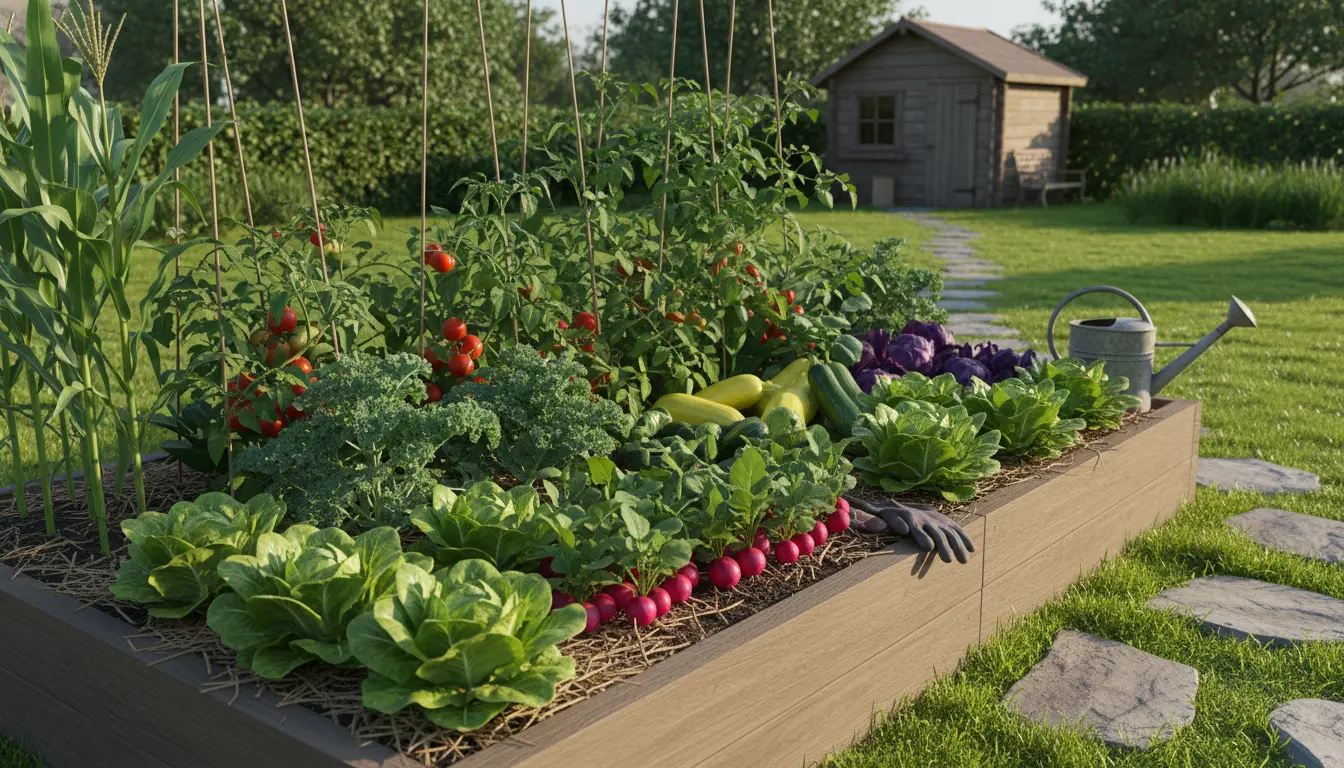
Getting Ready to Start a Vegetable Garden
Starting a vegetable garden is easier than many people think. With a few basic steps you can grow fresh produce even in small spaces.
This guide focuses on practical actions: choosing a site, preparing soil, selecting plants, and simple care routines that work for beginners.
Choose the Right Spot to Start a Vegetable Garden
Sunlight is the first requirement. Most vegetables need at least six hours of direct sun per day, so pick a sunny area with good light exposure.
Consider access to water and ease of access for planting and harvesting. Flat ground reduces erosion and makes watering simpler.
Microclimate and Space Options
Assess wind, shade from trees, and reflective heat from walls. Small balconies, raised beds, and containers are valid options if yard space is limited.
List of common space types:
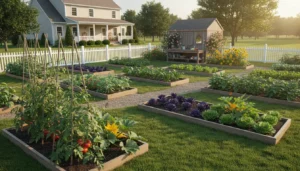
- In-ground beds for larger plots
- Raised beds for better soil control
- Containers for balconies and patios
Prepare Soil Before You Start a Vegetable Garden
Good soil is the foundation of any successful vegetable garden. Test the soil pH with a kit or a local extension service if possible.
Most vegetables prefer a pH between 6.0 and 7.0. Add compost or well-rotted manure to improve texture and fertility.
Simple Soil Prep Steps
- Clear grass and weeds from the area.
- Loosen soil to a depth of 8–12 inches with a fork or spade.
- Mix in 2–4 inches of compost and blend well.
- Rake level and allow the bed to settle for a few days before planting.
Select Vegetables That Match Your Climate
Choose plants that suit your local growing season. Fast-maturing crops give quick rewards for first-time gardeners.
Beginner-friendly vegetables include lettuce, radishes, bush beans, tomatoes, and herbs like basil.
Planting Calendar Basics
Check your last frost date and plan seeds or transplants accordingly. Cool-season crops go in early spring or fall, while warm-season crops need frost-free conditions.
Planting Techniques to Start a Vegetable Garden
Follow seed packet instructions for depth and spacing. Overcrowding reduces airflow and increases disease risk.
For transplants, dig a hole slightly larger than the root ball and firm soil gently around the plant.
- Sow seeds at recommended depth and thin seedlings after true leaves appear.
- Mulch beds to retain moisture and suppress weeds.
- Use support stakes or cages for vining crops like tomatoes and peas.
Watering and Feeding Your Garden
Water deeply and less often to encourage strong root systems. Aim for 1–1.5 inches of water per week from rain and irrigation combined.
Apply a balanced organic fertilizer or compost tea during active growth. Avoid over-fertilizing, which can reduce fruiting and flavor.
Simple Watering Tips
- Water at the base of plants to keep foliage dry and minimize disease.
- Morning watering reduces evaporation and allows leaves to dry during the day.
- Consider drip irrigation or soaker hoses for consistent moisture.
Common Pests and Diseases When You Start a Vegetable Garden
Monitor plants weekly for yellowing leaves, holes, or unusual spots. Early action is more effective than late interventions.
Use physical controls first: hand-pick pests, use row covers, and remove diseased foliage promptly.
- Encourage beneficial insects like ladybugs and lacewings.
- Use organic sprays such as insecticidal soap for soft-bodied pests.
- Rotate crops each season to reduce soil-borne diseases.
Many common vegetables, like radishes and lettuce, can be harvested in under 30 days. Quick crops help new gardeners build confidence and learn local conditions fast.
Harvesting and Success Tips
Harvest vegetables at peak flavor: pick leafy greens before they bolt and harvest tomatoes when fully colored. Frequent harvesting often encourages more production.
Keep a simple garden journal to record planting dates, varieties, and results. This helps improve choices in following seasons.
Practical Supplies to Keep Nearby
- Hand trowel and pruning shears
- Mulch and compost supply
- Garden gloves and labels for rows
Case Study: Small Backyard Success
Maria had a 10×10 foot backyard patch and wanted fresh salad greens and tomatoes. She built two raised beds, filled them with a compost-soil mix, and planted lettuce, spinach, bush beans, and one tomato plant per bed.
By following watering schedules and using mulch, Maria harvested continuous salad greens for three months and enjoyed tomatoes all summer. Her yield covered weekly salad needs and reduced grocery trips.
Start Small and Learn Fast
Begin with a few easy crops and expand as you gain confidence. Small steps reduce overwhelm and increase long-term success.
Remember: good soil, proper light, and regular care are the core habits that let you start a vegetable garden and enjoy fresh produce reliably.