
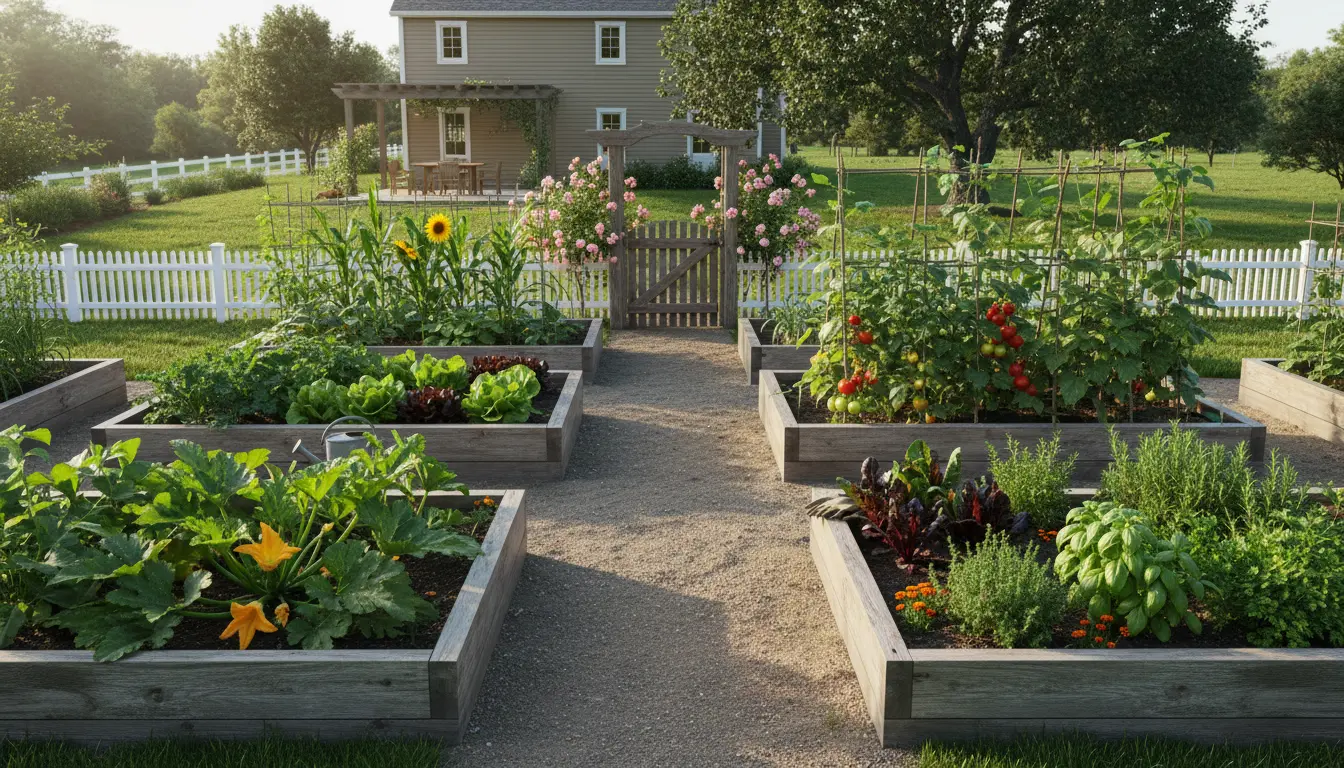
How to Start a Vegetable Garden: First Steps
Starting a vegetable garden is straightforward when you break it into small steps. This guide explains site selection, soil preparation, planting, and basic maintenance in plain, practical terms.
Choose the Right Location for Your Garden
Most vegetables need at least six hours of direct sunlight. Observe likely spots for a few days to note sun patterns. Choose an area with good drainage and easy access to water.
Decide Between In-Ground vs Raised Beds
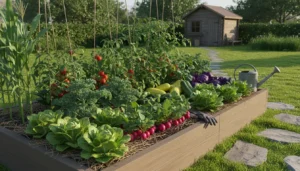
Raised beds warm faster in spring and offer control over soil quality. In-ground beds can be cheaper and larger. Consider these pros and cons:
- Raised beds: better drainage, fewer weeds, easier to amend soil.
- In-ground: larger area, lower initial cost, supports deep-rooted crops.
- Containers: good for patios and small spaces; limit root depth for some crops.
Preparing Soil and Planting Basics
Healthy soil is the foundation of a productive vegetable garden. Spend time improving soil structure and fertility before planting. Test soil pH if possible; most vegetables prefer a pH of 6.0–7.0.
Soil Preparation Steps
- Clear the area of weeds, rocks, and debris. Remove perennial roots where possible.
- Loosen soil to a depth of 8–12 inches for in-ground beds; fill raised beds with a mix of topsoil and compost.
- Add 2–4 inches of compost, then mix it in. Compost improves drainage, structure, and nutrients.
- Do not over-till; excessive tilling can damage soil structure and microbes.
Choosing What to Plant First
Start with easy, fast-growing vegetables that tolerate beginner mistakes. Good starter crops include lettuce, radishes, spinach, bush beans, and cherry tomatoes.

Plan for succession planting to extend harvests. For example, sow lettuce every 2–3 weeks for a continuous supply.
Planting, Watering, and Care
Plant seeds or seedlings according to package spacing and depth. Overcrowding reduces air flow and increases disease risk.
Watering Practices for Vegetable Gardens
Consistent moisture is vital. Water deeply and less often rather than frequent shallow watering. Aim for the root zone rather than wetting foliage to reduce disease.
- Morning watering reduces evaporation and fungal risk.
- Use drip irrigation or a soaker hose for efficiency.
- Mulch around plants to conserve moisture and suppress weeds.
Fertilizing and Feeding

Vegetables need steady nutrients. Use a balanced organic fertilizer or compost tea during the growing season. Follow label directions to avoid overfeeding.
Pest Management and Common Problems
Expect pests and diseases but handle them with simple, preventative methods first. Healthy plants are the best defense.
Integrated Pest Basics
- Encourage beneficial insects like ladybugs and lacewings by planting flowers and avoiding broad-spectrum pesticides.
- Use physical barriers (row covers) for young plants to block insects and birds.
- Remove affected leaves promptly and rotate crops each year to reduce soil-borne disease buildup.
Harvesting and Seasonal Care
Harvest regularly to encourage continued production. Many vegetables taste best when picked young—beans, peas, and leafy greens are good examples.
At season end, clear spent plants and add them to the compost pile. Prepare beds for the next planting by topping up compost and checking pH.
Adding a 2–3 inch layer of compost each year can increase vegetable yields by improving soil structure and nutrient availability without chemical fertilizers.
Small Real-World Case Study: A First-Year Raised Bed
Sara, a beginner gardener with a 4×8 foot raised bed, planned a simple layout: tomatoes at the back, bush beans in the middle, and lettuce at the front. She started with a 50/50 mix of topsoil and compost and applied mulch after planting.
Results after one season:
- Tomatoes produced weekly harvests from July to September.
- Bush beans gave a steady yield with minimal pest issues.
- Lettuce was harvested in 3 successions for continuous salads.
Key actions that helped Sara succeed were consistent watering, weekly weeding, and removing diseased leaves early. Her total time investment averaged 2–3 hours per week during peak season.
Checklist to Start Your Vegetable Garden
- Choose a sunny, well-drained location.
- Decide on beds: raised, in-ground, or containers.
- Amend soil with compost and test pH if possible.
- Select easy crops for your climate and season.
- Set up consistent watering and apply mulch.
- Monitor for pests and practice crop rotation each year.
Final Tips for Ongoing Success
Keep a simple garden journal to track planting dates, varieties, and harvest yields. Small adjustments each season—changing plant placement, trying a new variety, or improving soil—will steadily improve productivity.
Starting a vegetable garden is a learning process. Focus on steady improvement and enjoy the fresh food you grow.