
How to Start a Vegetable Garden: Basics You Need
Starting a vegetable garden is a practical way to grow fresh food and learn new skills. With the right planning and simple steps, most people can get a productive garden in a single season.
This guide focuses on clear actions: choose a site, prepare soil, select crops, and manage water and pests. Follow the checklist below and use the sample case study to see how it works in a real yard.
Choosing a Site to Start a Vegetable Garden

Location determines how well plants grow. Pick a spot that gets at least six hours of direct sunlight daily for most vegetables.
Consider proximity to water, slope for drainage, and soil quality. Avoid low spots that collect cold air or water.
Site Checklist
- Sun: 6–8 hours of direct sun for tomatoes, peppers, and beans.
- Water access: hose or irrigation within 25 feet saves time.
- Drainage: avoid standing water after rain.
- Wind protection: a fence or hedge helps fragile plants.
Soil and Bed Preparation to Start a Vegetable Garden
Soil is the foundation. Healthy soil supports roots, holds moisture, and supplies nutrients. Test and amend soil before planting.
Test and Improve Soil
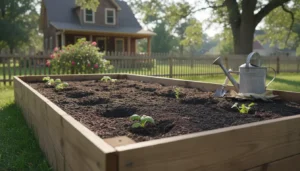
Get a basic soil test from a local extension or use a home kit. Tests tell pH and nutrient needs. Most vegetables prefer a pH between 6.0 and 7.0.
To improve soil, add organic matter like compost, aged manure, or leaf mold. Work amendments into the top 6–8 inches for in-ground beds.
Raised Beds vs In-Ground
- Raised beds warm faster and drain better, ideal for short seasons.
- In-ground beds are cheaper for large areas but may need more amendment.
- Container gardening is an option for patios or small spaces.
Planting and Crop Selection When You Start a Vegetable Garden
Choose crops that match your climate, season, and skill level. Start with easy, productive plants to build confidence.
Easy Crops for Beginners
- Lettuce and salad greens – quick harvest and successive planting.
- Radishes – fastest crop, ready in 3–4 weeks.
- Tomatoes – high yield for summer with staking or cages.
- Zucchini – very productive, needs space.
- Beans – minimal care, fix nitrogen in soil.
Planting Tips
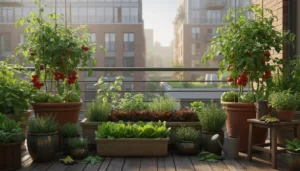
Follow seed packet and plant label spacing. Start with seedlings for a faster harvest of tomatoes and peppers, and direct-sow fast crops like radishes and beans.
Stagger planting dates for continuous harvests. For example, sow lettuce every two weeks.
Watering and Care to Start a Vegetable Garden
Consistent moisture is critical. Irregular watering stresses plants and reduces yields.
Watering Best Practices
- Water deeply once or twice a week rather than shallow daily watering.
- Use drip irrigation or soaker hoses to reduce evaporation and keep leaves dry.
- Mulch beds with straw or shredded leaves to retain moisture and suppress weeds.
Routine Care
Inspect plants weekly for pests, disease, or nutrient deficiency. Remove weeds early to reduce competition for water and nutrients.
Side-dress heavy feeders like tomatoes with compost or balanced fertilizer during the growing season.
Pest Control and Harvesting When You Start a Vegetable Garden
Good garden hygiene and early detection keep pests in check. Start with nonchemical controls where possible.
Simple Pest Management
- Hand-pick large pests like slugs and caterpillars.
- Use floating row covers early season to protect seedlings from insects.
- Encourage beneficial insects by planting herbs and flowers such as basil and marigolds.
Harvesting Tips
Harvest regularly to encourage production. Pick beans and zucchini when tender. Harvest tomatoes when fully colored for best flavor.
Leafy greens can be harvested multiple times by cutting outer leaves and allowing center growth to continue. This ‘cut and come again’ method stretches yields and reduces waste.
Real-World Example: Small Backyard Garden Case Study
Sarah, a new gardener with a 10 by 12 foot raised bed, followed these steps. She chose a sunny spot near a tap and filled beds with a 50/50 mix of topsoil and compost.
She planted three tomato seedlings, two pepper plants, a row of bush beans, and successive plantings of lettuce. With drip irrigation and 2 inches of straw mulch, she watered twice weekly and harvested fresh salad greens all summer.
Result: In one season Sarah harvested roughly 25 pounds of tomatoes, 10 pounds of beans, and dozens of salad meals. Her initial investment in soil and seedlings paid off with several months of fresh produce and lower grocery bills.
Quick Start Checklist to Start a Vegetable Garden
- Pick a sunny spot with water access.
- Test soil and add compost to improve texture and fertility.
- Choose 3–5 easy crops to begin and plan spacing.
- Install simple irrigation and add mulch to conserve moisture.
- Monitor for pests weekly and harvest often.
Starting a vegetable garden is manageable with small, steady steps. Focus on soil health, consistent watering, and simple pest control to see success in your first season.