
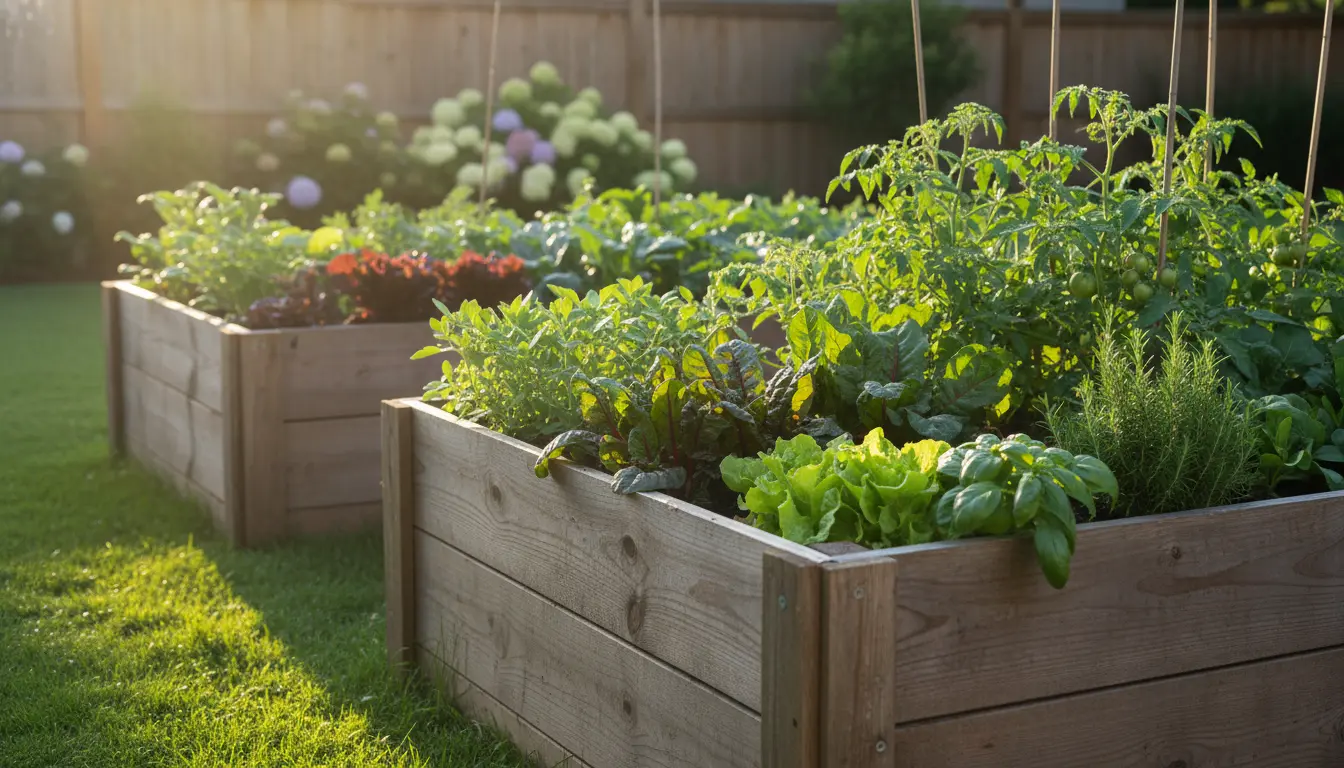
Starting a small vegetable garden is a practical way to grow fresh produce, save money, and learn basic garden skills. This guide gives straightforward steps you can follow, whether you have a yard, a balcony, or a small patio.
How to Start a Small Vegetable Garden: Choose the Right Spot
Choosing a suitable location is the first step when you start a small vegetable garden. Most vegetables need at least six hours of direct sunlight per day, so pick a sunny spot if possible.
Consider access to water and ease of access for planting, weeding, and harvesting. If you have limited space, containers or raised beds near the house work well.
Sun, Water, and Accessibility
Test sunlight by observing the site at different times of day for a few days. Note shaded hours and patterns so you can position sun-loving crops correctly.
Make sure you can reach your garden with a watering can or hose. If carrying water is difficult, plan drip irrigation or self-watering containers.
How to Start a Small Vegetable Garden: Prepare Soil and Beds

Healthy soil is the foundation of a productive small vegetable garden. If you are planting in the ground, improve soil structure with compost and organic matter.
Raised beds and containers give you more control over soil quality and drainage. They are ideal for small spaces and reduce back strain during gardening tasks.
Soil Mix and Basic Amendments
- Use a mix of topsoil, compost, and a light amendment like perlite for containers.
- Test soil pH; most vegetables prefer a pH between 6.0 and 7.0.
- Add compost yearly to maintain fertility and structure.
How to Start a Small Vegetable Garden: Select Plants for Small Spaces
Choose vegetables that match your climate, season, and space limitations. Dwarf, bush, or container varieties are best for small gardens.

Start with reliable, easy-to-grow plants to build confidence and consistent results.
Good Beginner Vegetables
- Leafy greens: lettuce, spinach, kale — quick to harvest and space-efficient.
- Root crops: radishes and carrots — use deep containers for roots.
- Fruit plants: bush tomatoes, chiles, and dwarf beans — productive and compact.
How to Start a Small Vegetable Garden: Planting and Layout Tips
A simple layout improves yields and makes maintenance easier. Use succession planting and interplanting to maximize limited space.
Group plants by water and sunlight needs to simplify care and reduce stress on crops.
Planting Strategies
- Succession planting: sow quick crops (radishes, lettuce) between slower ones (tomatoes).
- Vertical gardening: use trellises for peas and vining beans to free ground space.
- Square-foot planting: divide beds into small squares for efficient spacing.
How to Start a Small Vegetable Garden: Watering and Maintenance
Consistent watering and regular maintenance are more important than elaborate techniques. Aim for even moisture rather than frequent shallow watering.
Mulch reduces weeds and conserves moisture, so apply a 2–3 inch layer of organic mulch around plants.
Simple Care Routine
- Water deeply 2–3 times per week depending on weather and soil.
- Check plants weekly for pests and remove damaged leaves early.
- Fertilize lightly with compost tea or balanced organic fertilizer every 4–6 weeks.
Many common vegetables can be grown in containers with just 6–12 inches of soil depth. Radishes, lettuce, and bush beans are especially container-friendly.
How to Start a Small Vegetable Garden: Pest Control and Harvesting
Integrated pest management keeps problems manageable without heavy chemicals. Use physical barriers, hand-picking, and encouraging beneficial insects first.
Harvest regularly to encourage more production and to enjoy vegetables at peak flavor.
Low-Chemical Pest Tips
- Use row covers to protect young plants from insects.
- Encourage predators like ladybugs and lacewings with diverse plantings.
- Remove diseased plants promptly to limit spread.
Small Real-World Example
Case study: Emma, a city tenant, converted a 6×3 foot balcony into a productive small vegetable garden. She used three 12-inch deep containers and a 4-foot trellis.
With spinach, cherry tomatoes, basil, and dwarf beans she harvested enough salad greens weekly and tomatoes through summer. Regular watering and rotating pots each season kept soil healthy.
How to Start a Small Vegetable Garden: Quick Checklist
- Choose sunny, accessible location.
- Decide between ground beds, raised beds, or containers.
- Prepare soil with compost and check pH.
- Select compact, beginner-friendly varieties.
- Water consistently and mulch to conserve moisture.
- Monitor pests and harvest regularly.
Starting a small vegetable garden is about planning, simple care, and learning as you go. Begin with a few reliable crops, pay attention to soil and water, and expand once you gain experience.
With small, steady steps you can grow delicious vegetables even in a limited space. Happy gardening!