
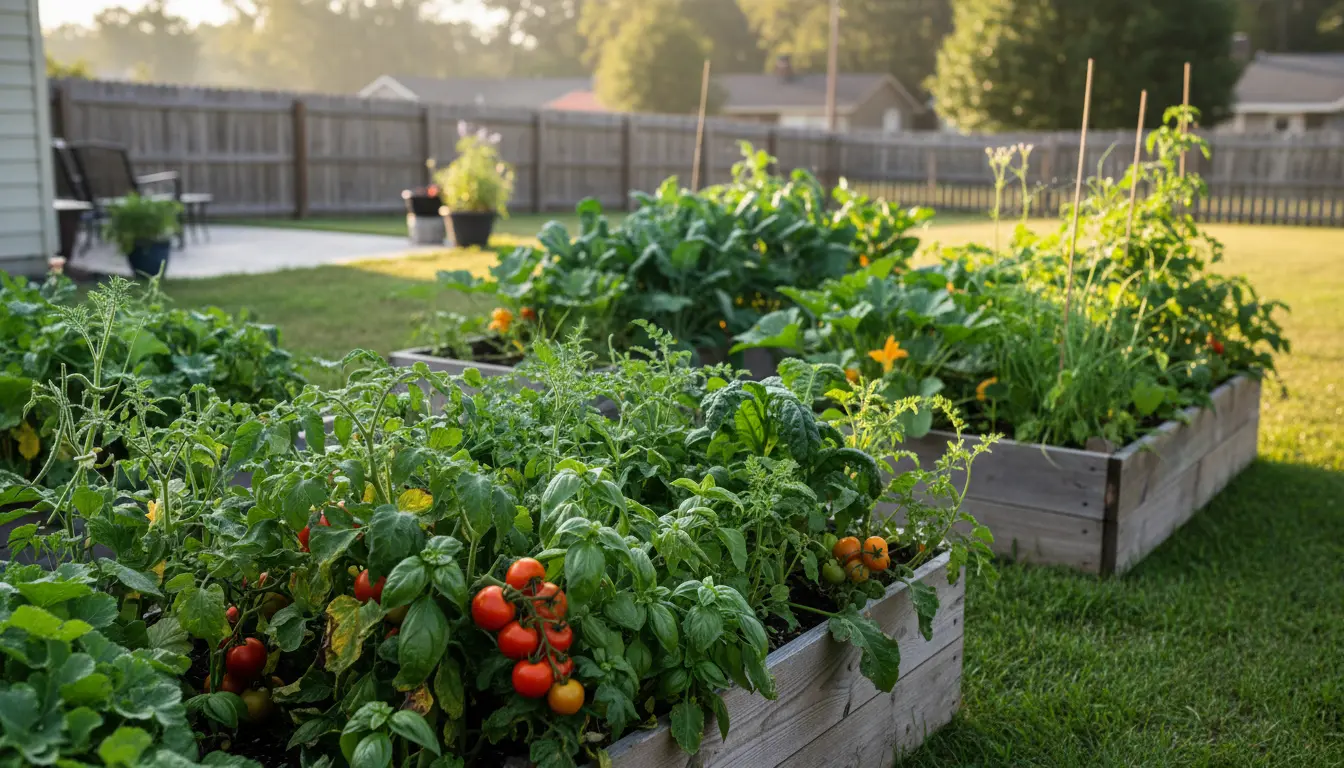
Starting a small vegetable garden is a practical way to grow fresh food, save money, and enjoy a hands-on hobby. This guide walks through clear steps you can use whether you have a tiny balcony or a compact backyard.
Why Start a Small Vegetable Garden
A small vegetable garden requires less time, lower cost, and easier maintenance than a large plot. It also fits into tight spaces and can yield plenty of produce when planned well.

Benefits include fresher food, fewer trips to the store, and control over growing methods like organic practices.
Plan Your Small Vegetable Garden
Good planning reduces mistakes and wasted effort. Start by evaluating light, space, and your goals.
Choose the Right Location for a Small Vegetable Garden
Pick a spot with at least six hours of direct sunlight for most vegetables. If that’s not available, select shade-tolerant crops like leafy greens.
Consider convenience: place beds near water and where you’ll pass by often to tend plants.
Decide on Garden Type
Common small garden formats include raised beds, containers, and in-ground rows. Each has pros and cons.
- Raised beds: Better drainage, easier weeding, and soil control.
- Containers: Best for balconies and patios; mobile and space-efficient.
- In-ground plots: Lower initial cost but need more soil work and may have drainage issues.
Prepare Soil, Compost, and Beds
Soil quality determines success. For a small vegetable garden aim for loose, well-draining soil rich in organic matter.

Add 2–4 inches of compost to beds or containers before planting. Mix compost into the top 6–8 inches of soil for best root access.
What to Plant First in a Small Vegetable Garden
Choose easy, high-yield crops for your first season. Match choices to your climate and available sunlight.
- Tomatoes (staked or in containers)
- Lettuce and salad greens (successive plantings)
- Radishes and carrots (fast harvest)
- Bush beans and peas (space-efficient)
- Herbs: basil, parsley, chives (compact and useful)
Start with seedlings for slower plants (tomatoes, peppers) and seeds for quick growers (lettuce, radish).
Planting Schedule and Watering for a Small Vegetable Garden
Follow your local last frost date to time transplants and seed sowing. Use a simple calendar: cool-season crops early spring or fall, warm-season after frost danger passes.
Water consistently. Small gardens and containers dry out faster. Aim for deep, infrequent watering to encourage strong roots.
- Check soil moisture with your finger: water when top 1–2 inches are dry.
- Use mulch to retain moisture and suppress weeds.
- Consider a soaker hose or drip irrigation for steady, efficient delivery.
Pest Control and Routine Maintenance
Inspect plants weekly for signs of pests or disease. Early detection keeps problems small and manageable.
Use physical controls first: hand-pick pests, apply row covers, and prune diseased leaves. Reserve organic sprays as a last resort.
- Rotate crops yearly to reduce disease build-up.
- Encourage beneficial insects with flowering herbs and companion plants.
- Keep beds tidy: remove spent plants and debris to lower overwintering pests.
Harvesting and Crop Rotation in a Small Vegetable Garden
Harvest regularly to encourage more production, especially with leafy greens and herbs. Pick ripe produce promptly to prevent waste and pests.
Plan a simple rotation: move families (tomato/pepper, brassicas, legumes, roots) to different beds each year to maintain soil health.
Many common garden pests are deterred by strong-smelling herbs. Planting basil, rosemary, or mint near vegetables can reduce insect pressure and improve pollinator visits.
Small Case Study: Urban Raised Bed Success
Case: A renter in a small city backyard built a single 4 x 8 foot raised bed. They filled it with a loam-compost mix and planted determinate tomatoes, bush beans, lettuce, and basil.
In the first season they harvested tomatoes weekly in July–September, harvested salad greens every 1–2 weeks, and had enough basil to preserve pesto. The raised bed required 15–20 minutes of work three times a week.
Key lessons: choice of compact varieties, regular watering, and succession planting delivered steady yields from limited space.
Quick Checklist to Start a Small Vegetable Garden
- Pick a sunny, convenient location and choose a garden type.
- Prepare soil with compost and correct pH if needed.
- Select 4–6 easy crops suited to your climate.
- Plant on schedule; water deeply and mulch beds.
- Inspect weekly, harvest regularly, and rotate beds each year.
With modest effort and simple planning you can start a small vegetable garden that provides fresh produce and satisfaction. Begin with a compact layout, learn from one season, and expand as you gain confidence.