
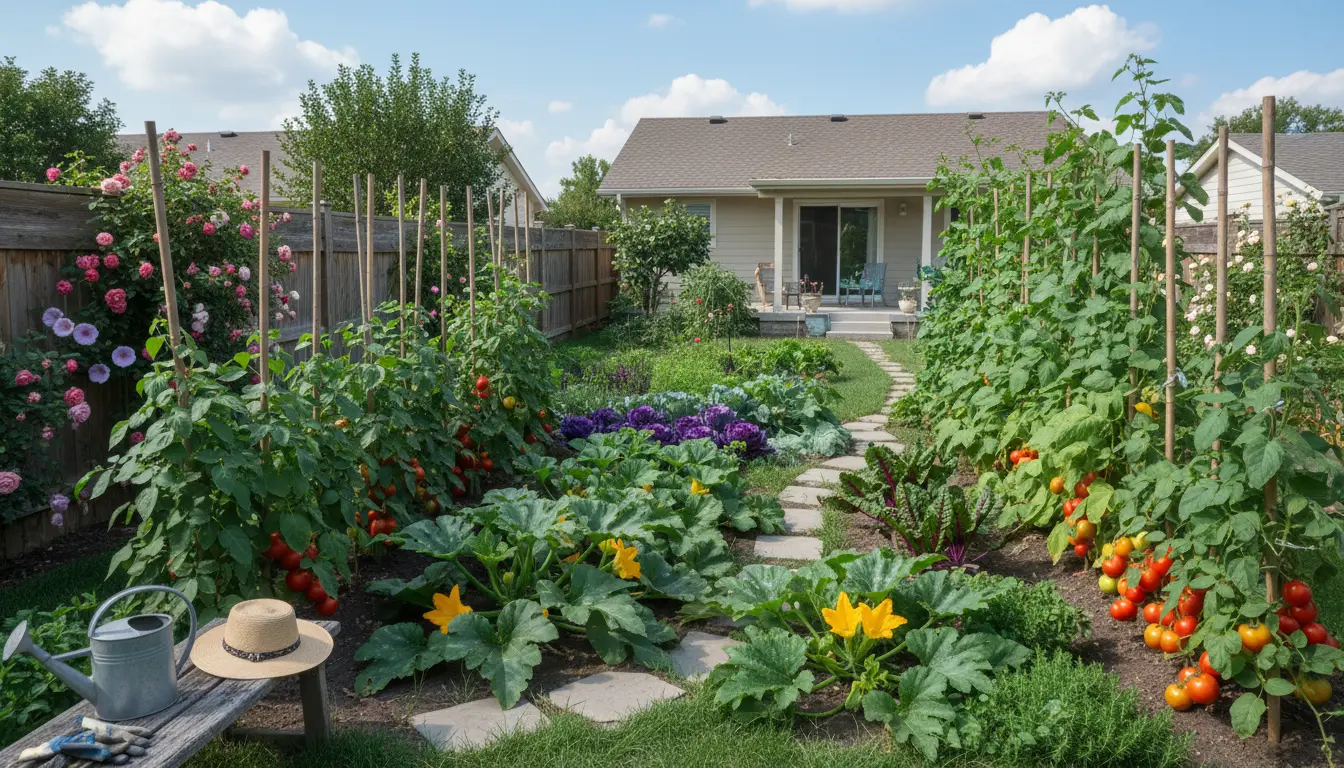
Why Start a Small Vegetable Garden
Starting a small vegetable garden gives you fresh produce, saves money, and connects you with seasonal food. It is manageable for beginners and works in yards, balconies, or community plots.
This guide shows practical steps to start a small vegetable garden with limited time and space. Follow the sequence to plan, plant, and maintain a productive plot.
Choose a Location for a Small Vegetable Garden
Location determines how much your plants will grow. Look for a spot that gets at least 6 hours of direct sunlight daily for most vegetables.
Consider access to water and how close you want the garden to be to your home for easy care. Good drainage matters to avoid root rot and waterlogged soil.
Soil and Sun for Your Small Vegetable Garden
Test the soil texture by squeezing a handful. It should hold together but crumble easily. Heavy clay or pure sand both need amendment for better plant growth.
If the soil is poor, use raised beds or large containers filled with a mix of topsoil and compost. This gives you control over drainage and fertility.
Plan What to Grow in a Small Vegetable Garden
Pick vegetables that match your climate, season, and cooking habits. Start with easy crops to build confidence and quick results.
- Fast growers: lettuce, radish, spinach
- Reliable staples: tomatoes, peppers, beans
- Space-savers: bush beans, dwarf tomatoes, herbs in pots
Plan a mix of quick harvests and longer-season plants to keep the bed productive all season.
Layout and Planting Density for a Small Vegetable Garden
Use square-foot planting or simple row spacing to make the most of limited space. A 4×4 foot raised bed can feed one person with careful planning.
Follow seed packet spacing and thin seedlings to avoid crowding. Overcrowded plants compete for light and nutrients and can increase disease risk.
Prepare Soil and Planting Beds
Prepare soil by adding 2–3 inches of compost and mixing it into the top 6–8 inches. Compost improves structure, water retention, and nutrients.
For raised beds, fill with a blend of topsoil, compost, and a small amount of sand if drainage is a concern. Avoid using unamended subsoil alone.
Simple Fertility Plan for a Small Vegetable Garden
Start with a soil test if possible to know nutrient levels and pH. Most vegetables prefer pH 6.0–7.0 and benefit from regular compost additions.
If you don’t have a test, apply a balanced organic fertilizer at planting and side-dress with compost midseason to maintain fertility.
Watering and Maintenance Tips for a Small Vegetable Garden
Water deeply and less often to encourage strong roots. Aim for 1–1.5 inches of water per week, adjusted for rainfall and heat.
Use drip irrigation or soaker hoses to conserve water and reduce leaf wetness, which can lower disease risk. Mulch with straw or wood chips to retain moisture and suppress weeds.
Pest and Disease Basics for a Small Vegetable Garden
Inspect plants weekly for pests, chewing damage, or yellowing leaves. Simple handpicking and row covers can control many early problems.
Rotate crops year to year to reduce soil-borne diseases. Remove diseased plants promptly and avoid overhead watering to keep foliage dry.
Harvesting and Succession Planting
Harvest vegetables when they are tender and at peak flavor. Regular harvesting encourages more production in plants like beans and lettuce.
Practice succession planting by sowing new seeds every few weeks for continuous harvests. After a crop like lettuce finishes, replace it with a warm-season plant or greens for fall.
Many common herbs like basil and parsley act as companion plants that can improve pest control and flavor when grown alongside tomatoes and peppers.
Small Real-World Example: A 4×4 Raised Bed Case Study
Case study: A city gardener set up a 4×4 raised bed (16 sq ft) in spring. They planted 4 tomato seedlings, 8 lettuce heads in succession, 6 bush beans, and a row of basil.
By focusing on succession planting and regular composting, the gardener harvested enough greens each week, three medium tomatoes per plant, and several bean pickings over two months. The bed required watering two to three times a week in summer and one application of organic fertilizer midseason.
Quick Checklist to Start a Small Vegetable Garden
- Select a sunny, well-drained site near water.
- Decide raised bed or in-ground; gather soil and compost.
- Choose easy crops suited to your season and tastes.
- Plant using recommended spacing and mulch after planting.
- Water deeply, monitor pests, and harvest regularly.
Final Tips to Keep Your Small Vegetable Garden Productive
Start small and expand as you learn. The simplest mistakes are usually correctable with compost and time.
Keep a garden journal to track planting dates, varieties, and harvests. This record helps improve yields in future seasons and makes your small vegetable garden increasingly productive.