
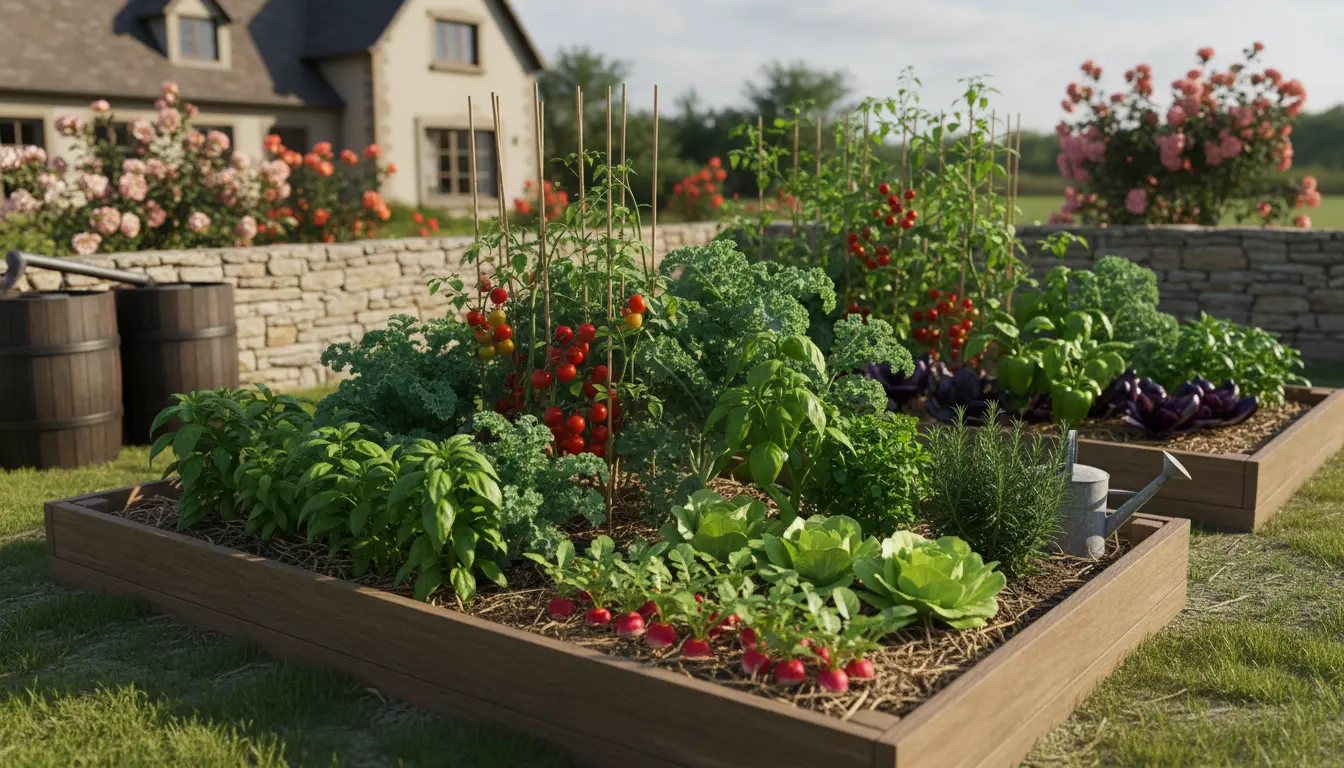
Planning your small vegetable garden
Starting a small vegetable garden is about choices: where to grow, what to plant, and how to care for it. A clear plan saves time and increases harvests.
Decide whether you will use containers, raised beds, or a small plot. Each option affects soil, water, and plant selection.
Choose location and containers for a small vegetable garden
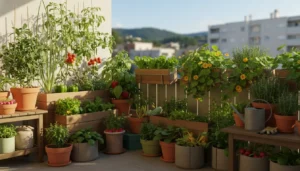
Pick a spot with at least 5–6 hours of sunlight a day. Morning sun and light afternoon shade work well for many crops.
For limited space, use containers or raised beds. Containers are portable and reduce soil pests. Raised beds warm earlier and drain well.
Pick easy vegetables for your small vegetable garden
Start with fast-growing, low-maintenance crops. These give quick results and build confidence.
- Lettuce, spinach, and other salad greens
- Radishes and baby carrots
- Cherry tomatoes and dwarf tomato varieties
- Herbs: basil, parsley, chives
- Beans and peas (bush types for small spaces)
Soil, compost, and planting for a small vegetable garden
Good soil is the foundation. In small gardens you can control soil quality more easily than in large beds.
Use a quality potting mix in containers and a well-draining loam in raised beds. Mix in compost for nutrients and structure.
Soil mix and quick testing
For containers, use a mix of compost, coconut coir or peat, and perlite or grit for drainage. Aim for a loose, crumbly texture.
Do a simple soil test: squeeze a handful. It should hold shape but crumble when prodded. Heavy clay needs organic matter and grit.
Planting schedule and spacing
Check your local last frost date and follow seed packet guidance. Stagger plantings every 2–3 weeks for continuous harvests.
Respect spacing: overcrowded plants reduce air flow and increase disease risk. Use dwarf varieties if space is tight.
Watering, feeding, and maintenance for a small vegetable garden
Smaller gardens dry out faster. Regular, consistent watering is more important than frequent light sprays.
Feed plants with balanced fertilizer or regular compost tea. Monitor growth and adjust nutrients as needed.
Watering tips
- Water deeply at the base early in the morning to reduce evaporation.
- Use drip irrigation or soaker hoses for even moisture in raised beds.
- Mulch with straw or shredded leaves to retain moisture and suppress weeds.
Pest control and common problems
Small gardens allow close observation for pests and disease. Act early to limit spread.
- Check undersides of leaves for aphids and caterpillars.
- Use physical barriers like row covers to protect young plants.
- Encourage beneficial insects by planting flowers and herbs nearby.
- Practice crop rotation in containers by changing soil or alternating plant families.
Many common vegetables, including lettuce and radishes, can be grown in containers just 6–8 inches deep. Small changes in depth and soil mix can increase yields dramatically.
Layout examples and a short case study
Simple layouts help manage space and tasks. Use these options depending on your area and needs.
- Single raised bed: 4×4 feet with 6–8 plants of mixed vegetables.
- Multiple containers: several 12–18 inch pots for tomatoes, herbs in small pots between them.
- Vertical supports: trellises for peas and vining beans to save floor space.
Real-world example: A balcony small vegetable garden
Case: Sara, a city apartment renter, used three 12-inch containers and one 4×2 foot raised trough on a sunny balcony. She planted basil, cherry tomatoes, lettuce, and bush beans.
Within eight weeks she harvested continuous salad greens and two rounds of beans. She used a store-bought potting mix with added compost and watered every other day during summer. Pests were limited with a weekly hand inspection and a simple soap spray.
Seasonal tips and next steps for your small vegetable garden
Adapt to seasons: cool-season crops in spring and fall, warm-season crops in summer. Plan for succession planting to keep beds productive.
Keep a short garden journal: note planting dates, varieties, yields, and problems. This record speeds improvement year to year.
Quick checklist before you start
- Pick a sunny site and decide container or bed.
- Choose 3–6 easy crops for your first season.
- Prepare or buy a quality soil mix and compost.
- Set up simple watering: can, hose with timer, or drip line.
- Monitor weekly for pests and water stress.
Starting a small vegetable garden is a manageable way to grow food and learn gardening skills. With basic planning and regular care, even a few containers can supply fresh vegetables through the season.