
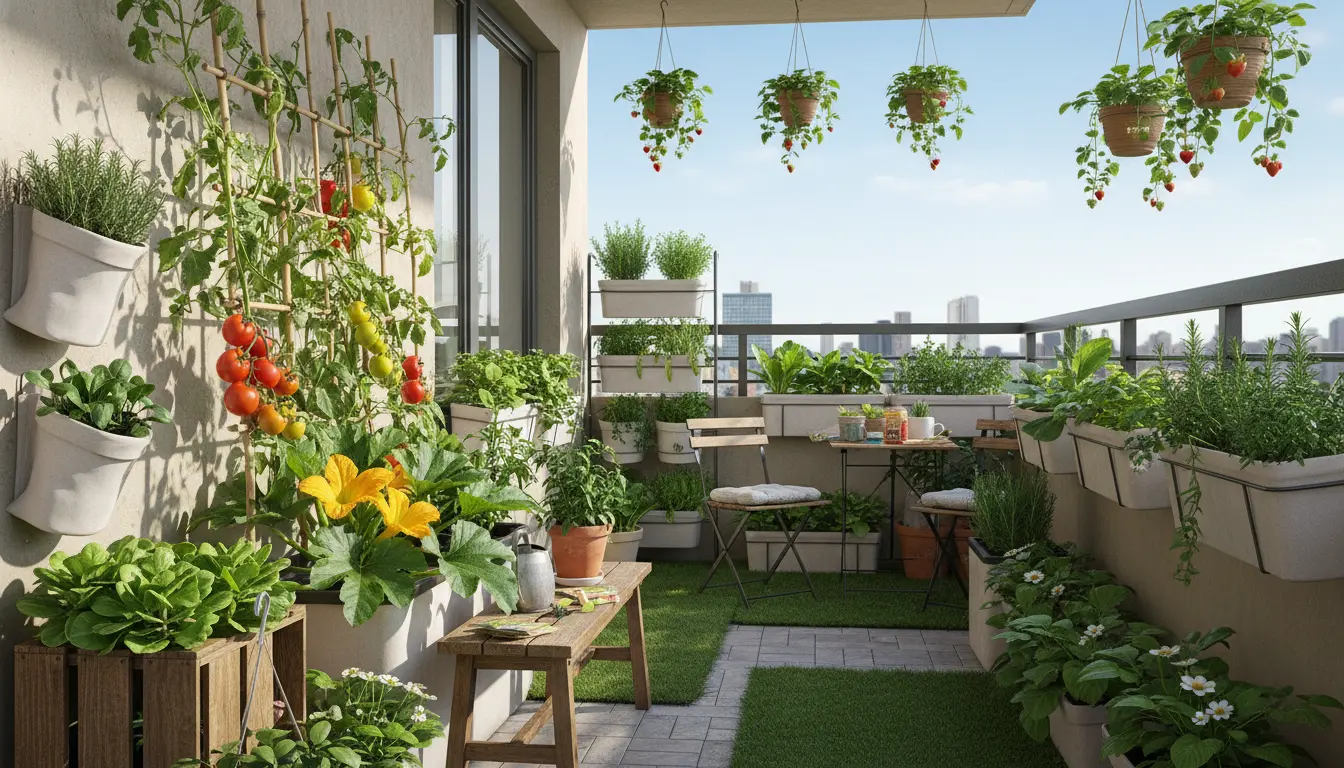
Starting a small vegetable garden is achievable even with limited space. This guide gives clear, practical steps to plan, set up, and maintain a productive garden you can manage in a yard, balcony, or patio.
Why start a small vegetable garden
A small vegetable garden saves money and improves food quality. Fresh vegetables picked at peak ripeness taste better and retain more nutrients than store-bought produce.
Gardening also reduces food miles and can be therapeutic. For beginners, a compact garden lowers complexity and makes maintenance predictable.
Planning your small vegetable garden
Choose the right location for your small vegetable garden
Most vegetables need at least 6 hours of direct sun. Observe potential spots for light through the day before deciding.
Consider proximity to water and access for routine care. If you lack ground space, balconies and patios work with containers or raised beds.
Pick soil and containers for a small vegetable garden
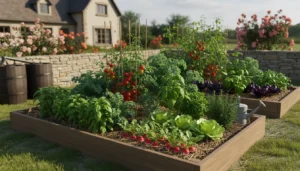
Good soil is the foundation. Use a light, well-draining potting mix for containers and amended topsoil for raised beds.
For containers, choose sizes based on plant root needs: large pots for tomatoes and peppers, smaller pots for herbs and lettuce.
Select crops suited to a small vegetable garden
Pick high-yield, space-efficient vegetables. Fast-growing crops give quick rewards and allow multiple plantings per season.
- Leafy greens: lettuce, spinach, arugula
- Herbs: basil, parsley, chives
- Compact fruiting plants: cherry tomatoes, dwarf peppers
- Root crops: radishes, baby carrots
Step-by-step setup for a small vegetable garden
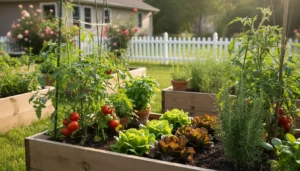
Follow these steps to set up a small vegetable garden that will thrive with minimal fuss.
- Measure the space. Note length, width, and sunlight hours. Create a simple layout on paper.
- Choose containers or a bed. Raised beds (4×4 or 4×8) or a mix of pots to match plant sizes work well.
- Prepare the soil. Mix compost with soil or use quality potting mix for containers. Aim for loose, nutrient-rich medium.
- Plant based on spacing. Follow seed packet or plant tag spacing; for small gardens consider closer spacing for quick-harvest crops (e.g., cut-and-come-again lettuce).
- Mulch and water. Mulch to keep soil moist and suppress weeds. Water deeply at the base to encourage strong roots.
Maintenance tips for a healthy small vegetable garden
Regular, short maintenance sessions keep the garden productive without much effort. Aim for 10–20 minutes several times a week.
- Watering: Check soil moisture. Containers dry faster—water when the top inch feels dry.
- Fertilizing: Use a balanced, slow-release fertilizer or weekly liquid feed for containers following package rates.
- Pest control: Inspect leaves weekly and remove pests by hand. Use row covers or organic sprays if needed.
- Succession planting: Replace harvested crops with new seedlings to keep production steady.
Harvesting and maximizing yield in a small vegetable garden
Harvest frequently to encourage more growth. Pick leafy greens when young and tomatoes when fully colored but slightly firm.
Use vertical space for vining crops. Trellises for peas, cucumbers, and indeterminate tomatoes increase yield per square foot.
Small vegetable garden case study
Case Study: Maria’s Balcony Garden. Maria had a sunny 6-foot balcony and wanted fresh salad greens. She used three 12-inch containers and one 18-inch container for cherry tomatoes.
She planted lettuce and spinach in the smaller pots and rotated seedlings every 4–6 weeks. The tomato plant used a small trellis to save space. After three months she harvested weekly salads and had excess to share with neighbors.
Lessons: Choose compact varieties, rotate fast-growing crops, and use vertical supports to multiply yield on small balconies.
Common mistakes to avoid with a small vegetable garden
- Overcrowding plants and not following spacing recommendations.
- Using poor-quality soil or potting mix that compacts or drains poorly.
- Ignoring sunlight needs—shade-tolerant crops are limited.
- Inconsistent watering that stresses plants and reduces yield.
Quick checklist before you start your small vegetable garden
- Map your space and sunlight hours.
- Choose containers or build/prepare a raised bed.
- Source quality potting soil and compost.
- Select 4–6 crops suited to your climate and space.
- Plan a watering and feeding routine.
With simple planning and steady, short maintenance, a small vegetable garden can deliver fresh produce and gardening satisfaction. Start with a few reliable varieties and expand as you gain confidence.
Ready to begin? Measure your space today and pick two easy crops to grow this season—then plant and observe how quickly your small vegetable garden rewards your effort.