
Plan Your Small Vegetable Garden
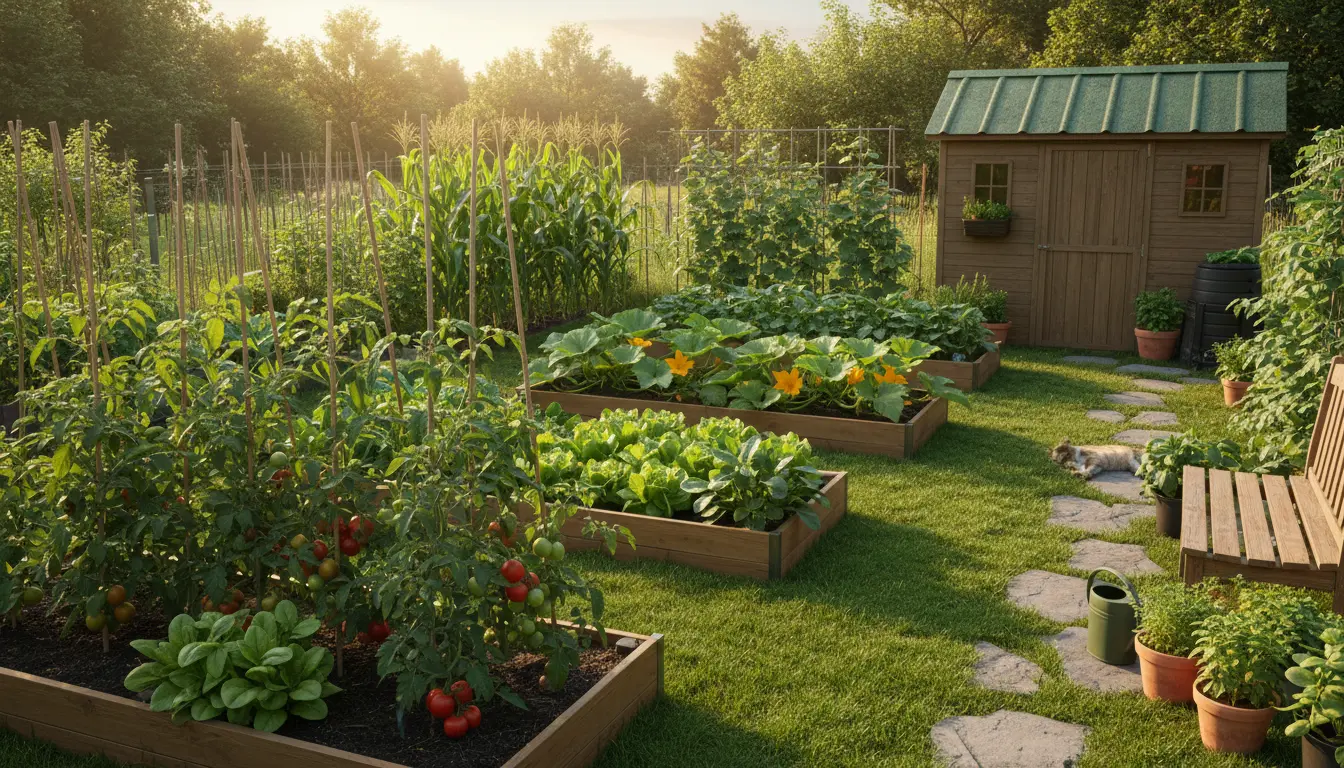
Starting a small vegetable garden begins with a simple plan. Decide the purpose: fresh salad greens, seasonal vegetables, or herbs for the kitchen.
Good planning saves time and reduces waste. Use a pencil plan on paper or a simple sketch app to map beds, paths, and containers.
Choose Location and Size for a Small Vegetable Garden

Pick a spot that gets at least 5–6 hours of direct sunlight daily for most vegetables. Consider accessibility to water and ease of access for maintenance.
Common small garden sizes: a single 4×4 or 4×8 raised bed, a balcony container set, or several 12–18 inch wide rows. Start small so you can manage maintenance.
Decide What to Grow
Choose vegetables you and your household will eat and that suit your climate. Fast crops yield quicker results and keep motivation high.
- Easy starters: lettuce, radishes, green beans, cherry tomatoes, herbs.
- Space savers: bush varieties, vertical trellises, and containers.
- Stagger plantings to extend harvest across the season.
Prepare Soil for a Small Vegetable Garden
Healthy soil is the foundation of a productive garden. Test soil if possible, then improve it with organic matter.
For many small gardens, using a raised bed with a mix of topsoil, compost, and aged manure provides fast, reliable results.
Raised Beds vs In-Ground
Raised beds warm faster, drain well, and reduce compaction. They are ideal for small spaces and urban yards.
In-ground gardens work where soil is deep and well-drained. If your native soil is poor, amend heavily or consider importing good topsoil.
Simple Soil Mix for Raised Beds
- 40% topsoil
- 40% compost or well-rotted manure
- 20% coconut coir or peat-free mix for water retention
Mix thoroughly and fill beds to within 2 inches of the top to allow for mulching and watering.
Planting and Care for a Small Vegetable Garden
Plant at the right depth and spacing listed on seed packets. Crowding reduces airflow and increases disease risk.
Mulch around plants to conserve moisture and suppress weeds. Use straw, shredded leaves, or wood chips depending on availability.
Watering, Fertilizing, and Pest Control
Water deeply and less frequently to encourage strong roots. Aim for 1–1.5 inches per week, adjusted for rainfall and soil type.
- Fertilize with balanced organic fertilizer at planting and mid-season as directed.
- Monitor for pests and use targeted controls: hand-picking, row covers, or organic sprays like neem oil when needed.
- Encourage beneficial insects by planting flowers like calendula or alyssum near vegetables.
Maintenance and Seasonal Tips for a Small Vegetable Garden
Routine care keeps yields steady. Spend 15–30 minutes several times per week weeding, checking moisture, and removing spent plants.
Rotate crops yearly to reduce soil-borne diseases and nutrient depletion. Follow heavy feeders (tomatoes, corn) with legumes to restore nitrogen.
Succession Planting and Extending the Season
Stagger plantings of lettuce, radishes, and beets every 2–3 weeks to maintain a steady harvest. Use row covers or cold frames to extend the season in spring and fall.
Many common vegetable pests are less active early in the morning. Inspect plants at dawn to find and remove pests before they spread.
Small Garden Tools and Supplies
You do not need a lot of tools to start. A few quality items make work easier and last for years.
- Hand trowel and cultivator
- Pruning shears and a hoe
- Watering can or soaker hose
- Garden gloves and a compost bin
Short Case Study: Anna’s 8×4 Raised Bed
Anna converted a shady patch of lawn into an 8×4 raised bed. She chose a sunny corner, built the bed from cedar, and filled it with a soil-compost mix.
In her first season she planted cherry tomatoes, basil, lettuce, and bush beans. By using mulch and a drip line, she reduced watering to twice weekly and harvested fresh greens for summer salads.
Key outcomes:
- Low maintenance with high reward
- Continuous harvest by staggering lettuce plantings
- Improved soil health with fall compost topping
Common Problems and Quick Fixes
Yellow leaves often indicate watering or nutrient issues. Check soil moisture and consider a light organic fertilizer if deficiencies persist.
Slugs and snails can be controlled with beer traps, copper tape, or hand removal at night. Keep a tidy garden to reduce hiding spots.
Final Steps to Start Your Small Vegetable Garden
Start with a clear plan, choose a manageable size, prepare good soil, and pick easy crops. Regular short maintenance sessions will keep the garden productive.
Record what you plant and outcomes in a simple notebook. Small adjustments year to year lead to steady improvement and higher yields.
Example starter checklist
- Choose location and sketch bed layout
- Decide crops and planting dates
- Prepare soil and set up irrigation
- Plant, mulch, and schedule maintenance
With modest effort and good planning, a small vegetable garden can supply fresh produce, reduce grocery costs, and provide a satisfying outdoor hobby.