
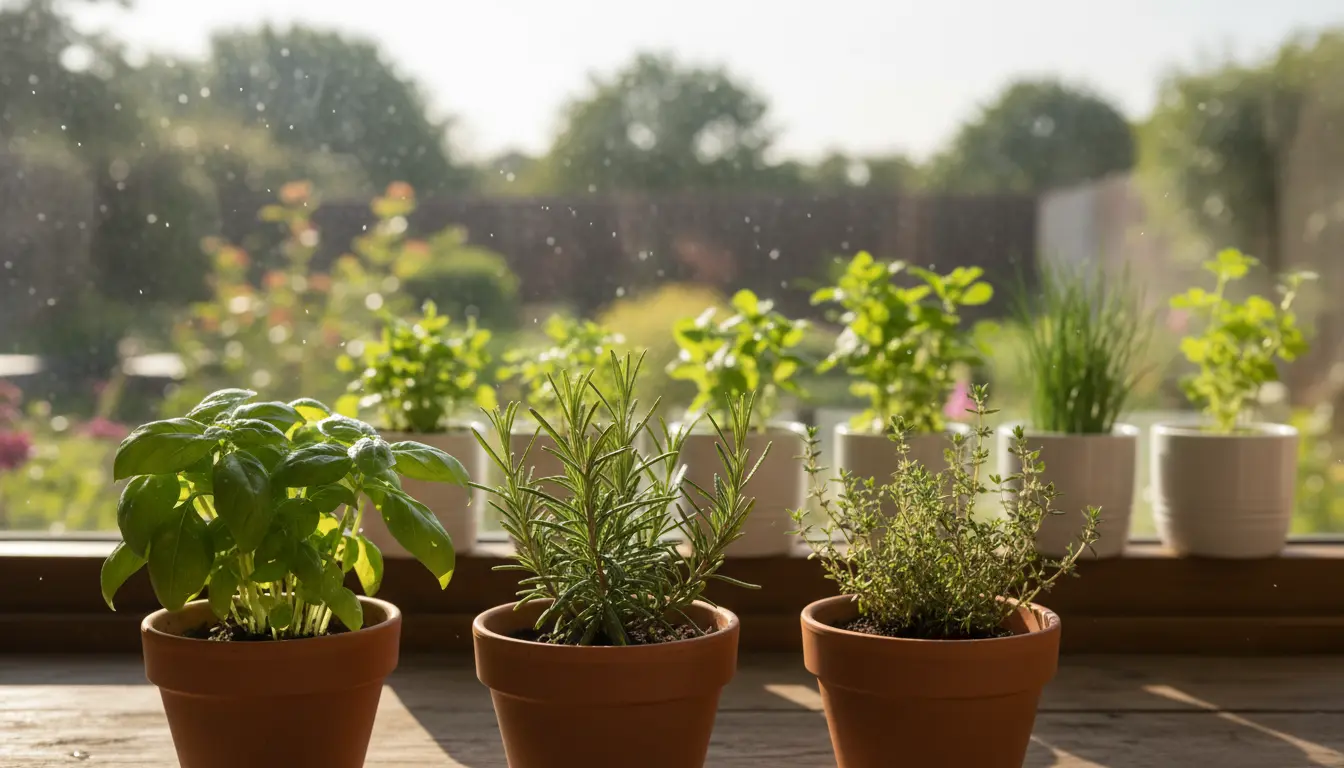
Growing a small herb garden is one of the fastest ways to add fresh flavor to meals and bring greenery into a compact space. This guide gives clear steps you can follow whether you have a windowsill, balcony, or small yard.
Why Choose a Small Herb Garden
A small herb garden is low cost, low maintenance, and delivers quick rewards. Herbs often take little space and can be harvested repeatedly, making them ideal for beginners and busy households.
Planning Your Small Herb Garden
Decide Where Your Small Herb Garden Will Live
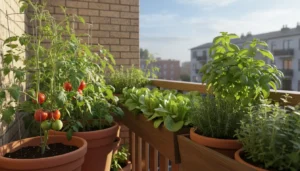
Pick a location that gets at least 4–6 hours of sunlight for most culinary herbs. South- or west-facing windows and balconies usually work best. If light is limited, choose shade-tolerant herbs like mint and parsley.
Choose Herbs for a Small Herb Garden
Start with easy, high-value herbs. These grow well in small spaces and are useful in the kitchen:
- Basil — great with tomatoes and pasta
- Parsley — versatile garnish and flavor base
- Mint — good for drinks and desserts (use a container to contain spread)
- Rosemary — fragrant, drought-tolerant
- Chives — compact and mild onion flavor
Container and Soil Choices for a Small Herb Garden
Pick the Right Containers
Containers should have drainage holes to prevent root rot. Use pots that give roots room to grow: 6–8 inches for chives and parsley, 8–12 inches for basil and mint, and larger for rosemary.
Select Good Potting Mix
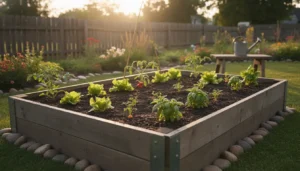
Use a well-draining potting mix rather than garden soil. A standard mix with peat, perlite, or coconut coir keeps moisture balanced and reduces disease risk.
Planting and Care for a Small Herb Garden
How to Plant Herbs
Fill the container with potting mix, leaving an inch of space at the rim. Plant seedlings at the same depth they were in their nursery pots. Water thoroughly after planting to settle the soil.
Watering, Light, and Feeding
Water when the top inch of soil feels dry. Herbs like basil and parsley prefer consistent moisture, while rosemary and thyme tolerate drier conditions. Feed with a balanced liquid fertilizer every 4–6 weeks during the growing season.
Pruning and Harvesting from a Small Herb Garden
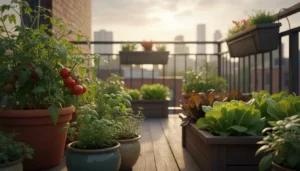
Regular pruning encourages bushy growth. Pinch tips frequently to promote branching and delay flowering. Harvest no more than a third of the plant at once to keep herbs productive.
Common Problems and Solutions for a Small Herb Garden
Few issues are serious if you provide light, good drainage, and airflow. Watch for these common problems and remedies:
- Yellow leaves: often overwatering — reduce frequency and check drainage.
- Leggy growth: not enough light — move to brighter spot or supplement with grow light.
- Pests like aphids: spray with water or use insecticidal soap.
Many herbs release more flavor after light pruning. Harvesting leaves often increases essential oil concentration and improves taste.
Small Herb Garden Tools and Supplies
Keep a short list of basic supplies to simplify care:
- Watering can with a narrow spout
- Sharp scissors or pruning shears
- Small trowel for repotting
- Lightweight potting mix and slow-release fertilizer
Case Study: Balcony Small Herb Garden
Anna, a city renter, turned a 3-foot balcony into a productive herb corner. She used three 10-inch pots and one long trough planter. Basil and parsley filled two pots, mint was contained in the trough, and rosemary shared a larger pot.
Within four weeks the herbs were ready to harvest. Anna pruned basil twice a week and used a small liquid feed every month. The result was a steady supply of herbs for salads and cooking, and the compact setup fit easily in her limited space.
Seasonal Tips for a Small Herb Garden
Adjust care by season. In summer, check soil more often and move containers to shade during heat waves. In fall, trim back and reduce watering as growth slows. Move tender herbs indoors before the first frost.
Quick Start Checklist for Your Small Herb Garden
- Pick a sunny location or plan a grow light.
- Choose 3–5 beginner herbs you use often.
- Use pots with drainage and a quality potting mix.
- Water when the top inch of soil is dry.
- Prune regularly and harvest frequently for best flavor.
Starting a small herb garden is practical and rewarding. With minimal tools and a short planning step, you can grow fresh herbs year-round and enjoy better flavor in home-cooked meals.