
Why Start a Podcast
Podcasts let you reach a focused audience with voice and storytelling. They are ideal for experts, entrepreneurs, hobbyists, and creators who want to build authority and loyal listeners.
Before you commit, understand the time required for planning, recording, and promotion. A clear plan saves effort and improves consistency.
Plan Before You Start a Podcast
Define your target audience and topic niche. A narrow topic makes it easier to attract and retain listeners.
Decide on format, length, and publishing schedule. Will it be interview-based, solo, or co-hosted? Weekly or biweekly episodes?
Choose Your Podcast Name and Branding
Select a name that is easy to remember and describes the show. Check domain availability and podcast directories to avoid conflicts.
Create a short show description and 3–5 keywords for discoverability. These elements help with search and directory placement.
Essential Equipment to Start a Podcast
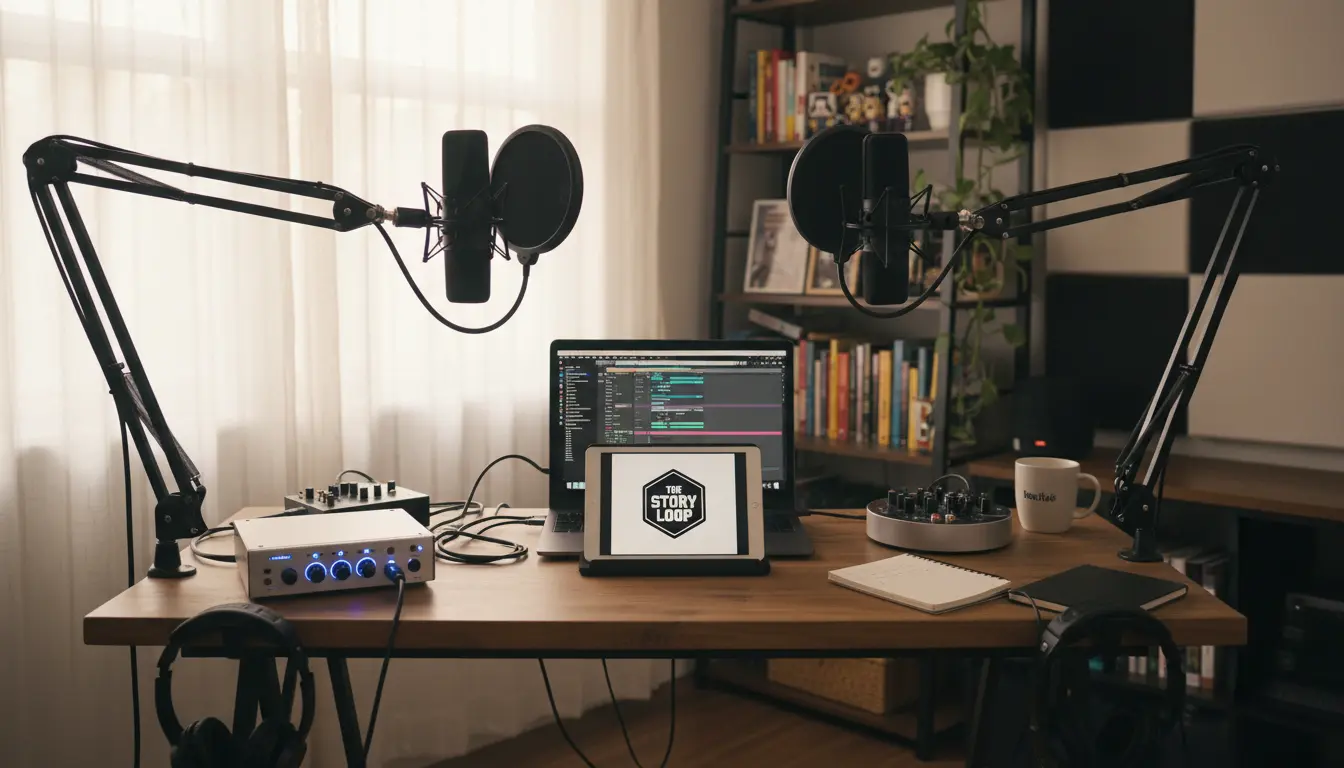
You do not need studio gear to start. Prioritize clear audio over expensive gear.
- Microphone: USB dynamic mic for beginners (quality and noise rejection).
- Headphones: Closed-back headphones for monitoring.
- Recording device/software: Use a computer with Audacity, GarageBand, or a dedicated recorder.
- Pop filter and simple mic stand to reduce plosives and handling noise.
Upgrade gradually based on listener feedback and production needs.
Recording Environment Tips

Record in a small, quiet room away from traffic and appliances. Soft furnishings reduce echo.
Simple acoustic panels or blankets can significantly improve sound quality at low cost.
Recording and Editing When You Start a Podcast
Prepare an episode outline to keep content focused. Use bullet points rather than full scripts for a natural flow.
Record a short intro and outro template to reuse each episode. This builds consistency and saves time.
Basic Editing Workflow
1. Trim long pauses and mistakes. 2. Normalize audio levels. 3. Add intro/outro music and chapter markers if applicable.
Keep editing minimal at first. Over-editing can make a show feel mechanical. Aim for clarity and pacing.
Publishing: How to Start a Podcast on Platforms
Choose a podcast hosting provider that generates an RSS feed. Hosting services handle file storage and bandwidth.
Submit your RSS feed to major directories: Apple Podcasts, Spotify, Google Podcasts, and others. Follow each directory’s submission guidelines.
Episode Metadata and SEO
Write descriptive episode titles and show notes. Include key topics, guest names, and timestamps for navigation.
Use targeted keywords naturally in titles and descriptions to improve discoverability in search and directories.
Promote and Grow After You Start a Podcast
Promote each episode through social media, your website, and email newsletter. Repurpose content into short clips or transcripts.
Collaborate with guests and other podcasters to reach new audiences. Cross-promotion drives steady growth.
Monetization Options
- Sponsorships and ads once you have a consistent audience.
- Listener support via Patreon or direct donations.
- Sell digital products, courses, or consulting services linked to your podcast topic.
The first podcast episodes were distributed in the early 2000s. Podcast listenership has grown steadily because people prefer on-demand audio while commuting or multitasking.
Sample Episode Template to Start a Podcast
- Intro (15–30 seconds): Show name and episode number.
- Hook (30–60 seconds): What the episode will solve or reveal.
- Main content (15–40 minutes): Interview, discussion, or stories.
- Call to action (30 seconds): Subscribe, review, or visit your site.
- Outro (15 seconds): Credits and music fade-out.
Quick Case Study: Niche Travel Podcast
A travel blogger started a 20-minute weekly podcast focused on budget city breaks. They used a USB mic, recorded at home, and published via a budget hosting plan.
Within six months, consistent topics, guest locals, and short social clips doubled website traffic. Sponsors approached the host after 12 months because the audience matched their travel brand.
Common Mistakes to Avoid When You Start a Podcast
- Skipping planning and releasing inconsistent episodes.
- Poor audio quality without attempts to improve the recording environment.
- Ignoring metadata and show notes that help with discovery.
Next Steps and Checklist
- Define niche, episode format, and publishing schedule.
- Buy a good USB microphone and headphones.
- Record 2–3 pilot episodes and edit with basic tools.
- Choose a hosting provider and submit your RSS feed to directories.
- Promote consistently and gather listener feedback for improvements.
Starting a podcast is a manageable project with steady effort and clear goals. Focus on useful content, consistent publishing, and gradual technical improvements to build an engaged audience.