
Overview
Starting a podcast can seem complex, but breaking it into concrete steps makes it manageable. This guide explains how to start a podcast with practical instructions for planning, recording, editing, and promoting your show.
How to Start a Podcast: Plan Your Show
Planning is the foundation for a consistent podcast. Decide your topic, target audience, and episode format before you record anything.
How to Start a Podcast: Define Your Focus
Choose a narrow topic that you can cover for many episodes. A focused niche helps you attract loyal listeners and rank better in searches.
How to Start a Podcast: Episode Format and Schedule
Pick a format: solo monologue, interview, co-hosted conversation, or narrative. Then choose a realistic publishing schedule—weekly, biweekly, or monthly—and stick to it.
- Decide episode length (15–60 minutes is common)
- Create a simple episode outline or script
- Plan at least 5 episodes before launch
How to Start a Podcast: Equipment and Setup
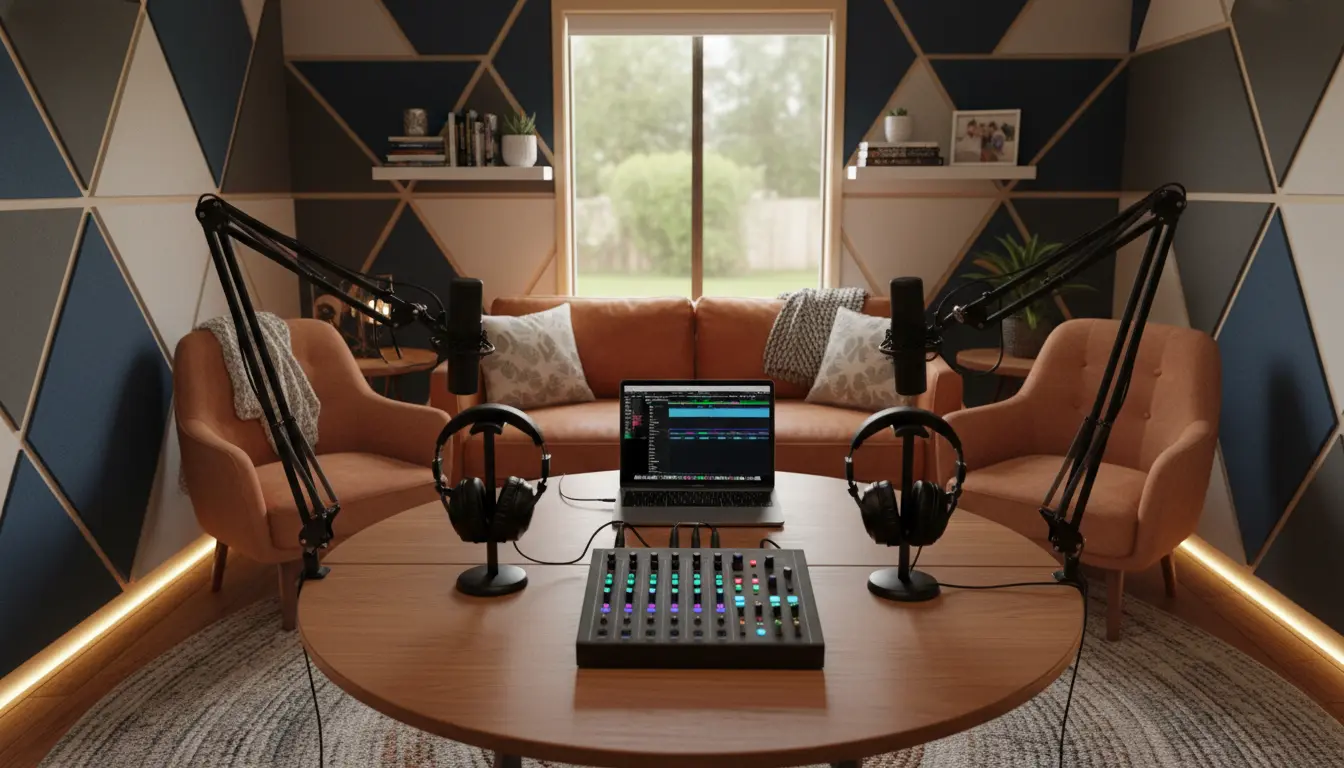
You don’t need expensive gear to begin. A basic setup can deliver good sound and reduce technical hurdles.
How to Start a Podcast: Equipment Checklist
- USB or XLR microphone (USB is simpler for beginners)
- Headphones to monitor audio
- Computer with recording software (Audacity, GarageBand, or a DAW)
- Optional: pop filter and mic stand

Set a quiet recording space and do a quick sound check before each episode. Consistent audio quality matters more than high-end gear.
How to Start a Podcast: Record and Edit
Recording and editing are the most technical parts, but basic processes are easy to learn. Focus on clarity and pacing rather than perfection.
How to Start a Podcast: Recording Tips
- Position the mic 6–12 inches from your mouth
- Speak clearly and at a steady pace
- Record in small segments to make editing easier
How to Start a Podcast: Editing Tips
Use simple editing tools to remove long pauses, filler words, and mistakes. Add music or sound effects sparingly to maintain a professional tone.

Export audio as MP3 or WAV depending on hosting requirements. Aim for consistent loudness across episodes to improve listener experience.
How to Start a Podcast: Publish and Host
To reach listeners, you need a podcast host and an RSS feed. Hosting services distribute your episodes to platforms like Apple Podcasts, Spotify, and Google Podcasts.
- Choose a podcast host (Libsyn, Podbean, Buzzsprout, or others)
- Upload episode files and add metadata (title, description, episode number)
- Submit the RSS feed to major directories
How to Start a Podcast: Promote Your Show
Promotion helps you find listeners and grow. Use consistent branding and multiple channels to reach your target audience.
How to Start a Podcast: Promotion Strategies
- Create a short, descriptive show description with keywords
- Share episodes on social media and in relevant online communities
- Transcribe episodes to improve SEO and accessibility
- Collaborate with guests and other podcasters to tap new audiences
Repurpose episode highlights into short clips for social platforms. Small, regular promotion efforts compound over time.
Monetization Basics
Monetization comes later. Start by building an audience, then explore sponsorships, listener support, affiliate links, or premium content.
- Sponsorships begin when you have steady downloads per episode
- Patreon or membership platforms work for exclusive episodes
- Merch or live events are options for established shows
Real-World Example: Local Chef Podcast Case Study
A local chef launched a weekly 25-minute podcast about home cooking. They used a USB mic, recorded in their kitchen early mornings, and published five episodes before launching.
After submitting the RSS to major platforms and sharing episodes on Instagram and a local food Facebook group, downloads grew to 1,500 per episode in three months. The chef added sponsorships from local suppliers and began selling recipe e-books to listeners.
Key takeaways: consistent schedule, focused content, and targeted promotion delivered steady growth without expensive equipment.
Common Mistakes and How to Avoid Them
- Skipping planning: draft 5 episodes before you publish
- Poor audio quality: do test recordings and adjust mic placement
- Inconsistent publishing: choose a schedule you can keep
- No promotion: plan weekly promotional tasks for each episode
Next Steps
Start with planning: choose your topic, outline episodes, and record a pilot. Test your recording setup, edit the pilot, and get feedback before publishing your first batch.
Keep learning as you go. Small improvements in audio and promotion will compound into a reliable audience over time.