
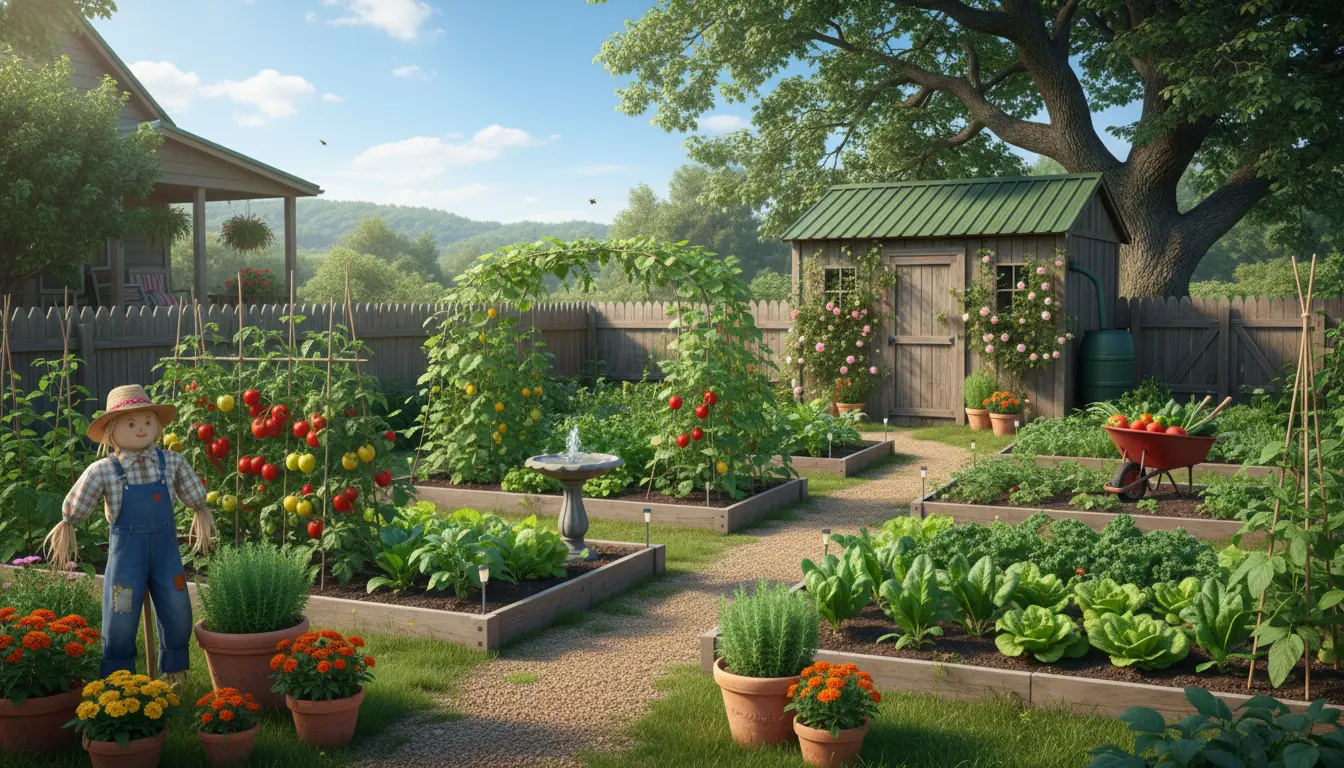
Starting a vegetable garden doesn’t require a large budget. This guide explains practical, low-cost steps to plan, build, and maintain a productive garden using common materials and smart choices.
Why choose a low-cost vegetable garden
A low-cost vegetable garden reduces grocery bills and improves food quality. It is ideal for small yards, balconies, and community plots where resources are limited.
Focus on simple investments with the highest returns: good soil, appropriate crops, and efficient watering.
Planning your low-cost vegetable garden
Start by assessing space, sun exposure, and water access. Most vegetables need 6–8 hours of sun; note the brightest spots before you plan beds or containers.
Choose compact or high-yield crops for small spaces to maximize production per square foot.
Selecting crops for a low-cost vegetable garden
Pick easy-to-grow, high-value vegetables that produce more per seed or plant. Examples include tomatoes, kale, chard, beans, lettuce, and herbs.
Use succession planting to harvest multiple crops across a season and increase yield without expanding space.
Low-cost bed and container options
You can use raised beds, in-ground rows, or containers. Each method has cost-saving options and trade-offs.
Inexpensive raised beds
- Reclaimed wood: Look for untreated pallets or scrap lumber from local businesses.
- Straw bale beds: Stack bales to form temporary raised beds; condition the bales before planting.
- Recycled materials: Use bricks, cinder blocks, or salvaged metal sheets to outline beds.
Low-cost containers
- Reused buckets and crates: Drill drainage holes and line with landscape fabric.
- Fabric grow bags: Affordable and good for root health.
- Large plastic pots: Often available secondhand or on sale.
Soil and compost on a budget
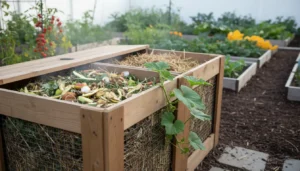
Soil quality matters more than fancy beds. Invest time in building soil with low-cost or free inputs.
Start a compost pile with kitchen scraps, yard waste, and shredded paper. Compost is the best low-cost soil amendment for fertility and structure.
Fast soil improvements
- Topdress beds with compost each season to add nutrients and retain moisture.
- Add mulches like straw or leaf litter to reduce weeds and watering frequency.
- Mix local topsoil with compost at a 2:1 ratio for containers and raised beds.
Seeds, seedlings, and saving money
Buying seeds is cheaper than purchasing plants. Start seeds indoors or in a simple greenhouse made from clear plastic and a frame.
Save seeds from heirloom varieties for future seasons to reduce long-term costs.
Watering and irrigation for low-cost vegetable gardens
Efficient watering saves both water and money. Use drip irrigation, soaker hoses, or simple hand-watering with a watering can for small gardens.
Collect rainwater in barrels where legal and safe. Mulch heavily to reduce evaporation and watering frequency.
Pest and disease management without expensive products
Preventive practices are cheaper than chemical controls. Rotate crops, encourage beneficial insects, and remove diseased plants promptly.
Use barriers like row covers and handpick pests when possible. Homemade solutions like soap spray can control soft-bodied insects.
Maintenance routines for sustained savings
Regular tasks keep the garden productive with minimal cost. Check plants weekly for pests, water needs, and support requirements.
Prune, harvest promptly, and replace spent plants to keep beds productive throughout the season.
Seasonal checklist
- Spring: Prepare beds, sow seeds, install supports.
- Summer: Mulch, harvest, manage pests.
- Fall: Remove spent crops, add compost, plant cover crops if possible.
Did You Know?
Growing your own herbs and salad greens can reduce grocery spending on fresh produce by up to 30% for an average household when planted in a compact space.
Case study: Small city lot to productive garden
Maria converted a 10 x 8 foot patch beside her apartment into a productive low-cost vegetable garden. She used reclaimed pallet wood for two raised beds and filled them with a mix of local topsoil and homemade compost.
Initial cost: $35 for soil amendments and seeds. First season yield: multiple harvests of lettuce, chard, basil, and four tomato plants that provided consistent salad greens and several kilograms of tomatoes.
Outcome: Maria reduced her weekly produce budget by half in peak months and had extra produce to share with neighbors.
Quick checklist to start your low-cost vegetable garden
- Assess sun and water access.
- Choose high-return crops suitable for your space.
- Build beds or collect containers from recycled sources.
- Make or source compost to improve soil affordably.
- Start seeds and save some for future seasons.
- Use mulch and efficient watering to conserve resources.
Starting a low-cost vegetable garden is about smart choices more than big spending. With basic tools, free or inexpensive materials, and a small time commitment, you can grow meaningful amounts of fresh produce and reduce ongoing grocery costs.