
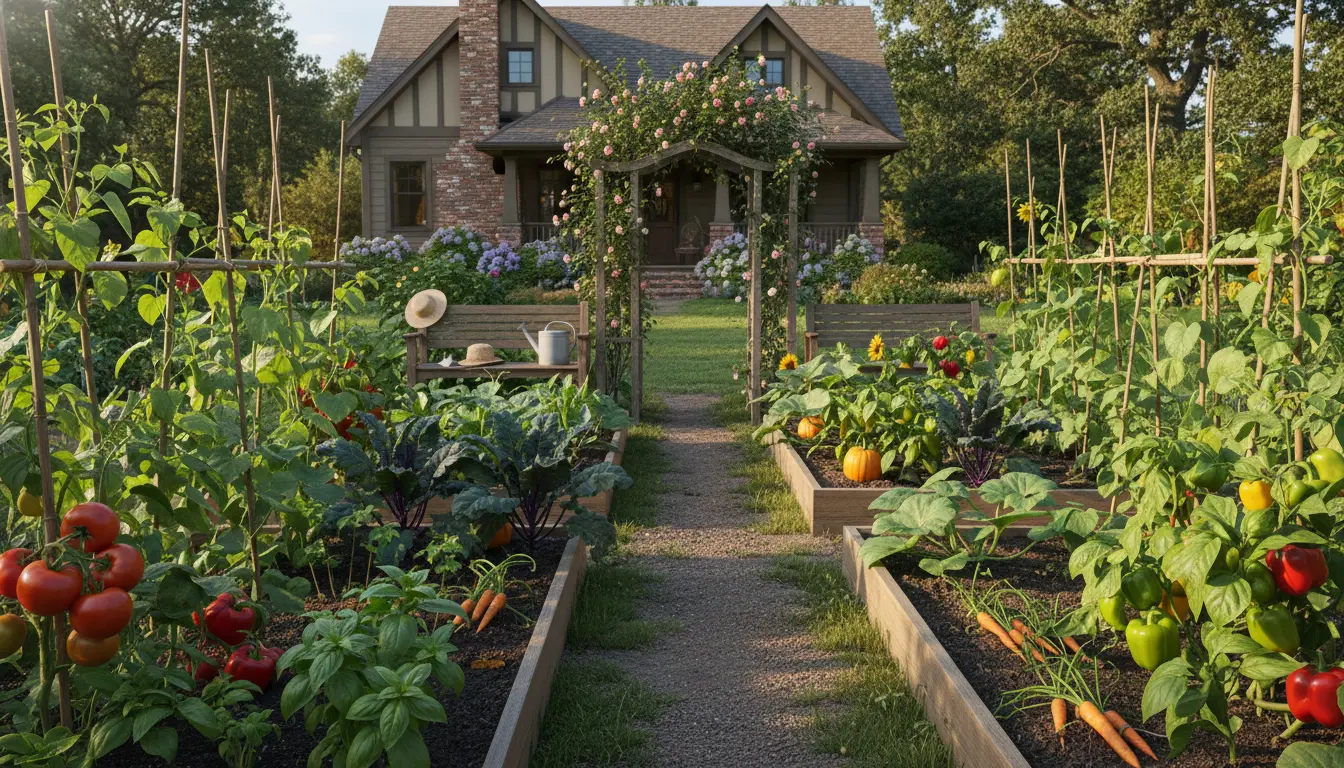
Starting a home vegetable garden can be simple and rewarding. This guide gives practical steps to plan, plant, and maintain a garden that fits your space and climate.
Planning Your Home Vegetable Garden
Good planning reduces wasted time and increases yield. Start with a realistic list of what you and your household will eat and how much time you can commit each week.
Choose the Right Location for Your Home Vegetable Garden
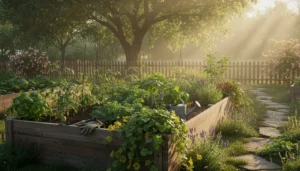
Vegetables generally need at least six hours of direct sunlight. Choose a spot with even sun exposure and good drainage to avoid waterlogged roots.
Consider access to water, wind protection, and proximity to your kitchen for easy harvesting. If ground space is limited, raised beds or containers work well.
Decide Garden Size and Layout
Start small to avoid being overwhelmed. A 4×8 foot raised bed or several containers is often enough for a beginner and provides quick wins.
- 4×4 or 4×8 raised beds for ease of reach
- Containers for balconies and patios
- Row planting for larger plots
Soil, Tools, and Supplies for a Home Vegetable Garden
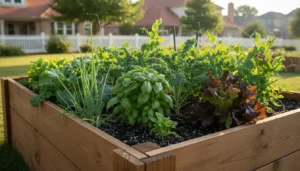
Healthy soil is the foundation of a productive garden. Test soil pH and texture, then amend it with compost and organic matter as needed.
Essential Tools and Materials
Gather a small set of reliable tools to make work easier. Quality tools save time and frustration over repeated use.
- Hand trowel and fork
- Hoe or cultivator
- Watering can or hose with a gentle nozzle
- Compost or well-rotted manure
- Mulch to retain moisture and suppress weeds
Picking Vegetables for Your Home Vegetable Garden
Choose crops suited to your climate and season. Beginners should select fast-growing, low-maintenance vegetables for reliable success.
Easy Vegetables to Start With
- Leafy greens: lettuce, spinach, kale
- Root vegetables: radishes, carrots, beets
- Nightshades and beans: tomatoes, bush beans (if your climate supports them)
- Herbs: basil, parsley, chives for quick returns
Planting and Maintenance for Your Home Vegetable Garden
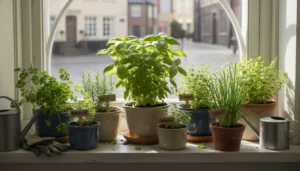
Follow planting dates for your region and prepare the soil before sowing or transplanting. Keep seed packets or plant tags handy for spacing and depth guidelines.
Watering, Fertilizing, and Mulching
Water deeply and less often rather than shallow, frequent watering. Aim to keep soil consistently moist but not saturated.
- Water early in the morning to reduce evaporation
- Add compost or balanced organic fertilizer at planting and mid-season
- Mulch with straw, wood chips, or leaf mulch to conserve moisture
Pest and Disease Management
Use integrated pest management: monitor regularly, remove affected leaves, and encourage beneficial insects. Row covers help protect young plants from insects and frost.
Rotate crops yearly to reduce disease buildup. Choose resistant varieties when available.
Companion planting can reduce pests and improve yields. For example, planting basil near tomatoes can enhance tomato flavor and deter some pests.
Small Real-World Case Study
Case study: Sarah started a 4×8 raised bed in her suburban backyard. She prepared soil with a 50/50 mix of topsoil and compost and planted bush beans, lettuce, cherry tomatoes, and basil.
In her first season she spent about 30 minutes, three times a week, on watering, weeding, and harvesting. Her yield covered salads and fresh herbs for her family all summer, and she saved seed for next year.
Lessons learned: start small, rotate crops, and add mulch to reduce watering time.
Harvesting and Scaling Your Home Vegetable Garden
Harvest frequently to encourage production—many vegetables produce more when picked regularly. Read crop-specific notes: some items like beans produce best when harvested young.
How to Scale Your Vegetable Garden
Once you have consistent success, expand by adding another raised bed, staggered plantings for continual harvests, or vertical supports for vining crops.
- Stagger plantings every 2–3 weeks for continuous harvest
- Add trellises for peas and beans to increase yield per square foot
- Save seeds from open-pollinated varieties to reduce seed costs
Quick Troubleshooting Guide for Home Vegetable Gardens
- Yellow leaves: check watering and nutrient levels
- Stunted growth: test soil pH and add compost
- Holes in leaves: inspect for caterpillars and beetles
Starting a home vegetable garden is a step-by-step process that rewards planning and consistent care. Keep records of what you plant and when, and adjust each season based on observations. With small, practical steps you can grow fresh vegetables at home and expand as your confidence grows.