
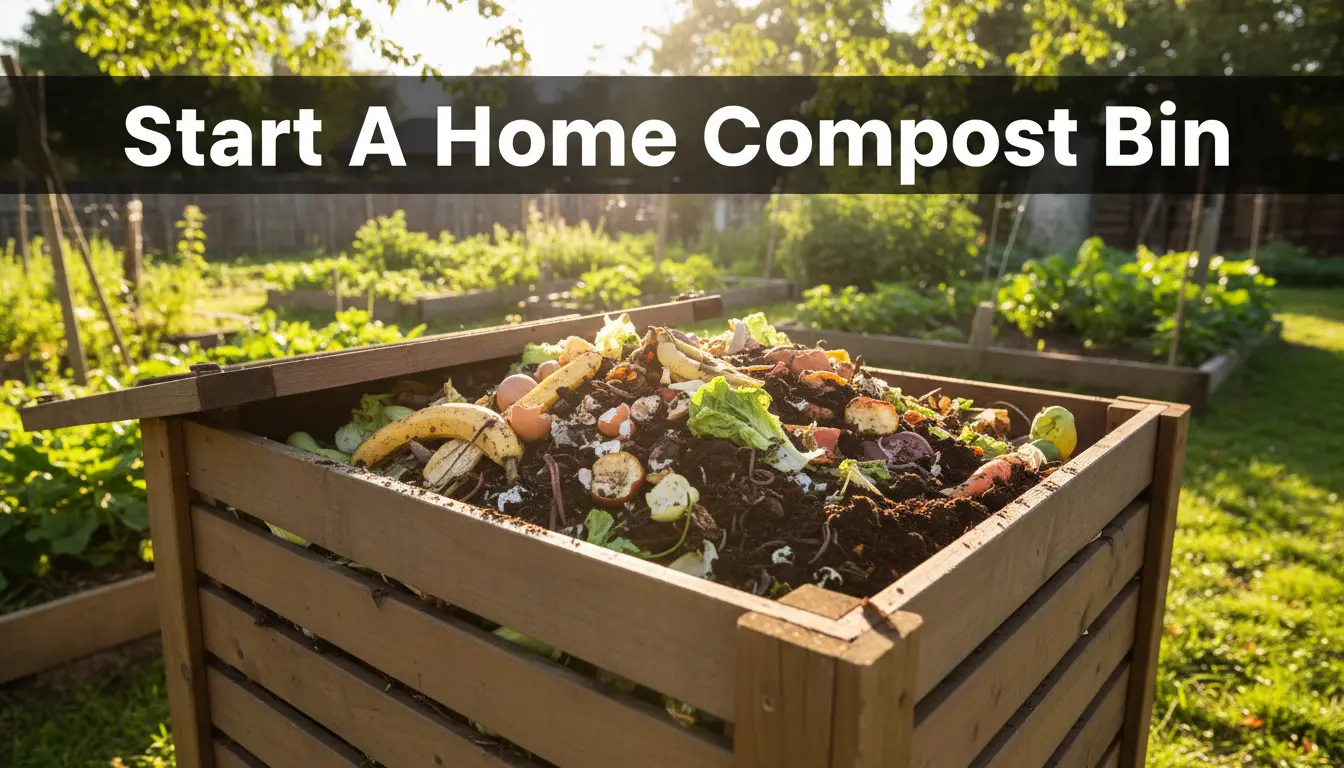
Creating a home compost bin is a practical way to cut kitchen waste and produce rich soil for plants. This guide walks through simple, actionable steps so you can set up and maintain a healthy compost system at home.
Why a Home Compost Bin Matters
A home compost bin reduces landfill waste and returns nutrients to your garden. It saves money on soil amendments and improves soil structure, water retention, and plant health.
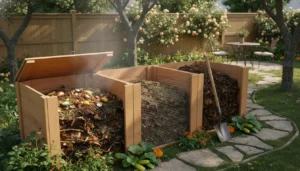
Even small-scale composting works well for apartments or homes with yards. The key is consistent input and basic maintenance.
Choose the Right Home Compost Bin
Select a bin that fits your space and needs. Options range from simple DIY piles to enclosed tumblers and stationary bins.
- Open pile: Best for large yards; minimal expense.
- Stationary bin: Affordable, keeps pests out, suitable for backyard use.
- Compost tumbler: Speeds up aeration and decomposition with regular turning.
- Indoor bokashi or worm bin: Good for apartments or kitchens, handles food scraps efficiently.
Placement and Size for a Home Compost Bin
Place the bin on bare soil or a well-draining surface. Choose a location that is convenient for adding scraps and turning material.
Start with a bin size of at least 3×3 feet (or a 40–60 gallon tumbler) for effective heat retention and microbial activity.
Materials Needed for a Healthy Home Compost Bin
Successful composting depends on a balance of carbon-rich and nitrogen-rich inputs. Assemble these materials before you begin.
- Greens (nitrogen): fruit and vegetable scraps, coffee grounds, fresh grass clippings.
- Browns (carbon): dry leaves, shredded paper, cardboard, straw.
- Air: regular turning or a tumbler to supply oxygen.
- Moisture: water as needed to maintain damp, not soggy, conditions.
Basic Recipe
A good rule is 2–3 parts browns to 1 part greens by volume. Adjust based on how the pile looks and smells.
Step-by-Step Setup for a Home Compost Bin
Follow these steps to get your bin started and productive.
- Layer a base of coarse browns like twigs to help drainage.
- Add alternating layers of greens and browns, keeping the overall ratio in mind.
- Moisten each layer so it feels like a damp sponge.
- Cover food scraps with a layer of browns to limit odors and flies.
- Turn the pile every 1–2 weeks or spin the tumbler per manufacturer instructions.
Maintaining Your Home Compost Bin
Regular maintenance keeps decomposition active and prevents problems. Monitor three things: moisture, aeration, and temperature.
- Moisture: Add water during dry spells; cover during heavy rain to prevent saturation.
- Aeration: Turn the pile or use a tumbler to add oxygen to microbes.
- Temperature: Hot composting (130–160°F) speeds breakdown; smaller or shaded piles will compost more slowly.
Troubleshooting Common Issues
Bad smells usually mean too much green or poor aeration—add browns and turn the pile. Slow decomposition can result from a lack of nitrogen, moisture, or small particle size; chop material and adjust the balance.
Harvesting and Using Compost from a Home Compost Bin
Finished compost is dark, crumbly, and earthy-smelling. Depending on conditions, it can be ready in 2–6 months for hot systems or 6–12 months for cooler or slower systems.
Use finished compost:
- As a top dressing for lawns and garden beds.
- Mixed into potting soil at 10–30% by volume for container plants.
- As a seed-starting mix component when screened to remove large particles.
Case Study: Small Backyard Home Compost Bin
Maria, a gardener in Portland, started a 55-gallon tumbler in spring. She balanced fruit and vegetable scraps with shredded leaves from fall, turned the tumbler twice weekly, and kept moisture consistent.
After about three months, her compost was ready and she used it to top-dress tomatoes. Plants showed improved vigor and required less supplemental fertilizer that season.
Practical Tips and Examples for Long-Term Success
Keep a small countertop container for scraps to reduce trips outside and freeze odor-prone items if you won’t add them daily. Shredding or chopping materials speeds decomposition.
Examples of materials to avoid: meat, dairy, oily foods, diseased plants, and pet waste typically attract pests or introduce pathogens.
With a reliable routine and simple adjustments, a home compost bin becomes a low-effort source of valuable compost. Start small, observe, and refine your approach based on what your pile needs.