
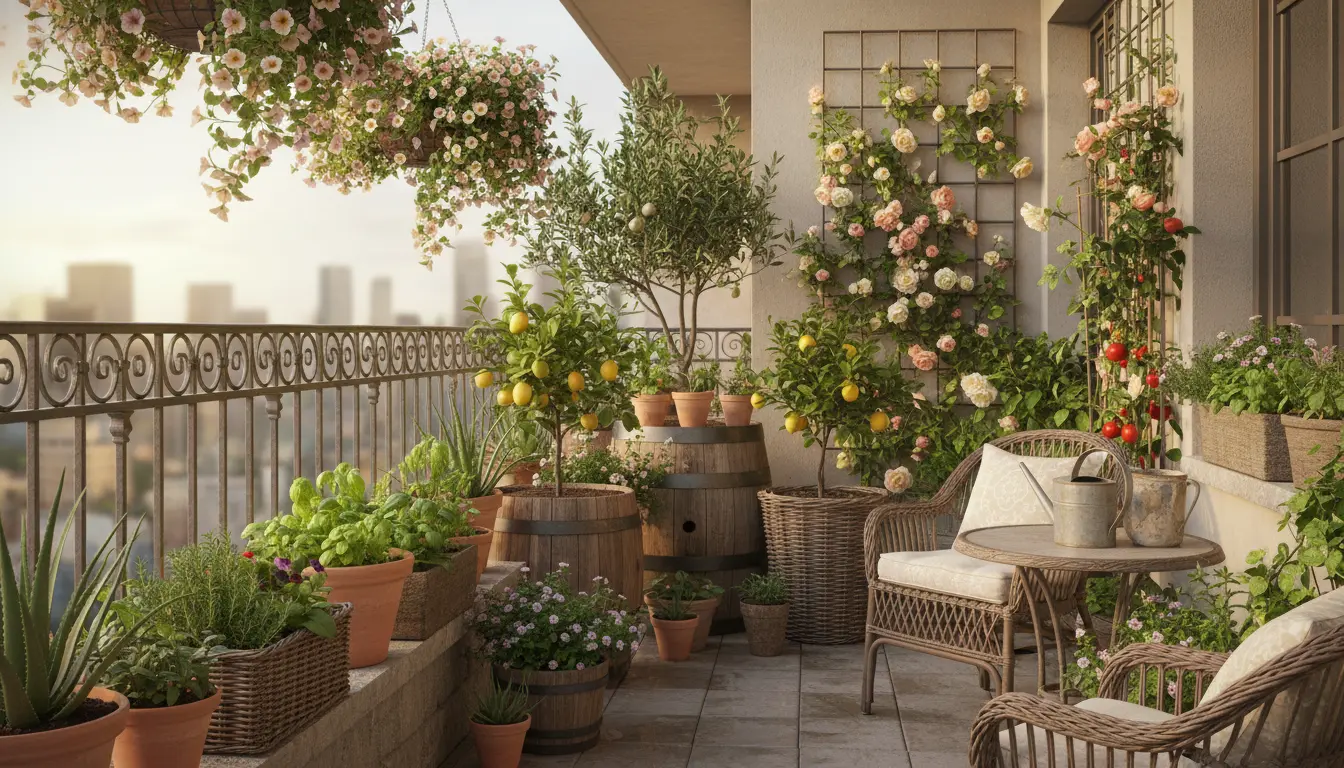
Container vegetable gardening lets you grow fresh produce on a balcony, patio, or small yard. This guide gives clear, practical steps to set up and maintain a productive container vegetable garden.
Why Choose a Container Vegetable Garden
Container gardens are flexible, space-efficient, and easier to manage than in-ground beds. They reduce weeds, improve drainage, and bring gardening within reach for renters and apartment dwellers.
Most vegetables do well in containers if you match the plant to the pot size, use quality soil, and provide consistent care. With the right approach, you can get high yields in a limited area.
How to Start a Container Vegetable Garden
1. Choose the Right Location
Sunlight is the single most important factor. Most vegetables need at least 6 hours of direct sun daily. Observe your space at different times to find the sunniest spot.
Also consider wind, access to water, and weight limits if you are on a balcony. Choose a site that makes it easy to water and tend plants.
2. Selecting Containers for a Container Vegetable Garden
Pick containers with drainage holes to prevent waterlogging. Size matters: deeper pots are better for root crops, while wide containers work for leafy greens and herbs.
- Small pots (1–3 gallons): herbs, lettuce, radishes
- Medium pots (5–10 gallons): peppers, dwarf tomatoes, bush beans
- Large pots (15+ gallons): indeterminate tomatoes, squash, potatoes
Materials like plastic, terracotta, and fabric pots each have pros and cons for weight, breathability, and cost. Choose based on your climate and how often you move plants.
3. Use the Right Soil and Amendments
Use a high-quality potting mix formulated for containers. These mixes drain well and hold moisture without compacting. Avoid using garden soil alone, which can compact and restrict roots.
Amend with compost for nutrients and a slow-release fertilizer to support steady growth. Replenish nutrients every 4–6 weeks with liquid feed during the growing season.
4. Watering and Drainage
Containers dry out faster than garden beds. Water deeply until excess drains from the bottom, then check daily in hot weather. A consistent schedule prevents stress and uneven fruiting.
Consider drip irrigation or self-watering containers to reduce watering work. Place saucers under pots to protect surfaces, but empty saucers after watering to avoid root rot.
5. Choosing the Best Plants for a Container Vegetable Garden
Select plants suited to containers and your climate. Fast-growing, compact varieties work best for small spaces.
- Leafy greens: lettuce, spinach, Swiss chard
- Herbs: basil, parsley, cilantro
- Fruiting plants: cherry tomatoes, peppers, dwarf eggplant
- Root crops: radishes, baby carrots, small potatoes
Read plant labels for mature size and growth habit. Choose bush or patio varieties for tighter spaces.
Maintenance Tips for a Healthy Container Vegetable Garden
Pruning and Training
Train tomatoes and vining plants with stakes or cages to save space. Pinch back excess growth on herbs to encourage bushiness and delay flowering for more leaf production.
Pest and Disease Management
Inspect plants weekly for pests like aphids, whiteflies, and slugs. Use hand removal, insecticidal soap, or beneficial insects when needed. Good air circulation and clean containers reduce disease risk.
Seasonal Care
Rotate crops between seasons to reduce pests and nutrient depletion. In cold climates, move containers indoors or use frost covers for early or late-season growth.
Container-grown herbs can have the same flavor intensity as garden-grown herbs when harvested young and used fresh. Frequent light harvesting encourages new growth.
Small Real-World Example
Case Study: Anna, a city apartment gardener, converted a 6-foot balcony into a container vegetable garden. She used three 10-gallon pots for tomatoes, two 5-gallon pots for peppers, and several 2-gallon pots for herbs and lettuce.
By following a watering schedule, using quality potting mix, and supplying a monthly fertilizer, Anna harvested cherry tomatoes and basil from June to October. She saved money on groceries and enjoyed regular fresh salads.
Quick Checklist to Start Your Container Vegetable Garden
- Choose a sunny spot with easy water access
- Select containers with proper size and drainage
- Use a quality potting mix and add compost
- Pick compact or bush varieties suited for containers
- Set a regular watering and feeding routine
- Monitor for pests and prune as needed
Starting a container vegetable garden is an achievable project with a high reward. With the right containers, soil, and care, you can produce meaningful harvests even in tight urban spaces.
Follow this plan, track your plants, and adjust based on results. In a single growing season you can learn what works in your microclimate and expand your container garden the next year.