
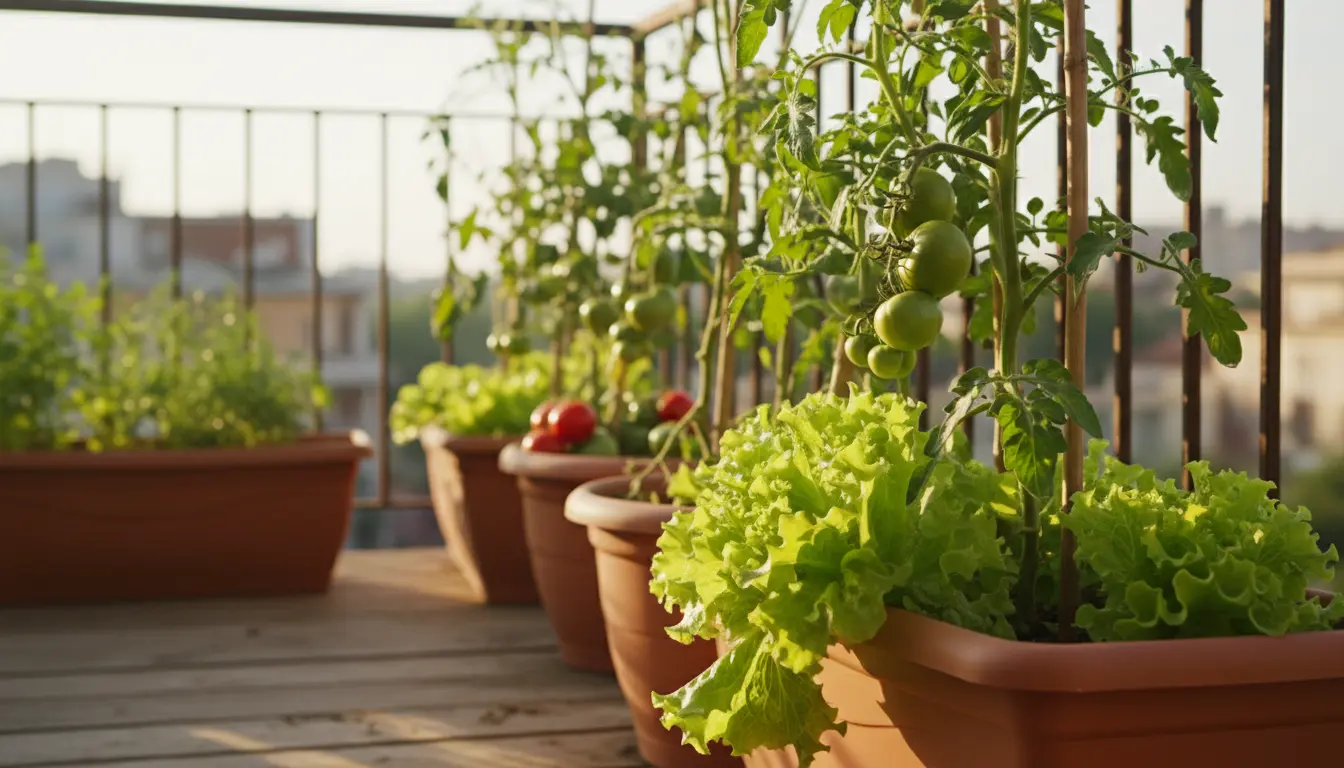
Growing vegetables in containers makes fresh food possible for people with limited outdoor space. This guide covers practical steps to set up a productive container vegetable garden on a balcony, patio, or small yard.
Plan Your Container Vegetable Garden
Start by assessing light, space, and weight limits. Most vegetables need 6–8 hours of direct sun; shade-tolerant greens can do with less.
Decide how many containers you can fit and what you want to grow. Choose compact or dwarf varieties when space is tight.
- Measure available space and note sun hours per location.
- Plan containers by size and drainage capability.
- Choose 2–6 plant types for the first season to simplify care.
Choose Containers for a Container Vegetable Garden
Select containers that suit the plants and area. Larger pots hold moisture longer and support bigger root systems.
Examples of suitable containers include terraces, wooden planters, plastic pots, and grow bags. Ensure all have drainage holes.
Container Size Guidelines for a Container Vegetable Garden
- Leafy greens: 6–10 inch deep pots
- Herbs and radishes: 8–12 inch pots
- Tomatoes, peppers: 12–18 inch pots or larger
- Root crops like carrots: 12–18 inch deep containers
Pick the Right Soil and Fertilizer
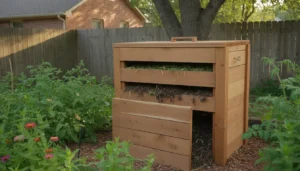
Use a high-quality potting mix labeled for containers. Avoid garden soil because it compacts and drains poorly in pots.
Mix in slow-release granular fertilizer or use liquid feed every 2–4 weeks during the growing season. Balanced N-P-K numbers like 10-10-10 work for most vegetable mixes.
- Potting mix + compost (20%) improves fertility and water retention.
- Perlite or coco coir can improve drainage if needed.
- Top-dress with compost mid-season for continued nutrients.
Planting and Spacing in a Container Vegetable Garden
Follow seed packet and plant tag spacing, but remember containers can allow closer planting for some crops. Use interplanting to maximize yields.
Examples of complementary container planting:
- Tomato + basil in a large pot (basil deters pests and improves flavor)
- Lettuce planted around the edge of a tomato container to save space
- Radishes between slow-growing carrots to use space while carrots mature
Starting from Seed vs. Transplants
Seeds are cheaper but take longer. Transplants give faster harvests and reduce early pest problems. For beginners, start with transplants for tomatoes, peppers, and eggplants.
Watering and Drainage for a Container Vegetable Garden
Containers dry out faster than ground beds, especially in warm weather. Water deeply so the full root zone is moistened, then allow the top inch to dry before watering again.
Consider these watering tips:
- Use a moisture meter or finger test to check soil dampness.
- Mulch the top of containers with straw or shredded bark to reduce evaporation.
- Install self-watering containers or a simple drip system to maintain consistent moisture.
Pest, Disease, and Maintenance in a Container Vegetable Garden
Containers reduce many soil-borne diseases but do not eliminate pests. Inspect plants weekly and remove damaged leaves promptly.
Some maintenance tasks:
- Pinch off suckers on indeterminate tomatoes to improve airflow.
- Stake or cage vining plants to prevent stems from breaking.
- Rotate crops seasonally and refresh potting mix each season to avoid nutrient depletion.
One large tomato plant in a 20-inch container can produce 10–15 pounds of fruit in a single season when properly fed and watered.
Harvesting and Extending the Season in a Container Vegetable Garden
Harvest regularly to encourage more production. Pick leafy greens young for tenderness and remove ripe tomatoes as they soften.
To extend the season, move containers to a sunnier spot, use row covers on cool nights, or bring small pots indoors during frost.
Winter Care
For overwintering herbs or small greens, place containers near a south-facing window or under grow lights. For larger pots, consider insulating containers or emptying and storing them.
Simple Case Study: Maria’s Balcony Container Vegetable Garden
Maria had a 6-foot balcony with 4 hours of sun. She placed two 18-inch pots for cherry tomatoes and two 12-inch planters for lettuces and herbs.
She used commercial potting mix, slow-release fertilizer, and a drip watering kit. By week 10 she harvested her first tomatoes and continued to pick salad greens through the season.
Results and lessons:
- Yield: 6–8 pounds of cherry tomatoes and continuous salad greens.
- Lesson: Larger pots reduced watering frequency and produced healthier plants.
- Tip: Growing a mix of quick and long-season crops kept the balcony productive.
Quick Checklist to Start Your Container Vegetable Garden
- Assess sun and space
- Choose appropriate container sizes
- Buy quality potting mix and starter fertilizer
- Select plants suited to your light and container size
- Set up a simple watering routine
- Monitor pests and rotate crops each season
Container vegetable gardening is a practical way to grow food in limited space. Start simple, learn from each season, and scale up as you gain confidence.