
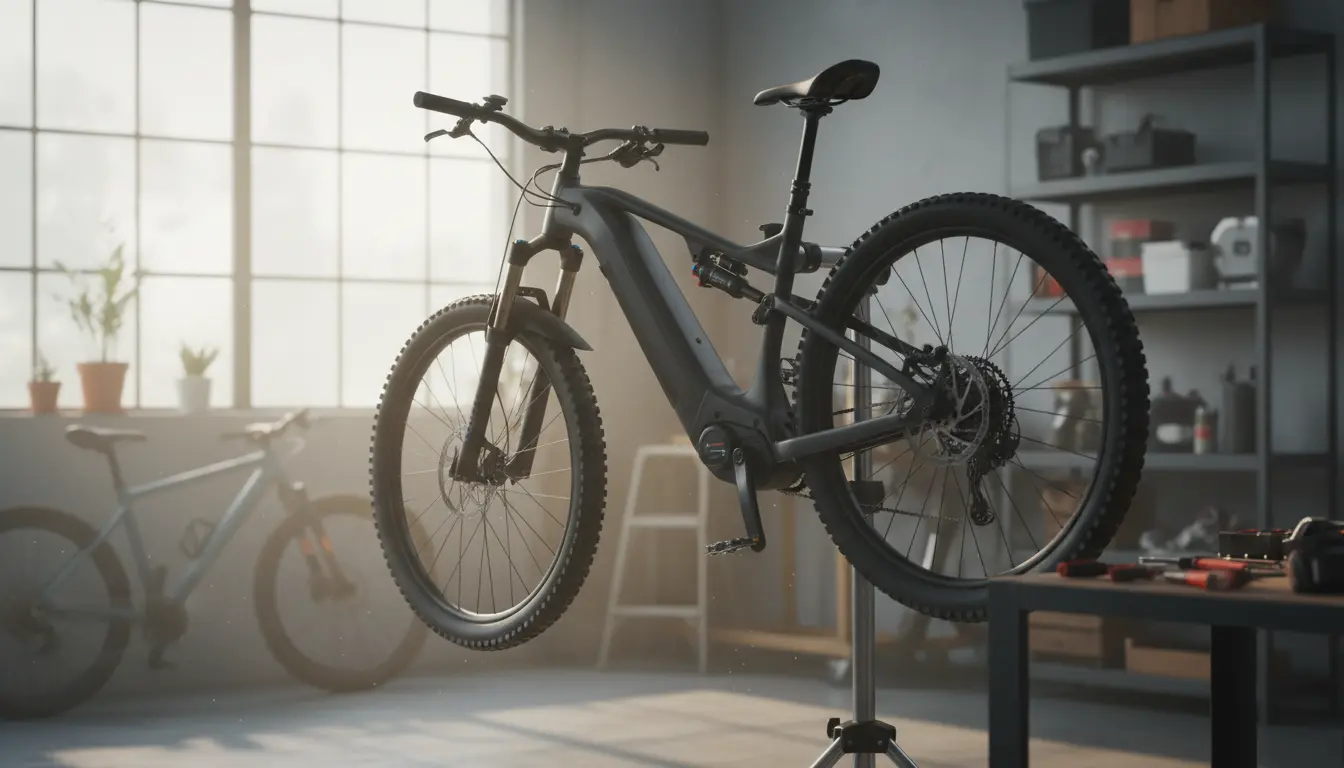
Regular care keeps an electric bike reliable and safe. This guide gives clear, practical steps for everyday electric bike maintenance, helping you avoid breakdowns and costly repairs.
Why electric bike maintenance matters
Electric bikes combine mechanical and electrical systems that need different attention than a regular bike. Proper maintenance improves performance, extends battery life, and reduces safety risks.

Follow a simple schedule and you can catch small issues early before they become expensive or dangerous.
Basic electric bike maintenance checklist
Use this checklist after every few rides or weekly if you ride often. It covers quick tasks that take only minutes.
- Visual inspection for damage, loose bolts, or frayed wires.
- Check tire pressure and look for embedded objects.
- Test brakes for pad wear and proper engagement.
- Wipe down frame and components to remove dirt and road grime.
- Listen for unusual noises when you pedal or use the motor.
Battery care for longer life
Battery health is central to electric bike maintenance. Proper charging and storage habits add years to battery life.
Charging best practices

Use the original charger or a manufacturer-approved replacement. Charge after rides if battery is below 50 percent; avoid letting it sit fully depleted for long periods.
Avoid charging in extreme heat or cold. Room temperature is best for both charging and storage.
Storage and seasonal care
Store the battery indoors at about 40–60 percent charge if you won’t use the bike for weeks. Remove the battery from the bike when storing the bike in damp or very cold environments.

For winter storage, keep the battery in a dry, cool place and recharge it monthly to prevent deep discharge.
Brakes, tires, and drivetrain maintenance
These mechanical systems affect safety and ride quality. Keep them clean, adjusted, and replaced when worn.
Tire and wheel care
- Check tire pressure before every ride and inflate to the manufacturer’s recommended PSI.
- Inspect tires for cuts, bulges, and embedded debris.
- True wheels if they wobble; a small wobble affects handling and sensor readings on some e-bikes.
Brake maintenance
Hydraulic and mechanical disc brakes require different checks. Test for consistent stopping power and listen for grinding sounds.
- Replace brake pads when thickness falls below the manufacturer’s minimum.
- Bleed hydraulic brakes per service interval or if they feel spongy.
- Keep rotors clean; use isopropyl alcohol to remove oil or grease.
Drivetrain and chain
Keep the chain clean and lubricated. A dry or rusty chain causes noise and accelerates wear on the cassette and chainrings.
- Clean the chain with a brush or chain-cleaner device every few weeks, depending on use.
- Apply a bike-specific lubricant and wipe off excess to prevent dirt buildup.
- Check gear shifting and adjust the derailleur alignment if shifting is slow or noisy.
Troubleshooting common electric bike problems
Most issues are minor and solvable without a shop visit. Use systematic checks to find the cause.
- No power: Verify battery charge, check the battery connection and fuse if present.
- Motor cuts out under load: Inspect connectors, look for water ingress, and ensure firmware is up to date.
- Strange noises: Isolate whether noise comes from the motor, drivetrain, or wheels before replacing parts.
Storing an electric bike battery at a partial charge (around 40–60 percent) slows down chemical aging and helps maintain capacity over years of use.
When to seek professional electric bike maintenance
Some repairs require specialist tools or knowledge of electrical diagnostics. Take your bike to a qualified e-bike technician if:
- There’s persistent motor cutting out or overheating.
- Battery shows swelling, leaks, or fails to hold charge after proper charging.
- Major wiring damage or control unit errors appear on the display.
Real-world example: Daily commuter case study
Jane commuted 15 miles daily on an e-bike and followed a simple routine: quick visual check, tire pressure, and battery top-up every evening. She cleaned the chain weekly and replaced brake pads annually.
After 18 months, her battery retained 88 percent capacity and she avoided motor issues. Small, regular tasks prevented most trips to the shop and kept downtime low.
Quick maintenance schedule you can follow
- After every ride: Visual inspection, battery check, tire pressure.
- Weekly: Wipe frame, quick chain lube, check brakes.
- Monthly: Deep clean drivetrain, inspect connectors and wiring.
- Yearly: Full service by a professional—battery health test and motor diagnostics.
Electric bike maintenance is manageable when you focus on routine checks and battery care. A few minutes of attention after each ride adds up to better safety, longer component life, and more reliable commuting or recreation.