
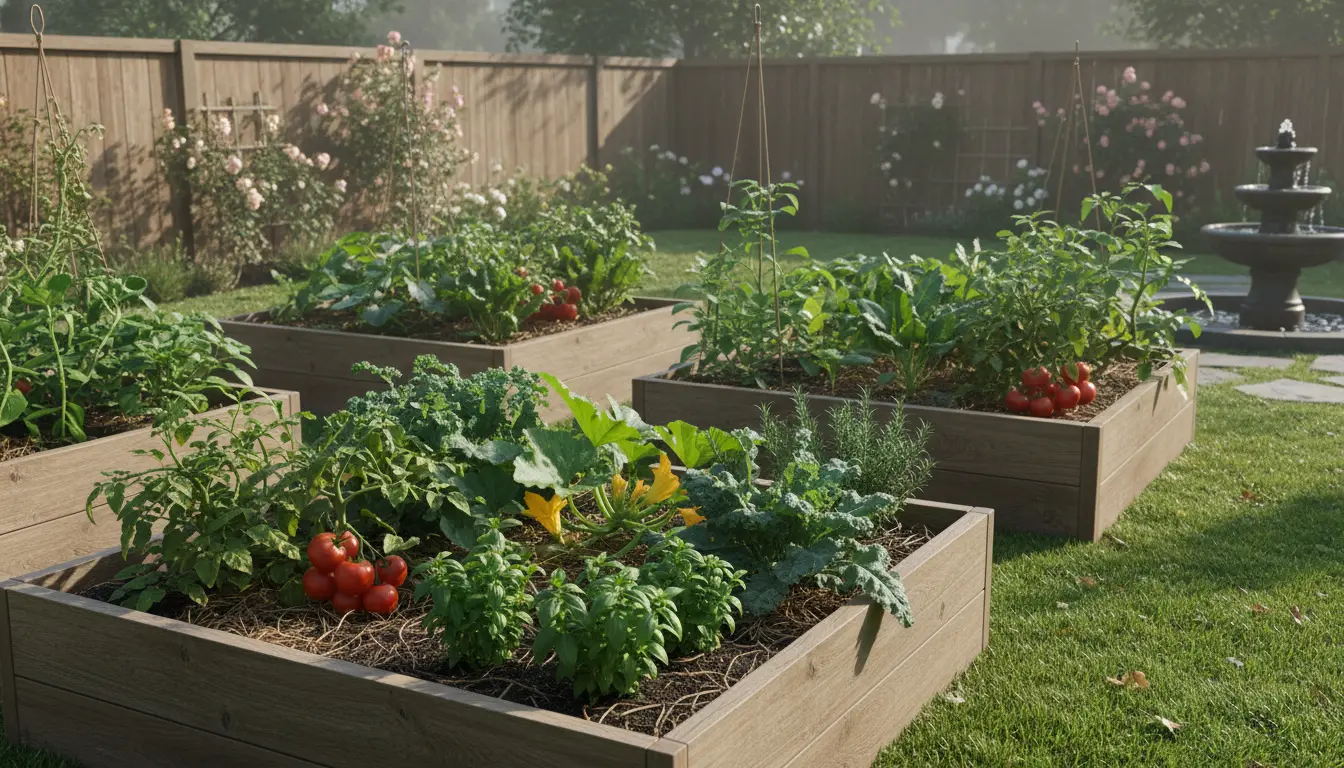
Growing a vegetable garden is a practical way to get fresh produce and learn basic garden care. This guide explains clear steps to set up and maintain a productive vegetable garden for beginners.
Plan Your Vegetable Garden
Before planting, pick a site that gets at least six hours of direct sunlight daily. Vegetables need sun to produce well, so avoid heavily shaded areas.

Decide on garden size based on available space and time for maintenance. Small raised beds or containers are ideal for beginners and reduce weeding.
Choose a Layout for Your Vegetable Garden
Common layouts include rows, raised beds, or container groupings. Raised beds make soil management easier and improve drainage.
Keep pathways wide enough for access and tools. Plan for watering access and nearby compost or storage.
Prepare Soil for a Healthy Vegetable Garden
Good soil is the foundation of a successful vegetable garden. Test the soil or check texture to understand what amendments are needed.
Most vegetables prefer loamy soil with a pH between 6.0 and 7.0. Add compost to improve nutrient content and structure.
Basic Soil Preparation Steps
- Remove grass and weeds from the bed area.
- Work in 2–4 inches of well-aged compost.
- Mix in a balanced slow-release fertilizer if needed.
- Rake surface smooth and avoid compacting the soil.
Choose Vegetables Suitable for Beginners
Start with easy, reliable crops that tolerate beginner mistakes. Tomatoes, lettuce, radishes, green beans, and herbs are good options.

Consider your climate and season when selecting varieties. Early-maturing types reduce risk from pests and weather swings.
Planting Tips for a Productive Vegetable Garden
Follow spacing and depth instructions on seed packets or plant tags. Crowded plants compete for light and nutrients.
Use succession planting to get steady harvests. Plant a new row of quick crops like lettuce every 2–3 weeks for continuous supply.
Watering and Mulching Your Vegetable Garden
Consistent watering is crucial for a healthy vegetable garden. Water deeply at the base of plants to encourage strong roots.
Mulch conserves moisture, suppresses weeds, and moderates soil temperature. Apply 2–3 inches of organic mulch like straw or shredded leaves.
Practical Watering Schedule
- Water young transplants daily until established.
- Established beds usually need 1–1.5 inches of water per week depending on weather.
- Use a soaker hose or drip irrigation to reduce leaf wetness and disease risk.
Pest and Disease Management in a Vegetable Garden
Monitor plants regularly and remove damaged leaves early to prevent spread. Small problems caught quickly are easier to manage.
Use cultural controls first: crop rotation, good spacing, and clean-up of plant debris. Introduce beneficial insects or use row covers for protection.
Safe Treatments for Common Pests
- Handpick larger pests like slugs and caterpillars.
- Apply insecticidal soap or neem oil for soft-bodied insects when needed.
- Rotate crops yearly to reduce soil-borne diseases.
Harvesting from Your Vegetable Garden
Harvest vegetables at peak ripeness for the best flavor and to encourage continued production. Check crops daily as they near maturity.
Use sharp scissors or a knife for clean cuts and to avoid damaging plants. Store produce properly to extend freshness.
Tomatoes grown in full sun with regular water can produce fruit in as little as 60 days for some varieties. Consistent care often matters more than expensive inputs.
Small Real-World Example
Case study: A beginner gardener started with two 4×4 raised beds on a sunny patio. They filled beds with a 50/50 mix of compost and topsoil and planted cherry tomatoes, basil, lettuce, and bush beans.
Within two months the gardener harvested lettuce weekly and tomatoes later in the season. Mulching and drip irrigation reduced watering time and nearly eliminated weeds.
Quick Checklist to Start Your Vegetable Garden
- Pick a sunny site with good drainage.
- Decide on raised beds or containers to simplify care.
- Amend soil with compost and test pH if possible.
- Choose beginner-friendly crops and follow spacing guidelines.
- Mulch, water deeply, and monitor for pests weekly.
A small, well-planned vegetable garden can yield fresh produce and teach essential gardening skills. Start simple, learn from each season, and expand as confidence grows.