
How to Compost at Home: Basics
Composting at home is a simple way to reduce food waste and create nutrient-rich soil for gardens and potted plants. This guide explains how to compost at home using small spaces or a backyard bin.
Composting relies on the right balance of materials, moisture, air, and time. Follow the steps below to set up a reliable home compost system.
How to Compost at Home: Step-by-Step
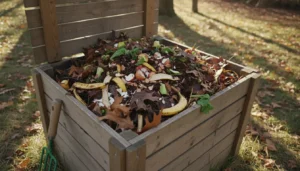
Start small and learn as you go. The basic steps are: choose a location, pick a bin, collect materials, manage the pile, and use the finished compost.
Choose a Location
Place your compost bin on bare soil if possible to allow worms and microorganisms to move in. Choose a spot with partial shade to avoid drying out in summer.
Keep it close enough to the kitchen for easy access but far enough to avoid smells near living areas.
Pick a Bin or Method
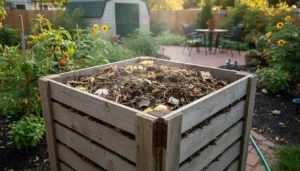
There are multiple options for how to compost at home. Common choices include stationary bins, tumblers, and simple compost heaps.
- Compost bin: Enclosed and neat, good for small yards.
- Tumbler: Faster mixing, less manual turning.
- Open heap: Cheap and flexible, needs more management.
Collect Materials: Browns and Greens
Successful composting depends on mixing carbon-rich “browns” with nitrogen-rich “greens.” Aim for roughly a 3:1 ratio by volume.
- Greens: Vegetable scraps, coffee grounds, fresh grass clippings.
- Browns: Dry leaves, shredded paper, straw, cardboard.
Do not add meat, dairy, or oily foods to an open bin to avoid pests. Small amounts of eggshells and coffee filters are fine.
Build and Maintain the Pile
Start with a layer of coarse browns to help airflow. Alternate layers of greens and browns and keep the pile moist like a wrung-out sponge.
Turn or aerate the pile every 1–2 weeks to speed decomposition and reduce odors. For tumblers, rotate according to the manufacturer’s guidance.
Troubleshooting: Common Problems When You Compost at Home
Problems are usually easy to fix. Smells mean too much green or not enough air. A dry pile means add water and greens.
Slow breakdown can be improved by cutting materials into smaller pieces, increasing moisture, and turning more often.
Pests and How to Avoid Them
To avoid rodents and flies, bury food scraps under a layer of browns and use a closed bin or tumbler. Avoid adding meat, bones, and dairy to home systems.
How to Compost at Home: Harvesting and Using Compost
Compost is ready when it is dark, crumbly, and smells earthy. This typically takes 2–12 months depending on conditions.
Use finished compost as a top dressing for lawns, mixed into potting soil, or folded into garden beds to improve soil structure and fertility.
Simple Uses of Homemade Compost
- Mix 1 part compost with 3 parts soil for potting mixes.
- Top-dress vegetable beds with a 1–2 inch layer in early spring.
- Use compost tea (steeped compost) as a mild liquid feed for plants.
Composting can divert up to 30% of household waste from landfills and cuts methane emissions from organic waste. Even apartment dwellers can compost using worm bins or bokashi systems.
Case Study: A Small Kitchen to Big Garden Change
Sarah, a homeowner with a small backyard, started composting at home using a 60-liter tumbler. She added kitchen scraps and yard trimmings, turning the tumbler twice a week.
Within four months she had rich compost she mixed into her raised beds. Her tomato plants produced earlier and larger fruits the next season, and she reduced weekly trash volume noticeably.
Advanced Tips for Better Home Composting
For faster compost, shred or chop materials before adding them. Layer fine materials to create more contact between microbes and food sources.
Consider a mix of aerobic (turned) composting and bokashi for meat scraps in apartments. Worm composting (vermicomposting) works well indoors for kitchen waste.
Equipment and Tools
- Pitchfork or compost aerator for turning.
- Shredder or scissors for cutting larger items.
- Thermometer to check active pile temperature if you want faster results.
Final Checklist: How to Compost at Home Successfully
- Choose a bin suited to your space and needs.
- Balance browns and greens; keep the pile moist and aerated.
- Avoid banned items like meat and dairy in open systems.
- Turn regularly, monitor smell and moisture, and harvest when crumbly.
Composting at home is adaptable and rewarding. Start small, observe your pile, and adjust as needed. With a little attention, you can turn everyday organic waste into a valuable soil amendment for your plants.