
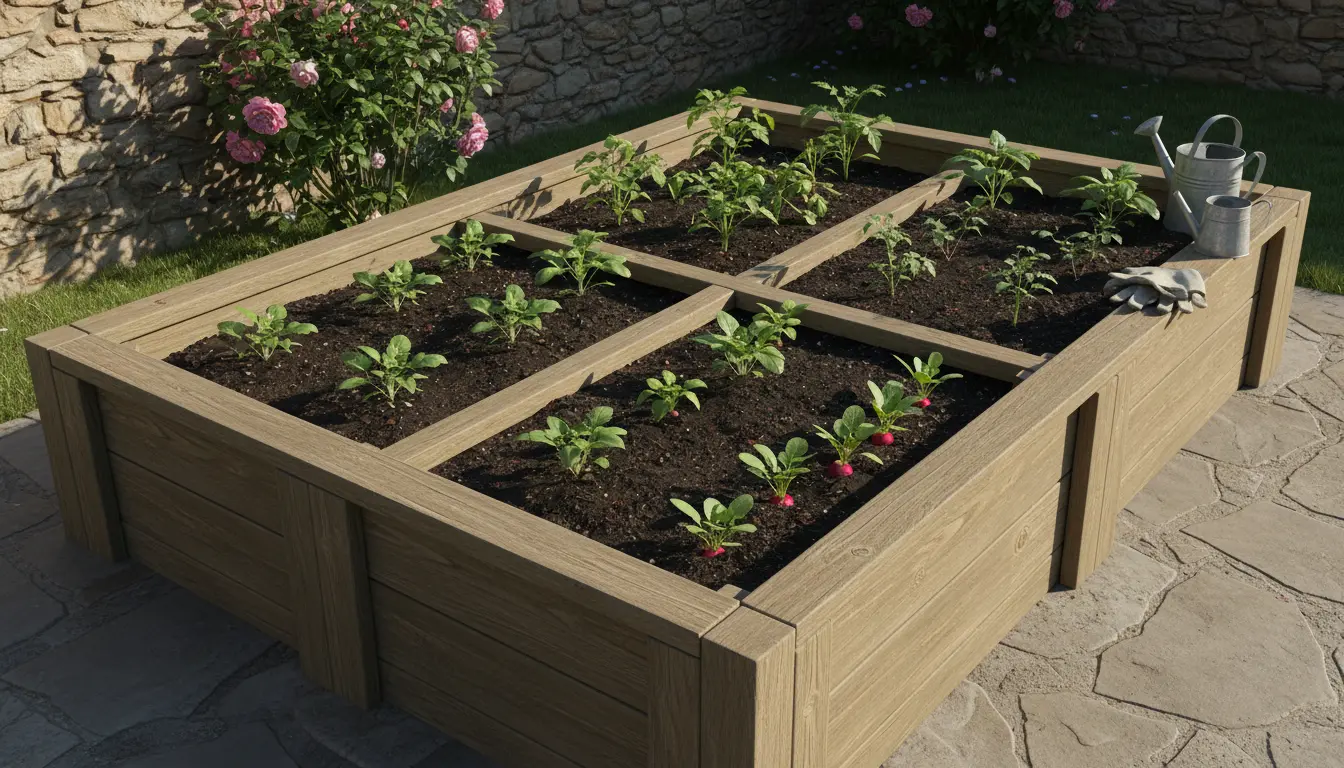
Raised garden beds are a simple way to improve drainage, control soil quality, and grow more in less space. This guide gives practical, step-by-step instructions to plan, build, and maintain a raised garden bed for vegetables, herbs, or flowers.
Why Choose a Raised Garden Bed
A raised garden bed warms faster in spring and drains better than in-ground plots. That makes it easier to start plants earlier and reduce root diseases.
Raised beds also let you control soil structure and nutrients, reduce bending when you work, and define neat planting areas. They work well on patios, slopes, and poor native soils.
How to Build a Raised Garden Bed
Follow these basic stages: plan the size and location, gather materials and tools, build the frame, add soil, and plant. Each stage has simple choices depending on budget and goals.
Plan Size and Location for a Raised Garden Bed
Choose a location with at least 6 hours of sunlight for most vegetables. Avoid heavy shade from trees or buildings that will limit growth.
Keep bed width under 4 feet so you can reach the center from either side. Common sizes are 4×4, 4×6, and 4×8 feet with heights of 6 to 12 inches for annual vegetables and 12 to 24 inches for deeper roots.
Materials and Tools for a Raised Garden Bed
Use rot-resistant wood, reclaimed lumber, concrete blocks, or metal depending on budget and style. Avoid treated lumber that may leach chemicals; look for cedar, redwood, or food-safe composite when possible.
Basic tools and supplies:
- Wood boards (2×6 or 2×8) or blocks
- Galvanized screws or deck screws
- Drill or screwdriver
- Measuring tape and level
- Soil, compost, and mulch
Build the Raised Garden Bed Frame
Cut boards to length and assemble the frame on a flat surface. For a 4×8 bed use two 8-foot boards and two 4-foot boards to form a rectangle.
Secure corners with screws and check for a level top. Add corner posts inside the frame for extra strength if you plan taller beds or heavy soil.
Prepare the Site and Ground
If grass or weeds are present, remove them or cut and flip the sod to suppress growth. You can also lay cardboard or several layers of newspaper as a weed barrier that will break down over months.
For improved drainage, loosen the native soil a few inches where the bed will sit. This helps roots penetrate if you choose a shallow bed depth.
Fill the Raised Garden Bed with the Right Soil
Fill the bed with a mix designed for raised beds: roughly 60 percent topsoil or screened soil blend, 30 percent compost, and 10 percent aeration material such as coarse sand or perlite. Adjust proportions by availability and plant needs.
For a ready approach, buy a commercial raised bed soil mix or blend screened topsoil with high-quality compost. Aim for a loose, crumbly texture that retains moisture but drains well.
Planting and Crop Choices for a Raised Garden Bed
Plant densely to maximize yield: use square-foot gardening spacing or traditional row spacing depending on crop. Group plants by water needs to simplify irrigation.
Good beginner crops for a raised garden bed include lettuce, radishes, carrots, bush beans, tomatoes, peppers, and herbs like basil and parsley.
Maintenance of a Raised Garden Bed
Water consistently, especially in the first weeks after planting. Raised beds dry faster than in-ground gardens, so expect to water more often during hot, dry spells.
Top up compost each season by adding a 1-2 inch layer. This replaces nutrients and improves soil texture year over year. Rotate crops annually where possible to reduce pests and disease.
Simple Pest and Weed Tips
Use row covers for early-season pests and hand-pick larger pests like slugs or caterpillars. A thick mulch reduces weeds and helps conserve moisture.
Inspect plants weekly for symptoms of disease or stress. Early intervention with pruning or removing affected plants keeps issues localized.
Small Real-World Example
Case study: A suburban homeowner built a 4×8 raised garden bed using cedar boards and a 12-inch depth. They filled it with a 60/30/10 soil-compost-sand mix and planted tomatoes, lettuce, and herbs.
Year one results: better drainage after heavy rain, fewer weeds, and an early tomato harvest three weeks sooner than their in-ground garden. The owner reported less back strain and more usable harvest from a compact space.
Quick Checklist Before You Start
- Choose a sunny, accessible location
- Decide size and depth based on reach and crop needs
- Select rot-resistant materials and safe soil
- Prepare the site and assemble the frame levelly
- Fill with a balanced soil-compost mix and plant according to spacing
Building a raised garden bed is a practical DIY project that pays back with easier gardening and often better yields. With basic materials and a clear plan, you can set up a productive bed in a weekend and enjoy fresh produce all season.