
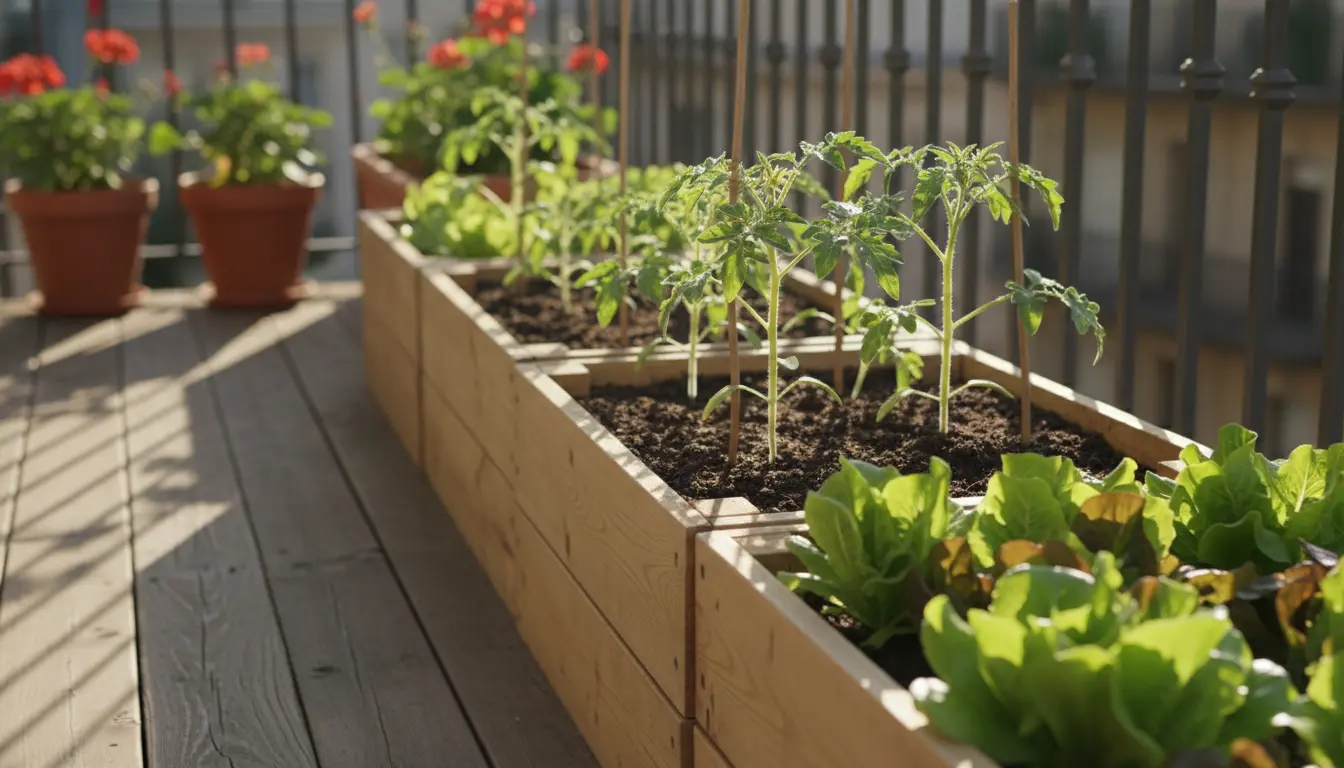
Starting a vegetable garden at home is a small project with big rewards. This guide gives clear, practical steps you can use whether you have a backyard, balcony, or just a few pots.
Home Vegetable Gardening for Beginners: Choose Where to Grow
Pick a spot that gets at least 6 hours of direct sunlight daily for most vegetables. Sun is the single most important factor for productive plants.
If you lack ground space, use containers, raised beds, or window boxes. Containers should have good drainage and hold at least 5 gallons for larger vegetables.
Site checklist for beginner gardens
- Sun exposure: 6–8 hours preferred
- Access to water nearby
- Good drainage and airflow
- Space for rotation and maintenance
Plan What to Plant in Home Vegetable Gardening for Beginners
Start with easy, fast-growing crops to build confidence. Choose varieties labeled “easy” or “for containers” when buying seeds or seedlings.
Good beginner vegetables include tomatoes, lettuce, radishes, green beans, and herbs like basil and parsley.
Simple planting plan example
- Small space: 2 tomato plants, 2 lettuce heads, 2 herb pots
- Medium space: 3–4 tomato plants, a row of beans, a bed of carrots
- Large backyard: rotate 3 beds seasonally with brassicas, nightshades, and legumes
Soil and Containers for Home Vegetable Gardening for Beginners
Vegetables need fertile, well-draining soil. If using the ground, mix in compost and a balanced organic fertilizer before planting.
For containers use a high-quality potting mix with compost. Avoid garden soil in pots because it compacts and drains poorly.
Soil mix recipe for containers
- 40% quality potting mix
- 40% compost
- 20% perlite or coarse sand for drainage
Watering and Feeding Tips
Consistent moisture is key. Water deeply and less often rather than frequent shallow watering. Aim to keep soil evenly moist but not waterlogged.
Use a slow-release organic fertilizer at planting, then side-dress with compost or liquid feed every 3–4 weeks during the growing season.
Quick watering schedule
- Young seedlings: check daily; keep soil moist
- Mature vegetables: water 2–3 times weekly depending on weather
- Container plants: may need daily watering in hot weather
Raised beds warm faster in spring and can extend your growing season by allowing earlier planting. They also improve drainage and soil structure for better yields.
Pest and Disease Management for Home Vegetable Gardening for Beginners
Observe plants regularly to spot problems early. Most issues are manageable with simple cultural controls like good spacing, crop rotation, and removing affected leaves.
Use barriers, hand-picking, and organic controls such as insecticidal soap or neem for common pests. Encourage beneficial insects by planting flowers like marigolds or nasturtiums.
Basic pest checklist
- Aphids: spray with water or insecticidal soap
- Slugs: use beer traps, diatomaceous earth, or hand-pick at night
- Fungal diseases: improve air flow and avoid wetting leaves
Simple Planting Calendar for Beginners
Follow a basic calendar based on your local last frost date. Cool-season crops like lettuce and radishes can go in before the last frost. Warm-season crops like tomatoes and peppers wait until after frost risk passes.
Use successive sowing for continuous harvests: sow small amounts of lettuce or radishes every 2–3 weeks.
Harvesting and Storage
Harvest regularly to encourage more production. For example, pick lettuce outer leaves when they reach usable size and let the center continue to grow.
Store harvests properly: leafy greens in moist towels, root vegetables in cool dark places, and tomatoes at room temperature for best flavor.
Case Study: Small Balcony Success
Maria had a 6-foot balcony and wanted fresh salad greens. She used two 10-inch deep trough planters and focused on container varieties.
By planting two heads of lettuce, two basil pots, and a cherry tomato in a large container, she harvested weekly greens and had enough basil for cooking. She reported higher yields when she fed weekly with a dilute organic liquid fertilizer and removed yellowing leaves promptly.
Quick Troubleshooting Guide for Beginners
- Yellow leaves: check watering and soil nutrients
- Poor flowering: ensure full sun and feed for phosphorus
- Wilting: check for root rot or underwatering
Home vegetable gardening for beginners is about starting small, learning by doing, and adjusting each season. With basic planning, good soil, and consistent care you can produce fresh vegetables even in limited space.
Try one raised bed or a few containers this season, keep notes on what works, and expand gradually. Growing food at home is a practical skill that improves with repeatable, simple steps.