
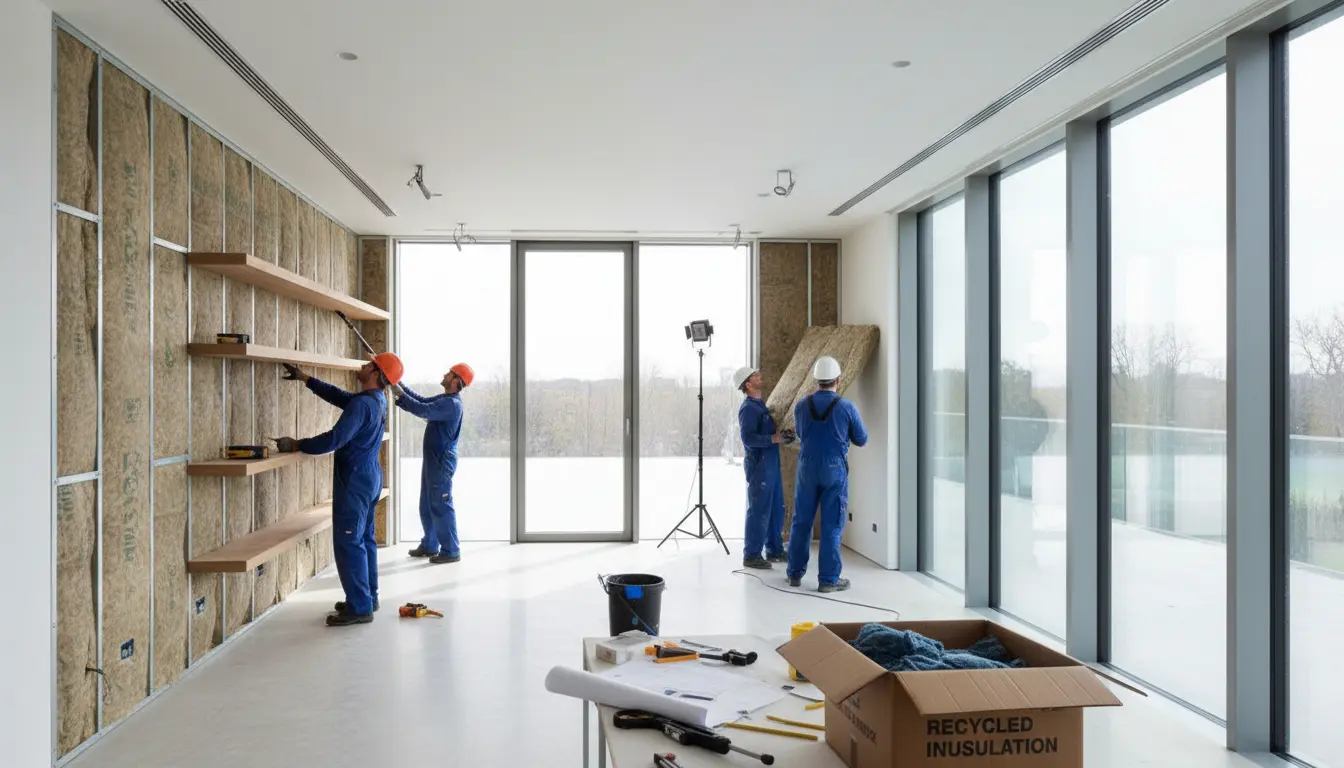
Upgrading your home for energy efficiency reduces bills, improves comfort, and can increase property value. This guide explains practical home energy efficiency upgrades you can plan, with clear steps, cost ranges, and expected savings.
Top Home Energy Efficiency Upgrades to Consider
Start with high-impact, cost-effective upgrades. These typically return the most savings in the shortest time.
- Insulation and air sealing
- Efficient heating and cooling (HVAC)
- Window and door upgrades
- LED lighting and smart controls
- Water heating improvements
Insulation Upgrades: A Core Home Energy Efficiency Upgrade

Insulation slows heat transfer and keeps indoor temperatures stable. Focus on attic, walls, and basements.
Key actions:
- Add attic insulation to reach recommended R-values for your climate.
- Seal gaps around plumbing, vents, and wiring to reduce drafts.
- Insulate accessible rim joists and ducts in unconditioned spaces.
HVAC Improvements as Home Energy Efficiency Upgrades
Heating and cooling account for a large share of energy use. Upgrading or tuning HVAC systems improves efficiency.
- Replace old furnaces or air conditioners with ENERGY STAR models.
- Install a programmable or smart thermostat to reduce wasted runtime.
- Schedule annual maintenance and change filters regularly.
Window and Door Upgrades for Energy Savings

Windows and doors influence comfort and energy loss. Prioritize sealing and selective replacement.
When to Repair vs Replace
Repair and weatherstripping often solve drafts at low cost. Replace only when frames, glass, or seals are beyond repair.
- Low-E glass and double-pane units reduce heat transfer.
- Proper installation prevents thermal bridging and air leaks.
Low-Cost Home Energy Efficiency Upgrades You Can Do Now
Not all upgrades require major investment. Simple changes can yield immediate savings.
- Swap incandescent bulbs for LEDs.
- Use smart power strips and unplug phantom loads.
- Lower your water heater temperature to 120°F (49°C).
- Install faucet aerators and low-flow showerheads.
Estimating Costs and Return on Investment for Home Energy Efficiency Upgrades

Budgeting helps set priorities. Typical cost ranges and simple ROI tips are below.
- Attic insulation: $1,000 to $3,000 depending on size.
- HVAC replacement: $4,000 to $12,000 depending on system and home.
- Window replacement: $300 to $1,000 per window installed.
- LED lighting swap: $50 to $300 total for a full home conversion.
Estimate annual energy savings and divide total cost by annual savings to get simple payback years.
How to Prioritize Home Energy Efficiency Upgrades
Follow a practical sequence to maximize savings and comfort.
- Conduct a home energy audit (professional or DIY blower door tests and thermal imaging).
- Seal air leaks and add insulation.
- Upgrade heating and cooling equipment if older than 15 years.
- Improve windows, water heating, and lighting last.
Case Study: The Martins Energy Remodel
The Martins, a family in a 2,000 sq ft suburban home, wanted lower energy bills. They followed the recommended upgrade sequence.
- Cost: $6,800 total (attic insulation $1,800; air sealing $700; new heat pump $3,800; LED swap $500).
- Outcome: Yearly energy spending fell by $900, a 25% reduction.
- Payback: Simple payback ~7.5 years; higher if local incentives applied.
The Martins also increased comfort and noticed fewer cold spots in winter.
Practical Tips Before You Start Home Energy Efficiency Upgrades
Follow these steps to avoid common mistakes and maximize benefits.
- Get multiple quotes for major work and check contractor credentials.
- Look for local rebates, tax credits, and utility incentives to reduce upfront costs.
- Prioritize air sealing and insulation before replacing HVAC equipment.
- Document baseline energy use with bills or a smart meter to measure improvements.
Final Checklist for Home Energy Efficiency Upgrades
Use this checklist as you plan projects over months or years.
- Perform or schedule an energy audit
- Seal leaks and add insulation where needed
- Plan HVAC improvements based on system age and audit findings
- Upgrade lighting and water heating next
- Apply for incentives and track actual savings
Making thoughtful home energy efficiency upgrades reduces bills, improves comfort, and can increase home value. Start small with low-cost measures and build toward larger investments once you understand your home’s needs.