
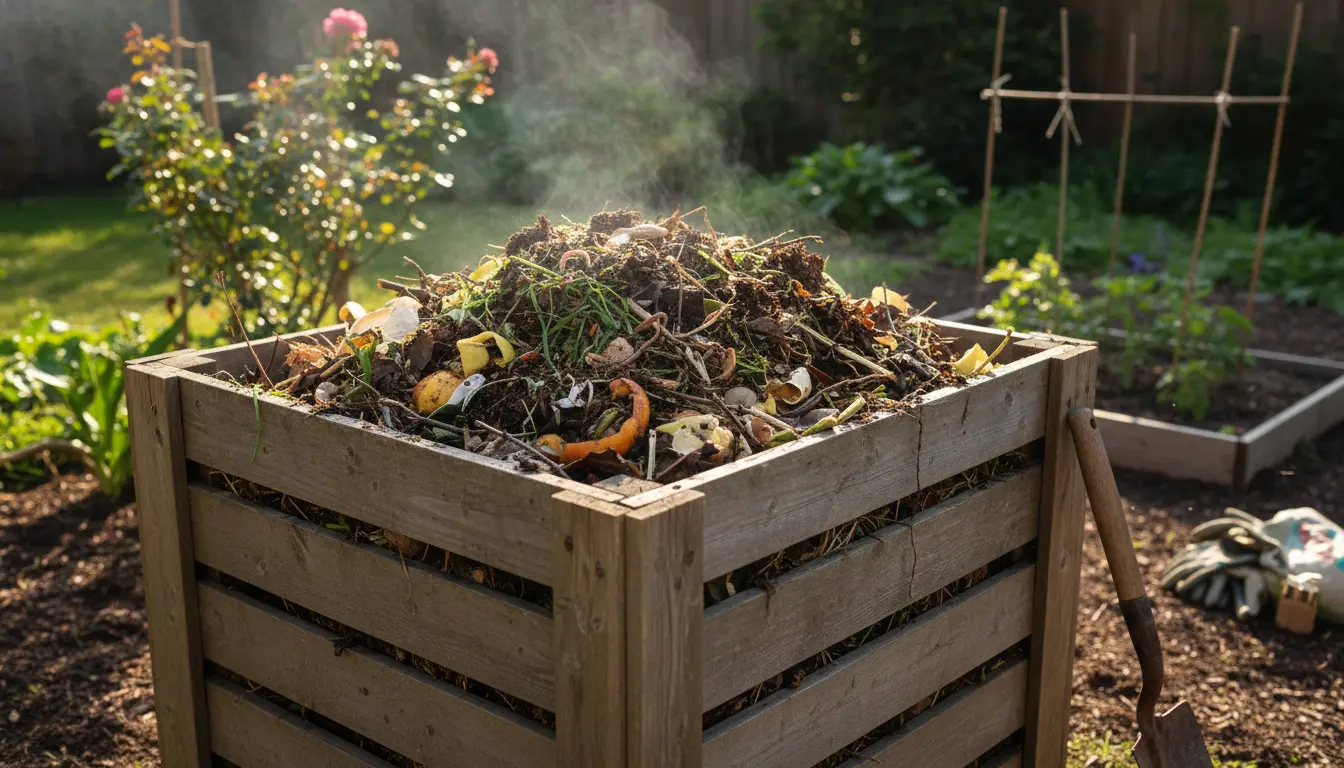
Home composting turns kitchen scraps and yard trimmings into valuable soil material. This guide explains practical steps to start and maintain a compost bin so you can reduce waste and improve garden soil.
Why Home Composting Matters
Composting reduces the amount of organic waste sent to landfills and cuts methane emissions. It also returns nutrients to your soil, improving plant health and water retention.
Home composting is accessible for apartments, suburban yards, and rural properties. The key is matching the method to your available space and routine.
Getting Started with Home Composting
Starting composting requires three basic things: a bin or system, a balance of materials, and simple maintenance. Choose an approach that fits your lifestyle.
Choose a Compost System
Select a system based on space, budget, and effort level. Common options include:
- Open pile: Low cost, needs space, simple to turn with a pitchfork.
- Enclosed bin: Keeps pests out and looks tidy, good for yards.
- Tumbling composter: Speeds mixing and reduces effort, ideal for small yards.
- Bokashi or worm bin (vermicompost): Works indoors or in small spaces for kitchen scraps.
Prepare the Compost Location

Place your bin in partial shade on well-draining ground. Good airflow and some contact with soil help microbes and worms enter the pile.
Line the bottom with coarse material like straw or small branches to improve drainage and aeration.
What to Compost and What to Avoid
Understanding what to add to your compost keeps the process efficient and odor-free. Aim for a mix of carbon rich and nitrogen rich materials.
Accepted Materials
- Green (nitrogen): fruit and vegetable scraps, coffee grounds, grass clippings, fresh plant trimmings.
- Brown (carbon): dried leaves, straw, shredded paper, cardboard, wood chips.
- Small amounts of yard waste and non-oily kitchen scraps.
Materials to Avoid
- Meat, fish, dairy, and oily foods that attract pests and create odors.
- Diseased plant material, invasive weeds with seeds, and treated wood.
- Pet feces from carnivores and large amounts of glossy paper or plastics.
Maintaining Your Home Composting System
Regular maintenance keeps compost active. Follow a few simple habits to produce usable compost in months rather than years.
Key Maintenance Steps
- Turn or mix the pile weekly or biweekly to add oxygen.
- Keep moisture like a wrung-out sponge; add water if dry, add browns if too wet.
- Layer greens and browns when adding new material to maintain balance.
Temperature monitoring helps too. A hot pile (130 to 160 F) breaks down material faster and kills some weed seeds. Cold piles still compost but take longer.
Troubleshooting Common Problems
Most compost issues have simple fixes. Troubleshoot by checking three things: moisture, aeration, and material mix.
- Bad smell: Add brown material, turn pile, and reduce wet kitchen waste.
- Pile too dry: Add water and green materials, then turn to distribute moisture.
- Slow decomposition: Chop materials smaller, add greens, and ensure good airflow.
- Pests: Switch to a closed bin or bury fresh food scraps deeper in the pile.
Composting one ton of organic waste can prevent about 0.5 to 1.0 metric ton of CO2 equivalent greenhouse gas emissions compared with landfill disposal.
Small Real-World Case Study
Case: The Lopez family, suburban homeowners with a small vegetable garden, switched from an open pile to a tumbling composter. With weekly rotation and a balanced green/brown mix, they produced dark compost in six months.
Result: They reduced weekly trash by one kitchen bag and used the compost to boost tomato yields by an estimated 25 percent in the first season.
Quick Home Composting Checklist
- Choose a bin system that fits your space.
- Collect kitchen scraps in a covered container or use a bokashi bucket for apartment living.
- Keep a roughly 2:1 to 3:1 ratio of browns to greens by volume.
- Turn the pile regularly and monitor moisture.
- Use finished compost in garden beds, containers, or as a top dressing for lawns.
Final Tips for Successful Home Composting
Start small and build consistency. Even a simple worm bin or small backyard composter can make a meaningful dent in household waste.
Track the materials you add and adjust the brown to green ratio if your pile is too wet or slow. Over time you will learn the rhythm that works for your home and garden.
If you want a printable guide, copy the checklist and place it near your compost area to make composting part of your weekly routine.