
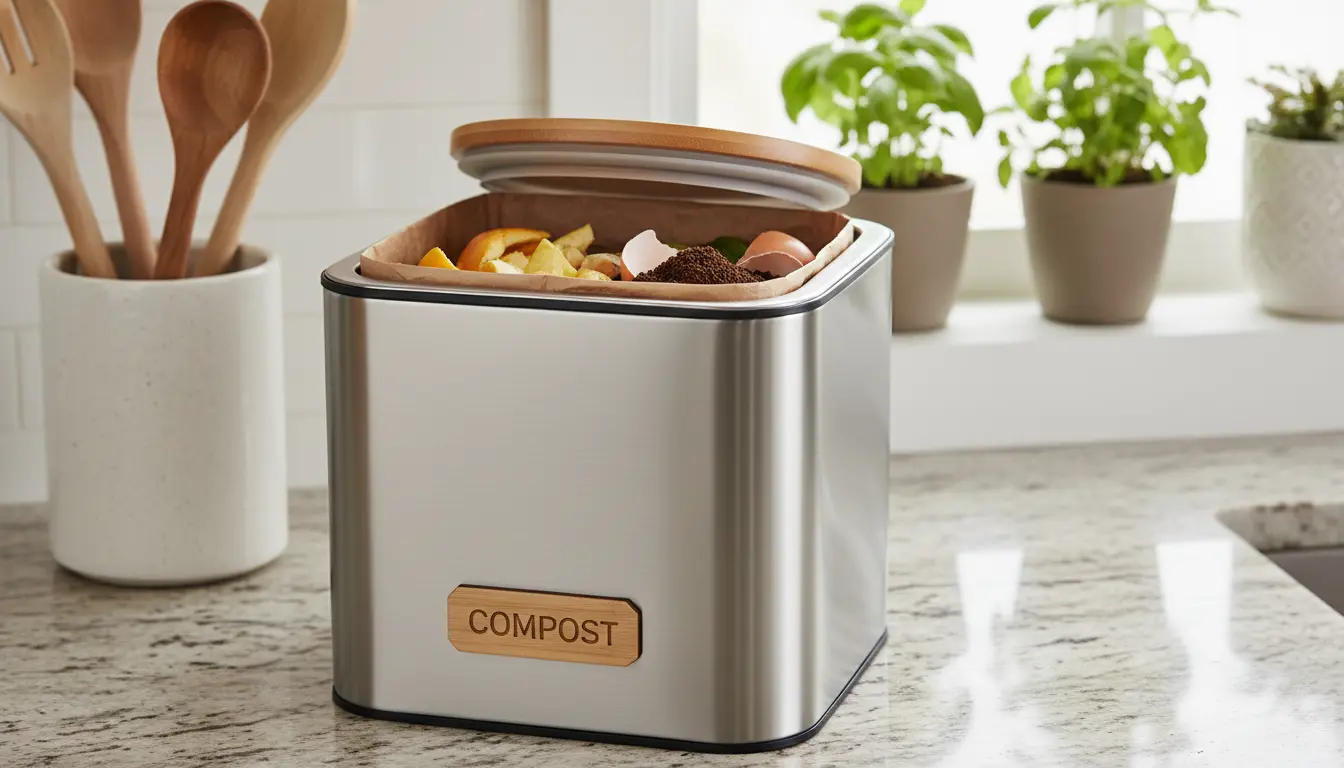
Home Composting Basics
Home composting turns kitchen scraps and yard waste into a useful soil amendment. This guide explains how to start, what materials to use, and how to maintain compost for good results.
Why Use Home Composting
Composting reduces household waste and improves soil structure. It also returns nutrients to your garden and reduces the need for chemical fertilizers.
Getting Started With Home Composting
Choose a method that fits your space and lifestyle. Options include a simple compost pile, a bin, or a worm composter for small indoor spaces.
Choose the Right Location
Place your compost bin on soil or grass so worms and microbes can move in. Aim for partial shade to avoid drying out in hot climates.
Pick a Compost Container
Select a container size based on how much waste you produce. Bins with lids keep pests out, while tumblers speed up turning and mixing.
Materials: What to Compost
Compost needs a mix of carbon rich “browns” and nitrogen rich “greens.” Balance these to maintain microbial activity.
- Greens (nitrogen): fruit and vegetable scraps, coffee grounds, fresh grass clippings.
- Browns (carbon): dry leaves, shredded paper, cardboard, straw.
- Avoid: meat, dairy, oily foods, diseased plants, and pet waste from meat-eating animals.
Quick Mixing Rule
A good starting ratio is about 3 parts browns to 1 part greens by volume. Adjust as needed based on smell and moisture.
How to Build a Compost Pile
Start with a layer of coarse material for airflow. Add alternate layers of greens and browns, keeping layers thin for even decomposition.
- Layer coarse material (twigs) at the base for drainage.
- Add a thin layer of greens followed by a thicker layer of browns.
- Moisten each layer so it feels like a wrung-out sponge.
Turning and Aeration
Turn the pile every 1–2 weeks to add oxygen and speed up decomposition. If using a tumbler, rotate per manufacturer guidance.
Monitoring: Temperature, Moisture, and Smell
A healthy compost will be warm in the center and smell earthy. Monitor moisture and odor to detect problems early.
- Temperature: Active compost often reaches 50–65°C (120–150°F). Cold piles still compost slowly.
- Moisture: Keep compost damp but not soggy. Add water during dry spells and add browns if too wet.
- Smell: A rotten smell means too much green or poor aeration. Turn and add brown material to fix it.
Composting reduces methane emissions from landfills by letting organic material break down aerobically. Even a small home compost bin can make a measurable difference.
Troubleshooting Common Problems
If pests are a problem, use a closed bin and avoid adding meat or oily scraps. For slow decomposition, chop materials finer and increase turning.
Too Wet or Smelly
Add dry brown materials and turn the pile to restore air pockets. Avoid adding large amounts of food waste without balance.
Too Dry or Slow
Moisten the pile and add fresh greens such as vegetable scraps or grass clippings. Covering the bin can help retain moisture.
Harvesting Finished Compost
Compost is ready when it is dark, crumbly, and smells earthy. This usually takes 2–12 months depending on method and maintenance.
Sift the finished compost to remove larger pieces and return them to the pile for further breakdown. Use the fine compost in pots, garden beds, or as a top dressing for lawns.
Small Real-World Case Study
Case study: An apartment household of three started a 50-liter worm composter. They diverted about 2 kg of food waste per week from the bin.
After six months, they produced about 20 liters of worm castings and a liquid fertilizer used for houseplants. Their weekly trash volume dropped by one-third.
Practical Tips for Success
- Keep a small counter caddy to collect daily kitchen scraps and empty it into the outdoor bin often.
- Chop or shred large pieces to speed decomposition.
- Use finished compost in seed starting mixes, garden beds, or to improve potting soil.
- Record what you add and how often you turn to learn what works best for your system.
Home Composting Regulations and Safety
Check local regulations, especially in apartments or community living. Some areas restrict outdoor composting or require specific containment.
Wear gloves when handling compost to avoid contact with sharp objects or contaminants. Keep compost away from eating areas to reduce insect attraction.
Wrap Up
Home composting is a practical way to reduce waste and create valuable soil amendments. Start small, maintain balance, and adjust practices for your local climate and available materials.
With regular attention and the right mix of materials, any household can make compost and support a healthier garden ecosystem.